New projects aim to improve access to one of the country’s most visited destinations
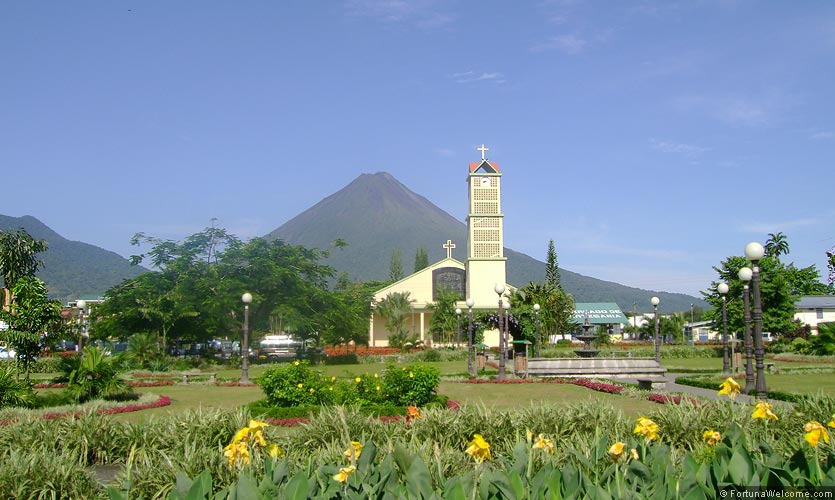
Costa Rica’s Northern Region continues to establish itself as one of the country’s most promising tourism destinations. In June 2026, the government announced several key developments in road infrastructure and air connectivity designed to improve access to destinations such as La Fortuna and Arenal Volcano, two of the nation’s most popular attractions. These initiatives are intended to enhance the region’s competitiveness while improving the experience of both domestic and international visitors.
The resumption of the San Carlos highway project
One of the most significant announcements was the authorization to resume construction on the central section of the San Carlos highway, a long-awaited project that local communities have anticipated for decades.
Upgrading this road will reduce travel times between the Central Valley and the Northern Region, making transportation easier for tourists, residents, and commercial activities. Beyond improving mobility, better road infrastructure is expected to stimulate the local economy by benefiting hotels, restaurants, retailers, and tourism operators.
Private airfields with new opportunities for international tourism
The government also announced plans to promote legislation allowing selected private airfields to receive international executive aviation flights.
The proposal includes the creation of a new category known as tourism airparks, designed to expand access for high-end travelers while encouraging new investments in aviation infrastructure.
If implemented, destinations such as La Fortuna could welcome international visitors arriving on private aircraft without first passing through the country’s main international airports, significantly reducing travel times.
Connectivity as a cornerstone of tourism development
Transportation infrastructure plays a crucial role in the competitiveness of any tourism destination. According to the Costa Rican Tourism Board (ICT), strengthening transportation networks and expanding air connectivity remain strategic priorities to support international tourism growth and reinforce Costa Rica’s reputation as one of Latin America’s leading nature destinations.
Improved accessibility not only facilitates visitor arrivals but also helps distribute tourism more evenly across the country, supporting more balanced regional development.
The Northern Region: one of Costa Rica’s leading tourism destinations
The Northern Region is home to some of Costa Rica’s most iconic attractions, including Arenal Volcano National Park, natural hot springs, biological reserves, waterfalls, and a wide variety of adventure activities.
Its diverse tourism offerings attract visitors throughout the year, making the region an important source of employment and economic development for local communities.
The ICT notes that Costa Rica continues to experience steady growth in international tourism thanks to its extraordinary biodiversity, extensive protected areas, and long-standing commitment to sustainable tourism.
Infrastructure and sustainability: maintaining the right balance
While these infrastructure projects represent valuable economic opportunities, experts emphasize the importance of combining development with responsible land-use planning and sustainable practices.
Modern tourism infrastructure should balance economic growth with environmental conservation and the well-being of local communities, in line with Costa Rica’s national tourism development strategy.
A long-term vision for regional development
The announced projects reflect the government’s commitment to strengthening the country’s tourism infrastructure through improved highways, expanded air connectivity, and increased investment opportunities.
If successfully implemented, these initiatives could further establish the Northern Region as one of Costa Rica’s premier tourism hubs while supporting local economies and enhancing the country’s international competitiveness.
Official and reference sources
- Costa Rican Tourism Board (ICT)
- Ministry of Public Works and Transport (MOPT)
- Office of the Comptroller General of the Republic of Costa Rica
- National Tourism Strategy 2026-2035
- UN Tourism (World Tourism Organization)