September is one of the most Costa Rican months of the calendar. The entire country celebrates its independence while nature experiences one of its most intense moments of the year. Here is an organized overview in several parts, with the sources for each piece of information so you can verify them before publishing.
1. Patriotic Celebrations: the Month of the Homeland
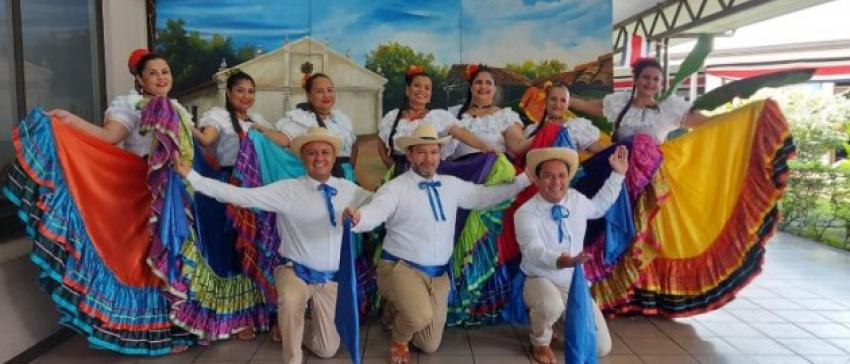
All of September is known as the Month of the Homeland, commemorating Costa Rica’s independence from Spain, declared on September 15, 1821.
The three key days, with events that are repeated every year following the same pattern (the exact times for 2026 should be confirmed closer to the date):
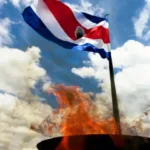
- September 13 — Reception of the Independence Torch. Peñas Blancas, border with Nicaragua. A Costa Rican authority receives the torch from their Nicaraguan counterpart in a ceremony that begins at 9:00 a.m.; between 9:40 and 10:00 a.m., the flame enters Costa Rican territory. From there, students carry it on foot across the country.
- September 14, evening — Lantern Parade. In towns and cities throughout the country. Children and adults walk carrying handmade lanterns.
- September 15 — Patriotic Parade. In San José, the route runs from Parque de la Democracia to Teatro Melico Salazar; at the same time, each canton organizes its own parade with marching bands, cimarrona bands and students wearing traditional costumes.
2. Humpback Whales: Peak Season in the South Pacific
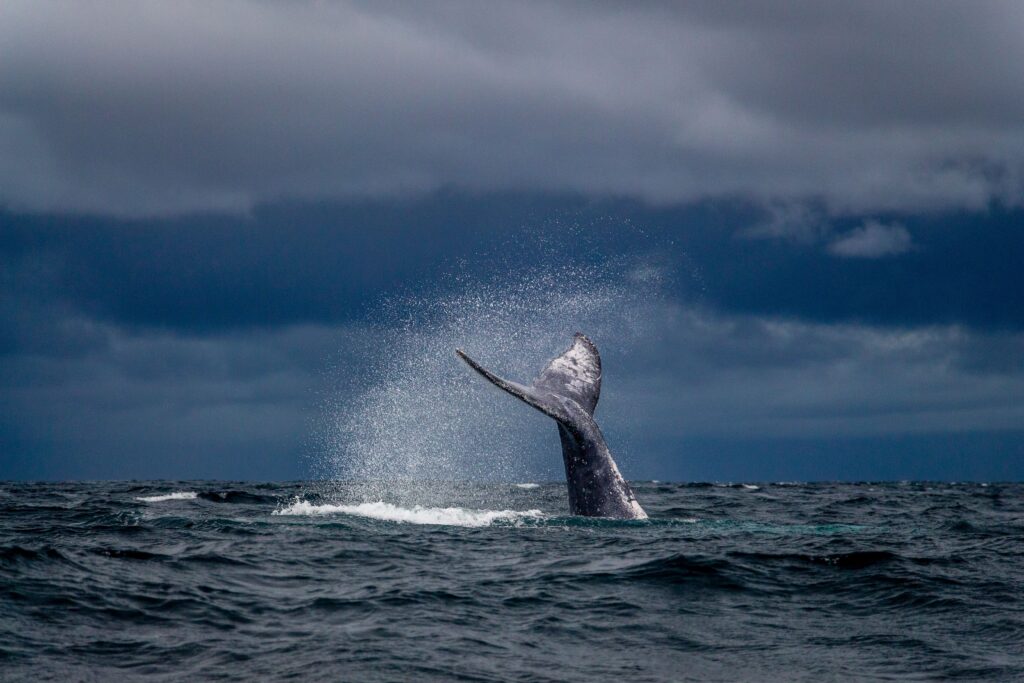
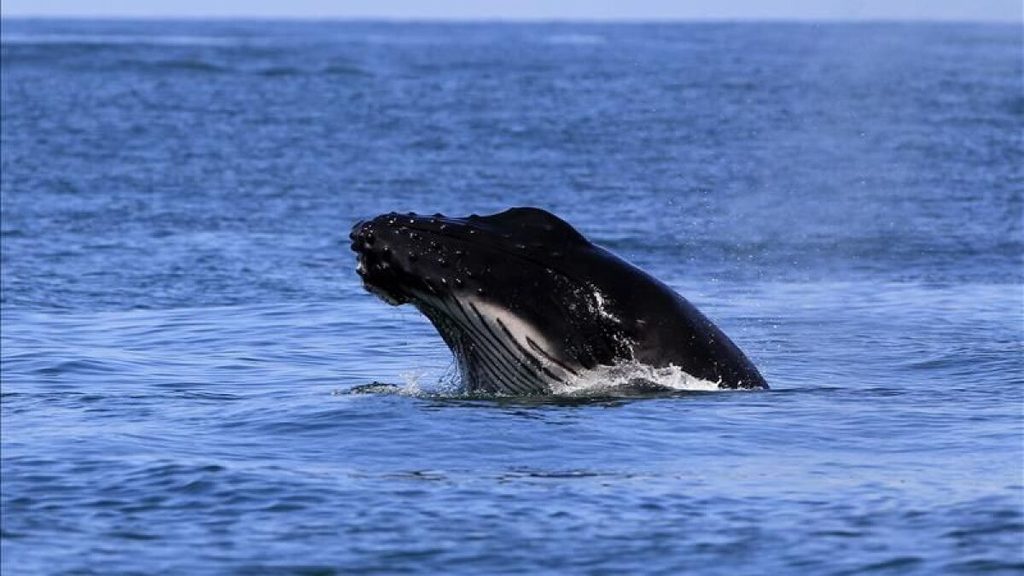
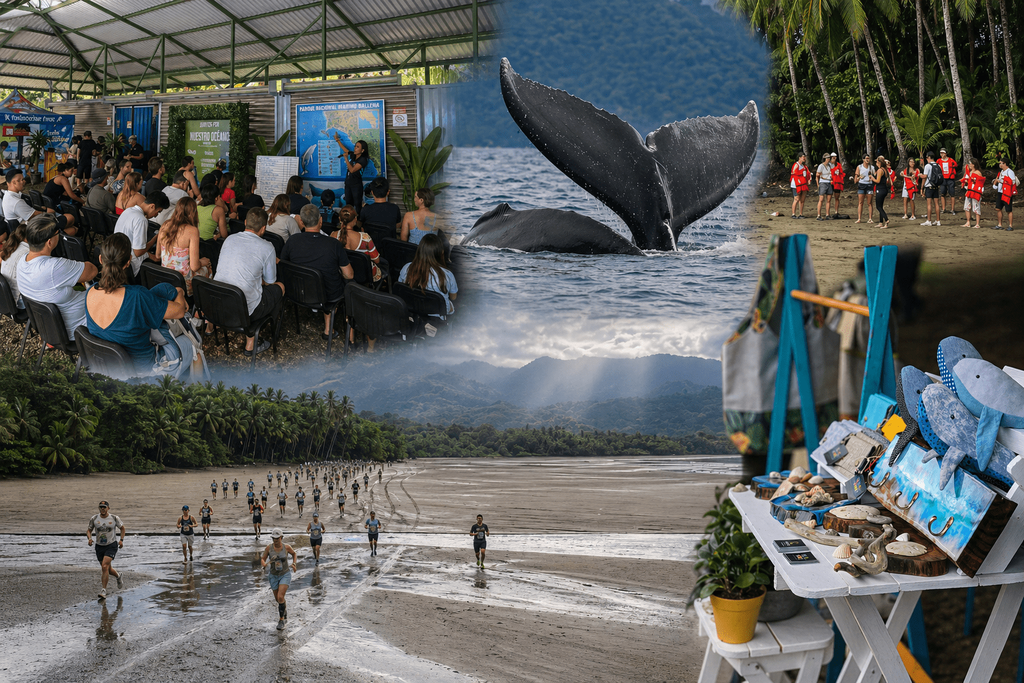
September is right in the middle of the peak season for southern-hemisphere humpback whales in Costa Rica. The whales migrate from Antarctica and South America to the Costa Rican Pacific to give birth and nurse their young. July, August and September are the months with the highest probability of sightings (over 90% according to local operators), especially around Uvita and Marino Ballena National Park.
The Bahía Ballena/Uvita community organizes a Whale Festival every year.
3. Sea Turtles: Nesting in Full Swing
- Green turtle, Tortuguero (Caribbean): nests mainly from July to October, with a peak between August and September. Hatchlings can usually be seen between September and December, making September one of the few months when nesting and births coincide.
- Hawksbill turtle, Caribbean coast (Cahuita National Park): nests mainly in September and October.
- Olive ridley turtle, Playa Ostional (Pacific): mass arribadas are concentrated particularly in August and September.
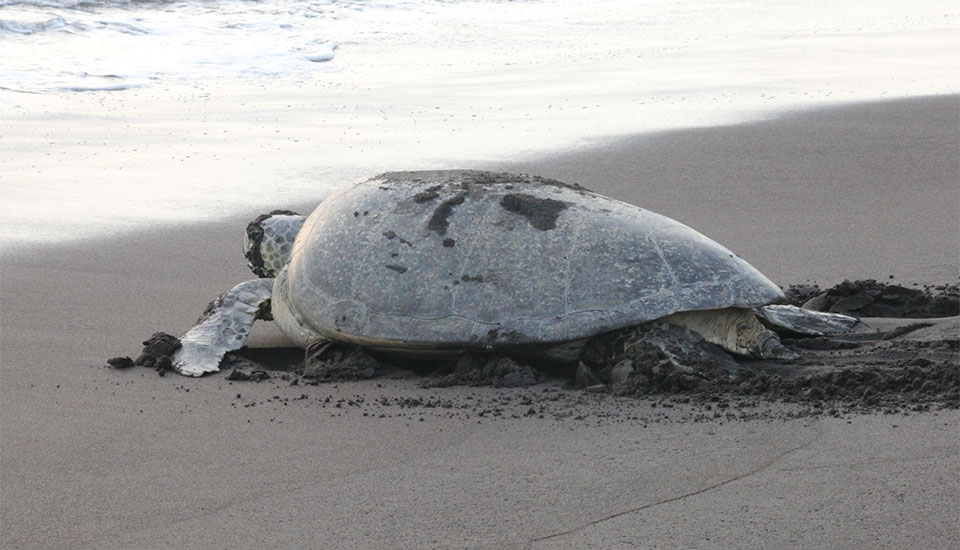
Night walks in Tortuguero are guided and regulated by law; they are organized every night during the season, rather than on a single date.
4. Other Events
- “Sei6 Cu4rtos” concert — Sunday, September 6, 2026, from 5:00 p.m. to 6:30 p.m., National Theatre of Costa Rica, San José. In-person event.

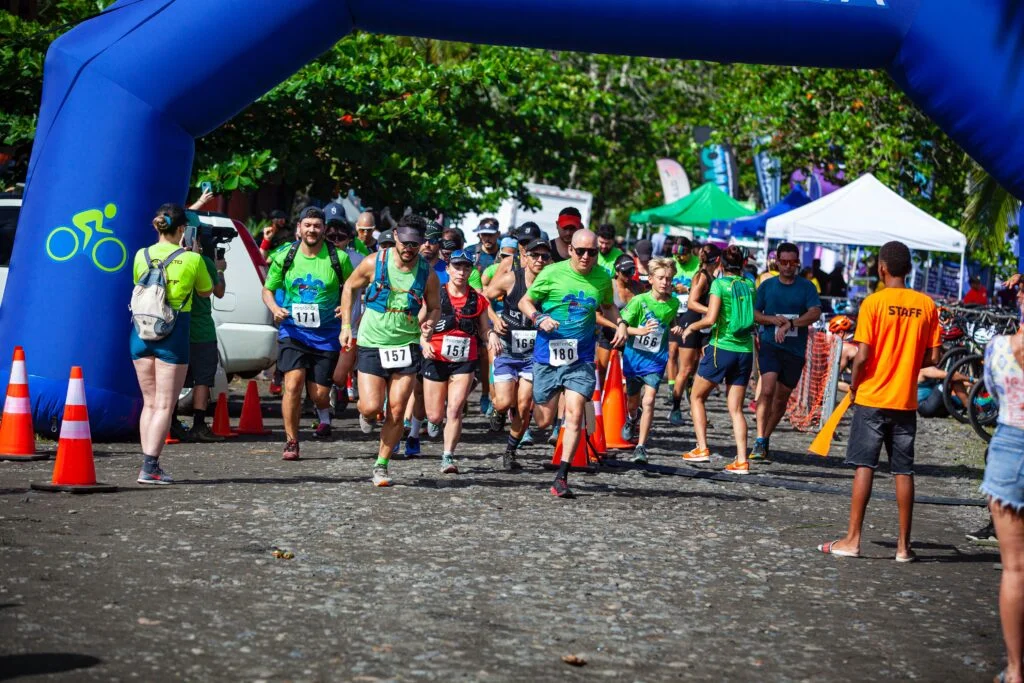
- Caribe Green Fest returns to Manzanillo for its 18th edition
- TINI comes to Parque Viva with her FUTTTURA World Tour

5. Weather and Surfing
September is in the heart of the green (rainy) season, which runs from May to November:
- Heavy rainfall in the Central Valley and the Pacific, especially after midday.
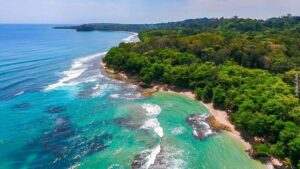
- The Caribbean coast tends to have more clear days during this period.
- Rural and mountain roads can become muddy; some coastal businesses on the Pacific close during the low season.
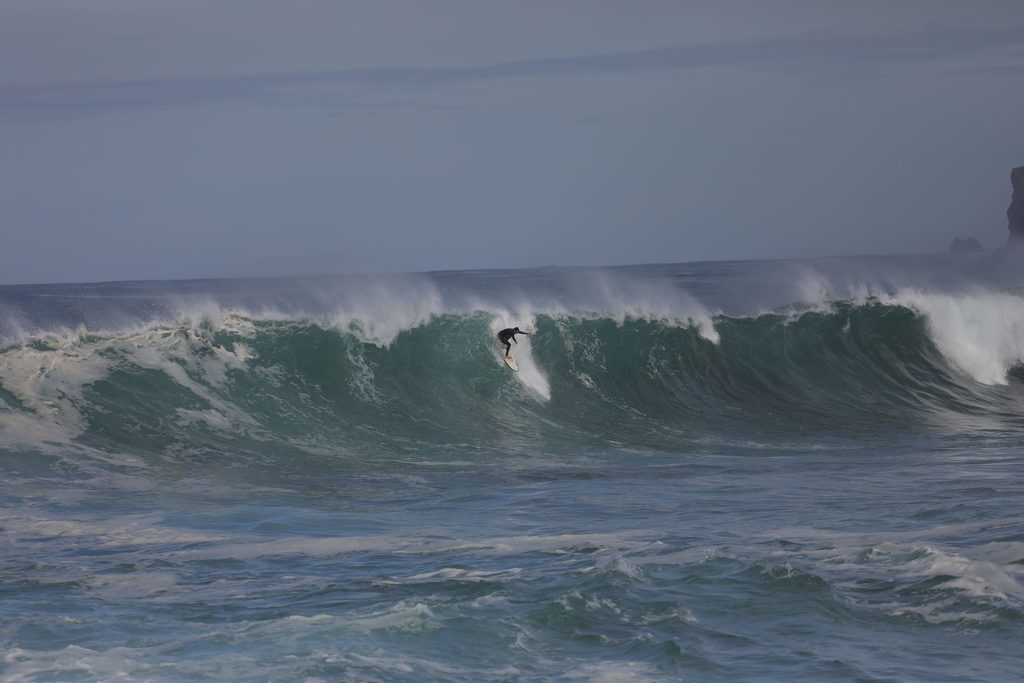
The rainy season also brings stronger waves to the Pacific: Dominical and Pavones — one of the spots with the longest left-hand waves in the world — attract more experienced surfers during this period.