A new step toward understanding the lives of sea turtles
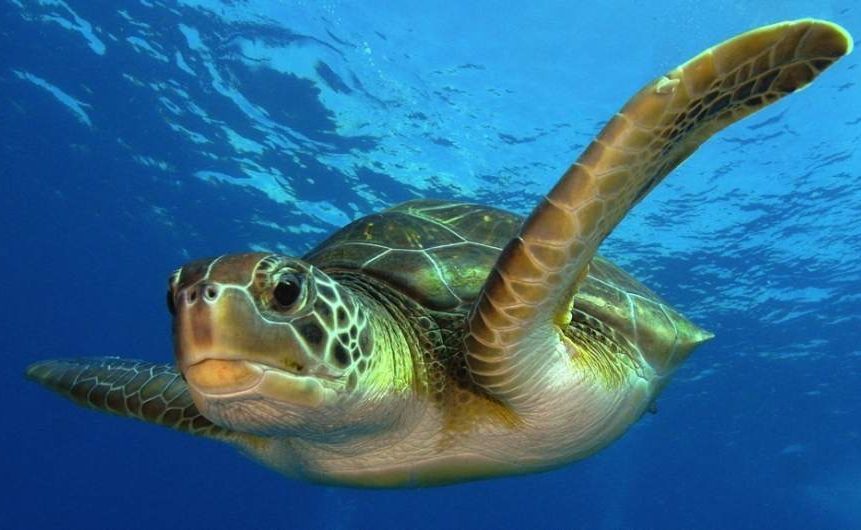
A loggerhead sea turtle (Caretta caretta) hatched in 2025 on El Puig Beach, in Spain’s Valencian Community, was recently released into the Mediterranean Sea equipped with a satellite transmitter that will allow scientists to monitor its movements over the coming months.
The initiative is part of a conservation program aimed at expanding knowledge about the species’ movements, behavior, and feeding grounds while providing valuable information to strengthen its long-term protection.
An iconic species of the world’s oceans
The loggerhead sea turtle is one of the seven species of sea turtles found worldwide and inhabits temperate and tropical oceans. In the Mediterranean Sea, it is one of the region’s most emblematic marine reptiles, although it faces numerous human-related threats.
Among its greatest challenges are accidental capture in fishing gear, marine pollution, the loss of nesting beaches, plastic waste in the ocean, and the impacts of climate change on coastal ecosystems.
According to the International Union for Conservation of Nature (IUCN), the loggerhead sea turtle is classified as a Vulnerable species globally.
Satellite tracking advances scientific knowledge
The transmitter attached to the turtle’s shell will record information about its location, speed, and migration routes without interfering with its natural behavior.
These tracking devices help researchers answer important questions about the species, including:
- The migration routes used by juvenile turtles
- Their preferred feeding areas
- The habitats that are most important for their survival
- The threats they encounter during their journeys
The information collected will help guide future conservation strategies and improve the protection of marine ecosystems.
Protecting nesting beaches is becoming increasingly important
In recent years, researchers have documented an increase in loggerhead turtle nests along several beaches in the western Mediterranean. Scientists believe this trend may be linked, among other factors, to rising sea temperatures and changes in nesting distribution associated with climate change.
This makes the protection of nesting beaches increasingly important by reducing human disturbance and implementing monitoring programs throughout the nesting season.
Technology serving conservation
Satellite tracking has become an essential tool in sea turtle conservation programs around the world.
This technology allows scientists to better understand turtle migrations and identify areas where they face the greatest risks, including intensive fishing, marine pollution, and heavy maritime traffic.
The information also helps governments and conservation organizations coordinate international protection efforts, since sea turtles regularly travel thousands of kilometers across national boundaries.
A collaborative effort between science and conservation
The release of this young turtle is the result of cooperation among public institutions, research centers, marine wildlife specialists, and conservation organizations.
Projects like this demonstrate the value of combining scientific research, technological innovation, and environmental education to improve the protection of threatened marine species.
A journey that will contribute to future conservation
Although the turtle’s exact route remains unknown, every signal transmitted by its tracking device will help scientists better understand the species’ ecology and support new conservation actions throughout the Mediterranean.
Each monitored individual provides valuable knowledge that benefits not only loggerhead sea turtles but also the marine ecosystems on which countless other species depend.
Official sources consulted
- International Union for Conservation of Nature (IUCN)
- Convention on the Conservation of Migratory Species of Wild Animals (CMS)
- Barcelona Convention for the Protection of the Mediterranean Sea
- Ministry for the Ecological Transition and the Demographic Challenge of Spain (MITECO)
- Oceanogràfic Foundation of Valencia
- Valencian Community Marine Stranding Network