An invasive species continues to reshape Florida’s ecosystems
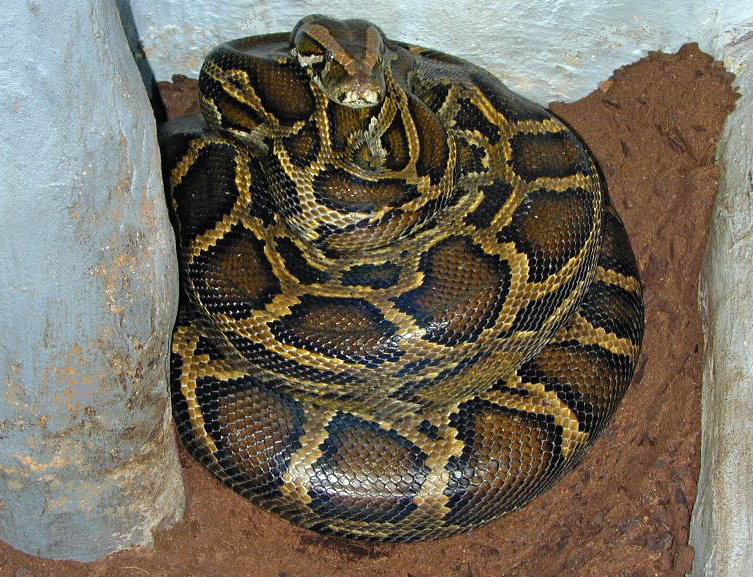
The Burmese python (Python bivittatus) has become one of the greatest threats to biodiversity in Everglades National Park and other natural areas of southern Florida. Originally introduced through the exotic pet trade, these snakes established wild breeding populations several decades ago and have since significantly altered the ecological balance of the region.
Researchers are now expanding control efforts by capturing breeding females and removing their eggs before they hatch. The goal is to slow population growth and reduce the species’ impact on native wildlife.
Why are Burmese pythons an ecological problem?
The Burmese python is one of the largest snake species in the world, capable of growing well over five meters (16 feet) in length. Because it has few natural predators in the Everglades, its population has expanded rapidly.
These snakes are opportunistic predators that feed on a wide variety of animals, including:
- Small and medium-sized mammals
- Waterbirds
- Reptiles
- Amphibians
Numerous scientific studies have documented dramatic declines in several native mammal populations in areas where Burmese pythons have become established, disrupting the natural functioning of the ecosystem.
Egg removal as an effective control strategy
One of the most effective ways to slow the population’s growth is to locate breeding females before their eggs hatch.
A single Burmese python can lay between 30 and more than 80 eggs in one breeding season. Preventing just one nest from hatching can stop dozens of new snakes from entering the ecosystem.
Scientists identify breeding females through monitoring programs and tracking techniques before carefully removing the eggs to prevent further expansion of the invasive population.
Combining science and technology
Managing Burmese pythons requires an ongoing strategy that combines scientific research, field monitoring, and advanced technology.
Current methods include:
- Radio telemetry using transmitters attached to selected snakes
- GPS tracking
- Monitoring during the breeding season
- Authorized professional python removal programs
- Citizen science initiatives encouraging the public to report sightings
These tools help researchers locate breeding individuals more efficiently and improve management efforts.
The Everglades: a globally important ecosystem
Everglades National Park is one of the world’s most significant subtropical wetlands and supports an extraordinary diversity of wildlife.
The ecosystem is home to American crocodiles, alligators, Florida panthers, manatees, wading birds, numerous fish species, reptiles, and amphibians.
The spread of invasive species such as the Burmese python has become one of the greatest conservation challenges facing this internationally recognized natural treasure.
Preventing invasive species remains essential
The Burmese python invasion demonstrates how introduced species can cause major ecological damage once they establish self-sustaining populations outside their native range.
International conservation organizations consider prevention to be the most effective strategy against biological invasions because invasive species become extremely difficult and costly to eradicate once established.
For this reason, controlling illegal wildlife trade, promoting responsible ownership of exotic animals, and improving early detection remain essential tools for protecting biodiversity.
An ongoing effort to restore ecological balance
Although completely eliminating Burmese pythons from the Everglades remains an enormous challenge, current removal, monitoring, and egg extraction programs are helping reduce their impact on native wildlife.
Every snake removed and every nest prevented from hatching represents another step toward conserving one of North America’s most remarkable ecosystems and demonstrates the important role science plays in managing invasive species.
Official sources consulted
- U.S. National Park Service (Everglades National Park)
- U.S. Geological Survey (USGS)
- Florida Fish and Wildlife Conservation Commission (FWC)
- International Union for Conservation of Nature (IUCN)
- Global Invasive Species Programme (GISP)