An Initiative for Productive Development and Food Security
The Food and Agriculture Organization of the United Nations (FAO), the Ministry of Agriculture and Livestock (MAG), and the Costa Rican Institute of Fisheries and Aquaculture (INCOPESCA) are promoting a project aimed at strengthening artisanal fishing and aquaculture in Costa Rica. The initiative seeks to improve productive capacities, promote sustainable practices, and contribute to food security in coastal and rural communities.
The project is part of national strategies for the development of the fisheries and aquaculture sector, with emphasis on environmental sustainability, social inclusion, and the generation of economic opportunities.
Institutional Coordination and Technical Support
The Food and Agriculture Organization of the United Nations (FAO) provides technical assistance and specialized support in the design and implementation of public policies aimed at the sector. For its part, the Ministry of Agriculture and Livestock (MAG) coordinates actions related to rural and productive development, while the Costa Rican Institute of Fisheries and Aquaculture (INCOPESCA) leads the regulation and management of fishing activities in the country.
According to institutional information, the objective is to strengthen sector governance, improve traceability, optimize productive processes, and promote responsible practices that ensure the sustainability of marine and inland resources.
Focus on Artisanal Fishing and Sustainable Aquaculture
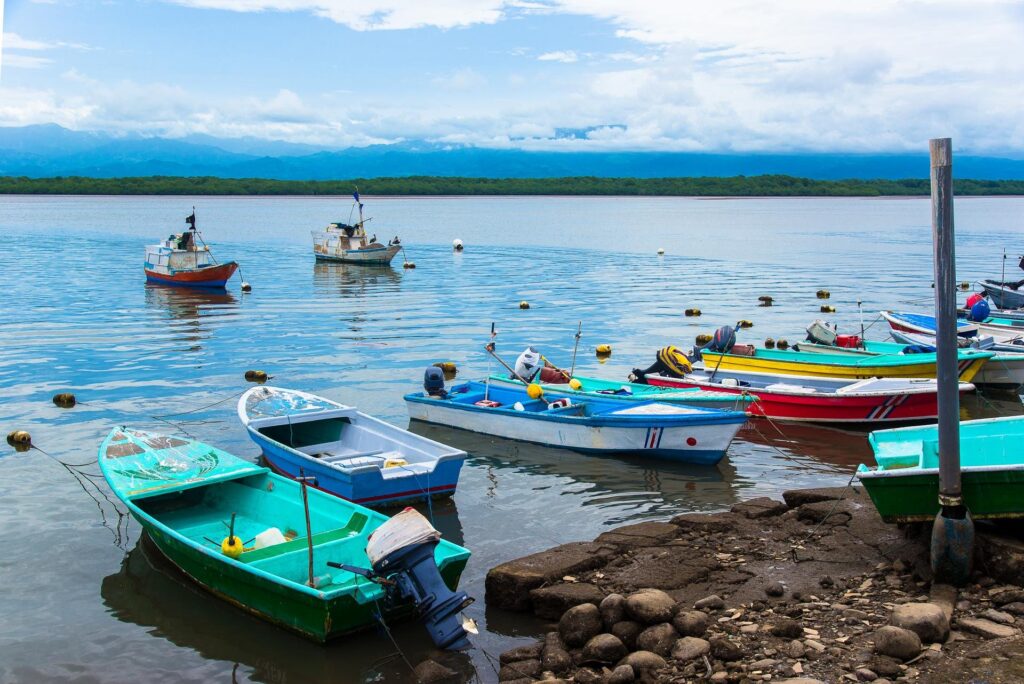
Artisanal fishing represents a source of employment and income for numerous coastal families in Costa Rica. In this context, strengthening the sector includes technical training, access to improved productive tools, and the promotion of associative models that allow for greater competitiveness.
In the field of aquaculture, the strategy includes promoting more efficient and sustainable production systems, aligned with environmental and sanitary standards. These actions contribute to diversifying the food supply and reducing pressure on wild populations.
The Costa Rican Institute of Fisheries and Aquaculture (INCOPESCA) has indicated in its strategic plans the importance of consolidating aquaculture as a complementary activity that strengthens the local economy and domestic supply.
Social Impact and Territorial Development
Strengthening artisanal fishing and aquaculture has direct implications for territorial development, especially in communities highly dependent on marine resources. The project seeks to generate productive linkages, improve incomes, and promote the formalization of economic activities.
The initiative is also aligned with the sustainable development objectives promoted by the Food and Agriculture Organization of the United Nations (FAO), particularly in relation to responsible production, food security, and poverty reduction.
With this interinstitutional coordination, Costa Rica advances in consolidating a fisheries and aquaculture model that combines environmental sustainability, economic development, and social well-being.
Official Sources Consulted
• Food and Agriculture Organization of the United Nations (FAO)
• Ministry of Agriculture and Livestock (MAG)
• Costa Rican Institute of Fisheries and Aquaculture (INCOPESCA)