An international spotlight on Costa Rica’s natural heritage
Costa Rica’s natural wealth is once again receiving international attention. The German edition of National Geographic recently dedicated an 11-page feature to the country under the title Schatzkammer der Natur, which can be translated as “Treasure Trove of Nature.”
The feature presents Costa Rica as a destination where nature plays a central role in the experience of visitors, highlighting biodiversity, wildlife and conservation efforts.
This international recognition comes as Costa Rica’s approach to conservation and sustainable tourism continues to attract attention beyond its borders.
A small country with remarkable biodiversity
One of the reasons for this international interest is the extraordinary diversity of life found within Costa Rica.
According to the National System of Conservation Areas (SINAC), Costa Rica is among the 20 countries with the greatest biodiversity in the world and is home to more than half a million species, representing around 6% of the world’s known biodiversity.
The Costa Rican Tourism Institute (ICT) currently uses a figure of approximately 6.5% of the planet’s biodiversity when presenting the country’s natural attractions.
This concentration of biodiversity is linked, among other factors, to Costa Rica’s geographical location, varied climatic conditions and wide range of ecosystems.
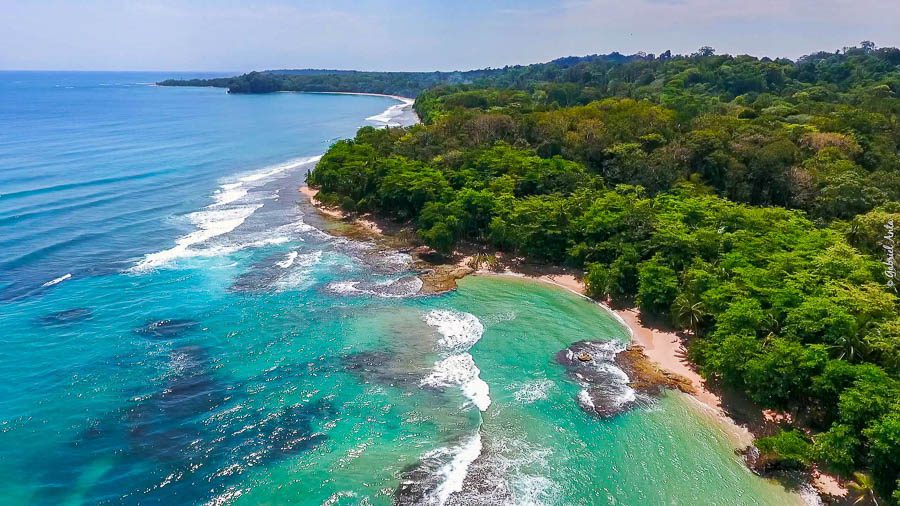
Tropical forests, cloud forests, mangroves, wetlands, volcanoes, beaches and marine ecosystems are all part of this natural heritage.
More than a quarter of the country is protected
Conservation is another factor behind Costa Rica’s international reputation as a nature destination.
According to the ICT’s 2022–2027 National Tourism Plan, protected terrestrial areas account for approximately 26.5% of the country’s territory. The plan also highlights the importance of marine protected areas within Costa Rica’s conservation strategy.
These areas include national parks, wildlife refuges, reserves and other management categories designed to protect ecosystems and species.
The protected-area system also plays an important role in tourism. The ICT identifies protected natural areas as major attractions for the country, with a significant part of Costa Rica’s tourism offering connected to these natural spaces.
Nature at the heart of the tourism model
The connection between conservation and tourism is not new in Costa Rica.
The ICT defines sustainable tourism development around three dimensions: environmental, economic and sociocultural. The goal is for tourism to generate benefits for communities while respecting natural resources and cultural identity.
In recent years, this approach has also expanded among tourism businesses. In February 2026, the ICT recognized 134 companies and organizations for sustainability initiatives, including accommodations, restaurants, tour operators, parks and municipalities.
Costa Rica also has the Certification for Sustainable Tourism (CST), an ICT program designed to promote sustainable practices among tourism-related businesses and organizations.
From national parks to the oceans
Costa Rica’s biodiversity is not limited to its forests.
The country also has significant marine wealth. The National Tourism Plan highlights the importance of marine protected areas as part of Costa Rica’s conservation efforts.
One of the best-known examples is Cocos Island National Park, located in the Pacific Ocean. The island and surrounding waters are home to a remarkable variety of marine species and are internationally recognized for species such as scalloped hammerhead sharks.
On the mainland, national parks such as Corcovado, Manuel Antonio, Tortuguero and Arenal, together with numerous wildlife refuges and reserves, protect a wide range of ecosystems.
Tourism also comes with a responsibility
International interest in Costa Rica’s natural environment represents an opportunity for the tourism sector, but it also presents a challenge: protecting the ecosystems that make these experiences possible.
SINAC and the ICT recommend that visitors inform themselves before visiting a protected area and follow the specific regulations in place. Tourism activities must comply with the management plans and rules established for each protected area.
This includes respecting wildlife, remaining in authorized areas, following the instructions of officials and guides, and avoiding behavior that could disturb ecosystems.
The principle is simple: enjoy nature without turning the visit into a threat to the very environment people have come to experience.
Recognition that goes beyond tourism
The National Geographic feature adds to a series of international recognitions Costa Rica has received for its natural environment and sustainability efforts.
In March 2026, the ICT announced that Costa Rica had been recognized as “Best Nature Destination” at the 2026 Forbes Travel Awards. The institute highlighted the country’s biodiversity and the protection of more than a quarter of its territory among the factors associated with the recognition.
Beyond awards and international publications, these recognitions once again draw attention to an element that has been part of Costa Rica’s identity for decades: protecting its ecosystems as one of the country’s most valuable assets.
The National Geographic feature therefore offers another international perspective on a country where forests, oceans, volcanoes and wildlife are part of everyday life and also an important part of the tourism economy.
For Costa Rica, the challenge is not only to maintain this international reputation, but to continue protecting the ecosystems that make it possible.
Oficial sources:
Sistema Nacional de Áreas de Conservación (SINAC): información oficial sobre biodiversidad y conservación.
Instituto Costarricense de Turismo (ICT): datos sobre biodiversidad, áreas protegidas y turismo de naturaleza.
Programa de Certificación para la Sostenibilidad Turística (CST): información oficial sobre sostenibilidad en empresas turísticas. National Geographic: referencia internacional sobre la biodiversidad y los espacios naturales del país. CRHoy: información sobre el reportaje de 11 páginas publicado en la edición alemana de National Geographic.