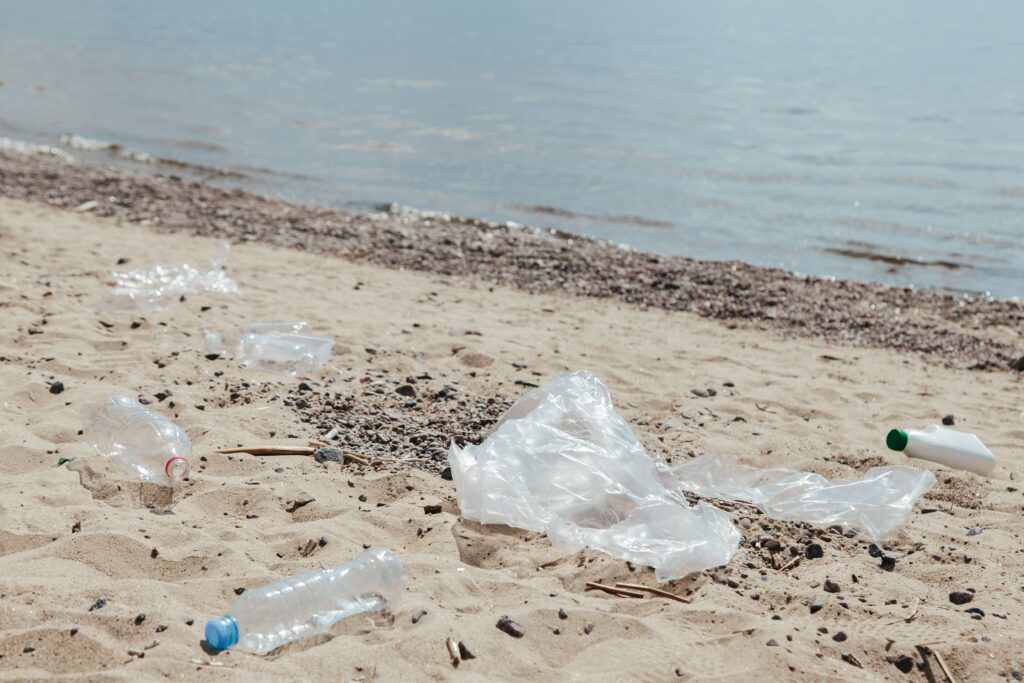
A Growing Environmental Challenge
Microplastics have become one of the most pressing environmental concerns of the 21st century. Recent studies have detected these tiny particles not only on beaches and in marine ecosystems, but also in fish, livestock, and poultry, highlighting the growing spread of plastic contamination throughout different levels of the food chain.
These findings reflect a reality that concerns scientists and environmental organizations worldwide: fragmented plastic waste is now present in virtually every ecosystem, from oceans and rivers to agricultural soils and urban environments.
The situation underscores the need to strengthen waste management strategies, reduce the use of single-use plastics, and expand scientific research into the potential long-term effects of microplastic pollution.
What Are Microplastics?
Microplastics are plastic particles measuring less than five millimeters in diameter. They can originate from the breakdown of larger plastic items or be manufactured directly for use in industrial and commercial products.
Because of their extremely small size, these particles can easily spread through water, air, and soil, reaching even remote ecosystems far from human activity.
Their persistence in the environment represents one of the greatest challenges for biodiversity conservation and natural resource protection.
Presence on Beaches and Coastal Ecosystems
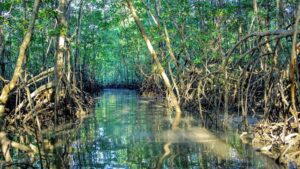
Coastal areas are often among the first places where significant concentrations of microplastics are detected. Ocean currents, rivers, and human activities continuously contribute to the accumulation of these particles on beaches and in mangrove ecosystems.
Studies conducted in different regions of the country indicate that plastic waste continues to reach marine environments despite ongoing cleanup efforts and environmental education programs.
Beyond their visual impact, microplastics can alter sensitive habitats and be ingested by numerous marine species.
From the Ocean to the Food Chain
One of the aspects that most concerns the scientific community is the ability of microplastics to enter the food chain.
Recent research has identified these particles in aquatic organisms, including fish intended for human consumption. They have also been detected in livestock production systems and poultry operations.
Although many of their long-term effects are still being studied, experts agree on the importance of continuous monitoring and a better understanding of how these particles move between ecosystems.
The Role of Scientific Research
Universities, research centers, and international organizations have intensified their efforts to assess the true extent of microplastic contamination.
These studies aim to identify the main sources of pollution, understand dispersion pathways, and evaluate potential impacts on wildlife, ecosystems, and human health.
This information is essential for developing evidence-based public policies and more effective solutions to reduce plastic pollution in the environment.
Actions to Address the Problem
Reducing microplastic pollution requires the combined efforts of governments, businesses, communities, and consumers.
Recommended measures include reducing the use of disposable plastics, strengthening recycling systems, improving waste management, and promoting more sustainable alternatives.
Environmental education programs also play a crucial role in raising awareness about preventing plastic waste from reaching rivers, beaches, and natural ecosystems.
A Global Challenge with Local Consequences
The presence of microplastics in beaches, marine wildlife, and food systems demonstrates that plastic pollution is no longer a problem limited to the oceans.
It is a global phenomenon affecting interconnected ecosystems and requiring coordinated responses at local, national, and international levels.
The results of recent studies reinforce the need to continue promoting conservation initiatives, innovation, and environmental education to protect biodiversity and reduce the environmental footprint of plastic waste in the decades ahead.
Recommended Official Sources
- United Nations Environment Programme (UNEP)
- Ministry of Environment and Energy (MINAE)
- National System of Conservation Areas (SINAC)
- University of Costa Rica (UCR)
- Food and Agriculture Organization of the United Nations (FAO)
- World Health Organization (WHO)