
A judicial decision with environmental and health impact
Costa Rica’s Constitutional Chamber issued a ruling that marks a turning point in the regulation of agrochemicals in the country: it ordered the removal from the market of all insecticides containing fipronil, after confirming their negative impact on bee populations.
The ruling responds to a constitutional appeal filed by beekeepers from Lepanto, in Puntarenas, who reported severe losses in their hives since 2024. According to the data presented, at least 24 native bee colonies were lost and more than 300 hives were severely affected, with population reductions close to 70%.
Scientific evidence supports the ruling
The Constitutional Chamber’s decision was not based solely on complaints, but on a solid body of scientific evidence provided by national technical and academic institutions.
Among the sources analyzed are:
- Reports from the National Animal Health Service (SENASA)
- Results from the National Veterinary Services Laboratory (LANASEVE)
- Studies from the Regional Institute for Studies on Toxic Substances (IRET) of the National University
- Technical assessments from the University of Costa Rica
These analyses confirmed the presence of fipronil in bee samples, even at concentrations exceeding levels considered lethal.
Based on this evidence, the Court concluded that there is a proven impact on bee populations, which constitutes a violation of the constitutional right to a healthy and ecologically balanced environment.
The role of fipronil and its impact on ecosystems
Fipronil is an insecticide widely used in agriculture due to its high effectiveness in eliminating pests. However, this same characteristic makes it highly dangerous for beneficial insects such as bees.
Various studies have shown that this chemical not only eliminates pests but also affects essential pollinators for food production and biodiversity.
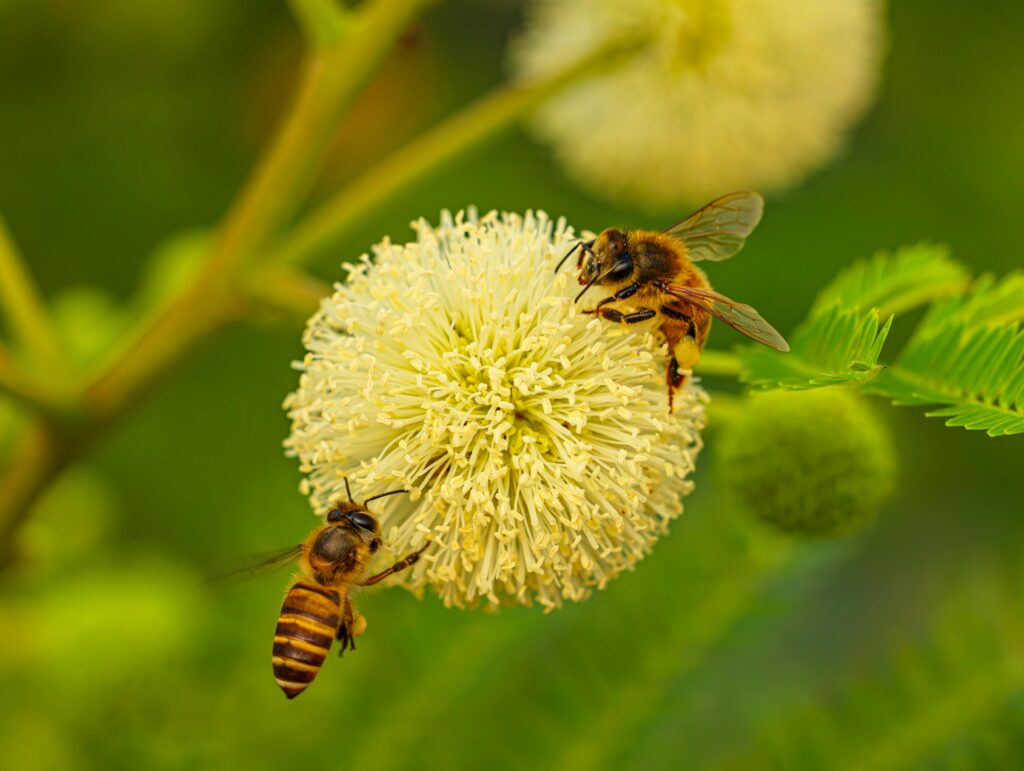
Bees play a critical role in ecosystems: they are responsible for pollinating a large portion of agricultural crops and wild plants. Their decline affects not only agricultural production but also ecological balance and food security.
Gradual implementation of the ban
The Constitutional Chamber’s ruling aligns with a previous executive decree that already established the gradual elimination of fipronil in Costa Rica.
This process includes a transition period of up to two years, during which the importation, commercialization, and use of products containing this component will be progressively reduced. Once this period ends, the ban will be total.
According to the Ministry of Health, this measure aims to balance environmental protection with the adaptation of the productive sector, allowing for a responsible technical transition.
Implications for the country
The decision has important implications on several levels:
- Environmental: strengthens the protection of pollinators and biodiversity
- Health: reduces risks associated with chemical residues in food and water
- Productive: requires a shift toward more sustainable agricultural practices
- Legal: reaffirms the constitutional right to a healthy environment
In addition, the ruling establishes the obligation for authorities to monitor compliance with the measure, as well as possible sanctions in case of non-compliance.
A precedent in Costa Rica’s environmental policy
The ban on fipronil represents a significant step in the country’s environmental policy, consolidating its focus on sustainability and ecosystem protection.
Beyond this specific case, the ruling highlights the importance of science in public decision-making and the active role of citizens in defending the environment.
Costa Rica reinforces with this measure its commitment to biodiversity, public health, and the future of food production.
Sources
- Constitutional Chamber of Costa Rica (Sala IV)
- Ministry of Health of Costa Rica
- National Animal Health Service (SENASA)
- National Veterinary Services Laboratory (LANASEVE)
- Regional Institute for Studies on Toxic Substances (IRET), National University
- University of Costa Rica (UCR)
- Original article published by CRHoy