An investigation seeks to determine whether environmental impacts occurred
The Office of the Comptroller General of the Republic (CGR) has requested a review into the possible existence of construction activities carried out without the required permits within a biological corridor located in Costa Rica’s Southern Region. The decision follows an analysis of information related to interventions in an area considered important for biodiversity conservation.
The review aims to determine whether the developments or activities carried out in the area obtained the necessary environmental, municipal, and technical approvals, as well as to evaluate any potential impacts on local ecosystems.
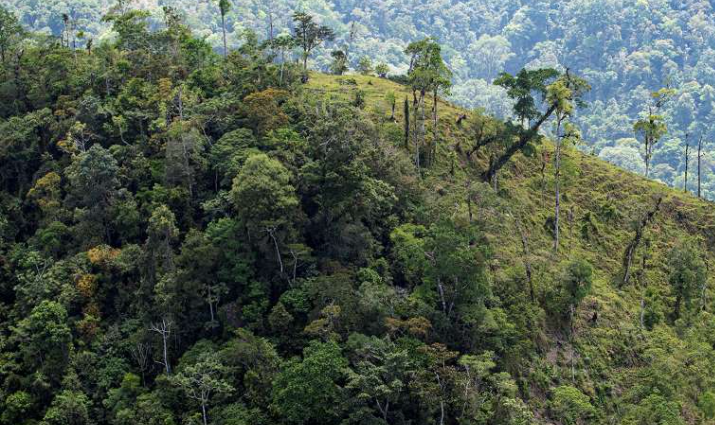
Biological corridors play a crucial role in Costa Rica’s conservation strategy by connecting protected areas and allowing wildlife species to move between different habitats.
The importance of biological corridors for biodiversity
Costa Rica has developed an extensive network of biological corridors designed to maintain ecological connections between forests, national parks, private reserves, and other natural areas.
These territories allow many species to move in search of food, shelter, and breeding areas while reducing the effects of habitat fragmentation caused by human activities.
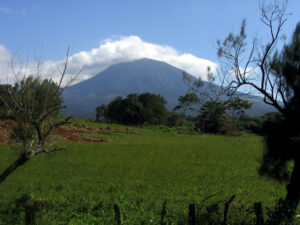
In the Southern Region, these areas are particularly important due to the exceptional biodiversity of the region, which includes tropical forests, mangroves, coastal ecosystems, and mountain environments.
Ecological connectivity is considered a key conservation tool for species such as mammals, birds, amphibians, and reptiles that require large territories to survive.
The review aims to clarify responsibilities
The Comptroller General’s request highlights the need for the institutions responsible for land-use planning and environmental protection to analyze the situation and determine whether established procedures were followed.
The review will examine issues such as construction permits, environmental authorizations, compatibility with territorial planning, and compliance with current regulations.
In Costa Rica, several institutions oversee these processes, including local governments, the Ministry of Environment and Energy (MINAE), the National System of Conservation Areas (SINAC), and the National Environmental Technical Secretariat (SETENA), depending on the type and location of each project.
Environmental protection and development must move forward together
The growth of infrastructure, economic activities, and urban development requires careful planning to avoid negative impacts on strategic ecosystems.
Environmental assessments and permit systems are designed to ensure that projects comply with national legislation while protecting resources such as forests, water sources, and natural corridors used by wildlife.
Costa Rica’s international reputation is strongly linked to biodiversity conservation, making the monitoring and regulation of activities in environmentally sensitive areas an essential part of its sustainability model.
The Southern Region: a key area for conservation
Costa Rica’s Southern Region is recognized as one of the country’s most biologically diverse areas.
Regions such as Osa, Golfo Dulce, and surrounding territories contain some of the nation’s most important ecosystems, including tropical forests with unique species and high levels of endemism.
Beyond their ecological value, these areas are also socially and economically important for local communities involved in nature tourism, sustainable agriculture, and other activities compatible with conservation.
Biological corridors also benefit communities
Beyond protecting wildlife, biological corridors provide important benefits for human populations.
These areas contribute to the protection of water resources, preservation of natural landscapes, climate change adaptation, and the development of economic activities based on responsible resource management.
For this reason, environmental organizations, local communities, and government institutions work together to strengthen the management of these territories.
Institutional follow-up will be essential
The review requested by authorities will provide additional information about possible interventions in the area and determine the appropriate actions according to current regulations.
Monitoring these cases is essential to ensure that development projects respect national conservation objectives and that biological corridors continue fulfilling their ecological role.
Protecting these areas represents a long-term investment in preserving Costa Rica’s natural heritage and promoting a balance between human development and biodiversity conservation.
Official sources consulted
- Office of the Comptroller General of the Republic (CGR).
- Ministry of Environment and Energy (MINAE).
- National System of Conservation Areas (SINAC).
- National Environmental Technical Secretariat (SETENA).
- National Program of Biological Corridors of Costa Rica.