A study examines one of the major threats linked to introduced predators
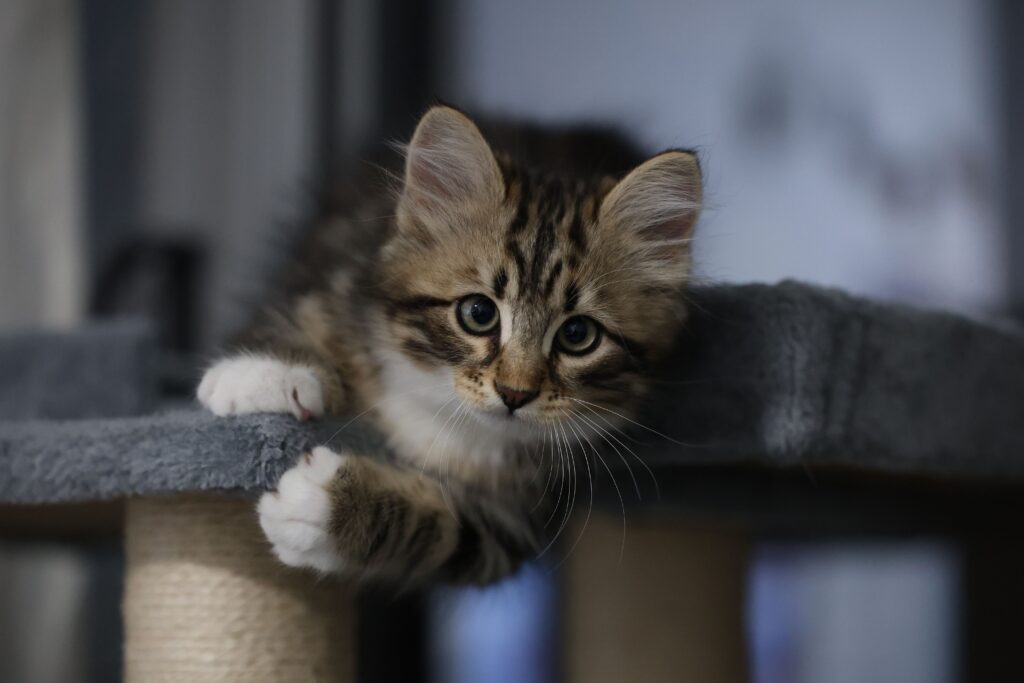
Domestic cats (Felis catus) are part of millions of households around the world and are considered important companion animals. However, numerous scientific studies have shown that when they have uncontrolled access to outdoor environments, they can become predators with a significant impact on biodiversity.
A new analysis of the relationship between domestic cats and wildlife highlights that these animals can affect thousands of species, particularly birds, small mammals, reptiles, and amphibians, due to their natural hunting behavior.
The study has renewed discussions about the need to find a balance between animal welfare and the protection of natural ecosystems.
An efficient predator outside the home
Although domestic cats have lived alongside humans for thousands of years, they still retain many instincts inherited from their wild ancestors.
When they move freely through natural areas or urban environments with vegetation, they may hunt wildlife even when they receive sufficient food at home.
Researchers explain that hunting behavior is not only linked to the need for food but also to natural instincts such as chasing, exploring, and capturing prey.
Groups particularly affected include:
- Small birds.
- Rodents and other mammals.
- Reptiles.
- Amphibians.
- Invertebrates.
An impact that can extend to thousands of species
Scientists warn that uncontrolled outdoor cat populations can have significant consequences, especially in areas with endemic species or fragile ecosystems.
On islands and in regions where wildlife evolved without major terrestrial predators, introduced cats have been associated with declines in certain animal populations.
The concern is greater in areas where species have limited distribution, as even moderate predation pressure can affect the survival of small populations.
The importance of local context
The impact of cats is not the same everywhere.
The effects depend on factors such as:
- The number of cats present.
- The availability of prey.
- The vulnerability of local species.
- The presence of nearby natural habitats.
- Environmental conditions.
In countries with exceptional biodiversity such as Costa Rica, where thousands of bird, reptile, amphibian, and small mammal species exist, interactions between domestic animals and wildlife require special attention.
The challenge of protecting pets and biodiversity
Experts emphasize that the solution is not to blame animals, but to encourage responsible practices among owners.
Conservation programs commonly recommend measures such as:
- Keeping cats indoors whenever possible.
- Providing safe outdoor spaces such as enclosed patios.
- Ensuring identification and veterinary care.
- Spaying and neutering to prevent uncontrolled population growth.
- Preventing access to sensitive natural areas.
These actions help reduce risks to wildlife while maintaining the relationship between people and their companion animals.
A relevant issue for conservation in Costa Rica
Costa Rica is internationally recognized for its biodiversity and its efforts to protect wildlife species.
The country’s ecosystems host a wide variety of birds, small mammals, reptiles, and amphibians that play essential roles in nature.
Protecting this biological richness depends not only on creating protected areas but also on responsibly managing species that live near natural environments.
Coexistence between human communities, domestic animals, and wildlife requires environmental education and public participation.
Toward more responsible coexistence
The study on the impact of domestic cats demonstrates the complexity of relationships between introduced species and ecosystems.
Cats are important animals for many families, but their natural behavior can create consequences when they have unrestricted access to environments where vulnerable species live.
Promoting responsible pet ownership helps protect both domestic animals and the biodiversity that shares our planet.
Science provides tools to find solutions
Research on domestic species and conservation helps improve our understanding of how human activities influence nature.
The goal is not to eliminate relationships with companion animals, but to develop strategies that reduce negative impacts and ensure the protection of wildlife.
Modern conservation seeks precisely this balance: allowing people to enjoy their pets while preserving the ecosystems that support the planet’s biodiversity.
Official sources consulted
- International Union for Conservation of Nature (IUCN)
- Global Invasive Species Programme (GISP and related invasive species initiatives)
- Food and Agriculture Organization of the United Nations (FAO)
- United States Geological Survey (USGS) – research on ecological impacts of introduced species
- Convention on Biological Diversity (CBD)
- National System of Conservation Areas of Costa Rica (SINAC)