A key species returns to its natural habitat
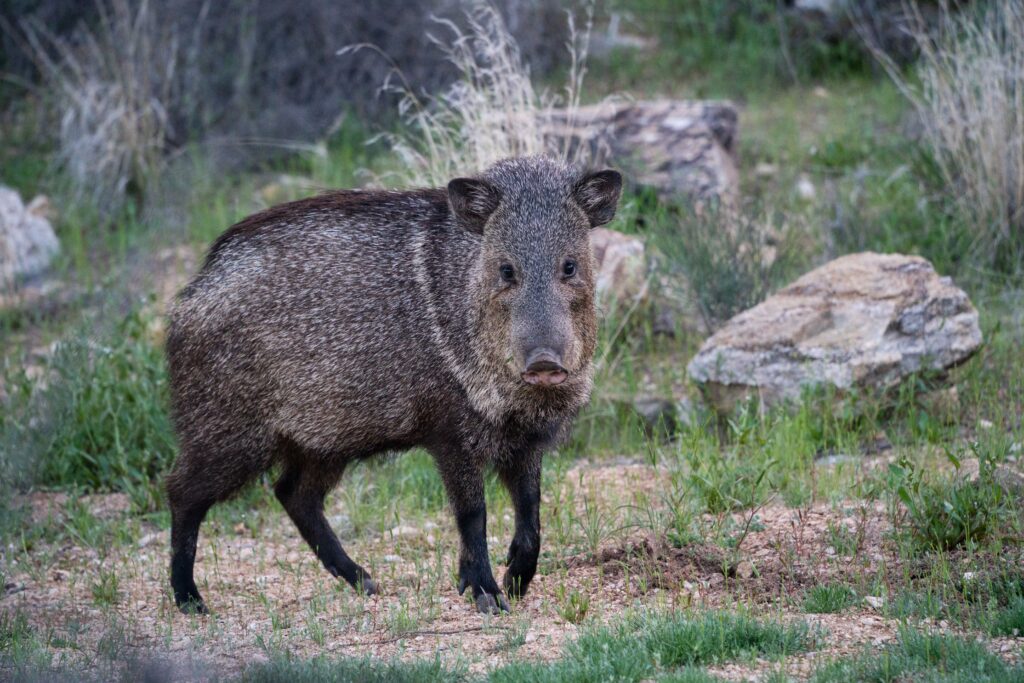
After more than fifteen years of absence, the white-lipped peccary (Tayassu pecari) has been reintroduced into Piedras Blancas National Park, located in southern Costa Rica. The initiative is part of a broader ecological restoration effort aimed at restoring a species considered essential to the health and balance of tropical forests.
The project represents a significant milestone for biodiversity conservation in Costa Rica, as the white-lipped peccary had disappeared locally due to factors such as illegal hunting and the loss of forest connectivity.
An ecosystem engineer
The white-lipped peccary plays a vital ecological role in tropical ecosystems.
As it travels through the forest in large herds, it digs through the soil while searching for food, disperses seeds, and promotes the natural regeneration of many plant species. Its feeding behavior helps maintain forest dynamics and contributes to overall plant diversity.
The species is also an important prey animal for large predators such as the jaguar (Panthera onca), supporting natural food webs and healthy ecosystem functioning.
A science-based conservation project
The reintroduction was made possible through collaboration between public institutions, conservation organizations, wildlife specialists, and rescue centers.
Before being released, the animals underwent veterinary examinations, health screenings, and acclimation processes designed to maximize their chances of survival in the wild.
Scientists will continue monitoring the animals to study their movements, behavior, reproduction, and adaptation to their natural environment.
Why did the species disappear from Piedras Blancas National Park?
Although the white-lipped peccary historically inhabited the forests of Costa Rica’s southern Pacific region, its populations declined dramatically over recent decades.
The main threats include:
- Illegal hunting.
- Habitat loss and fragmentation.
- Reduced biological connectivity.
- Conflicts with human activities.
These pressures led to the species’ local disappearance from several protected areas, including Piedras Blancas National Park.
Restoring one species helps restore the forest
The return of the white-lipped peccary benefits far more than a single species.
Because it strongly influences forest ecology, its presence supports numerous natural processes, including:
- Seed dispersal.
- Forest regeneration.
- Food availability for large carnivores.
- The maintenance of biodiversity.
As a result, its reintroduction is expected to generate ecological benefits that extend to many other plant and animal species.
Piedras Blancas National Park: a biodiversity refuge
Located in the province of Puntarenas, Piedras Blancas National Park is part of the Osa Conservation Area (ACOSA) and protects some of Central America’s richest tropical forests.
The park is home to numerous iconic species, including:
- Jaguar (Panthera onca).
- Puma (Puma concolor).
- Baird’s tapir (Tapirus bairdii).
- Central American spider monkey (Ateles geoffroyi).
- Crested eagle (Morphnus guianensis).
Its connection with surrounding ecosystems makes it an important component of the Mesoamerican Biological Corridor.
Species reintroduction as a conservation tool
Species reintroduction programs aim to restore wildlife populations in areas where they once occurred naturally but have disappeared.
The International Union for Conservation of Nature (IUCN) recognizes these programs as an effective conservation strategy when the original causes of local extinction have been addressed and a scientifically sound management plan is in place.
Long-term success depends on continuous monitoring, effective habitat protection, and the participation of local communities.
A positive step for ecological restoration
The return of the white-lipped peccary demonstrates how cooperation between government institutions, environmental organizations, and wildlife experts can help restore lost ecological processes.
Beyond bringing back a single species, the project represents an important step toward rebuilding the natural functioning of one of Costa Rica’s most valuable ecosystems while reinforcing the country’s long-term commitment to biodiversity conservation.
Official sources consulted
- National System of Conservation Areas (SINAC).
- Ministry of Environment and Energy (MINAE).
- Osa Conservation Area (ACOSA).
- International Union for Conservation of Nature (IUCN).
- IUCN Red List of Threatened Species.
- Convention on Biological Diversity (CBD).