Background and Municipal Council decision
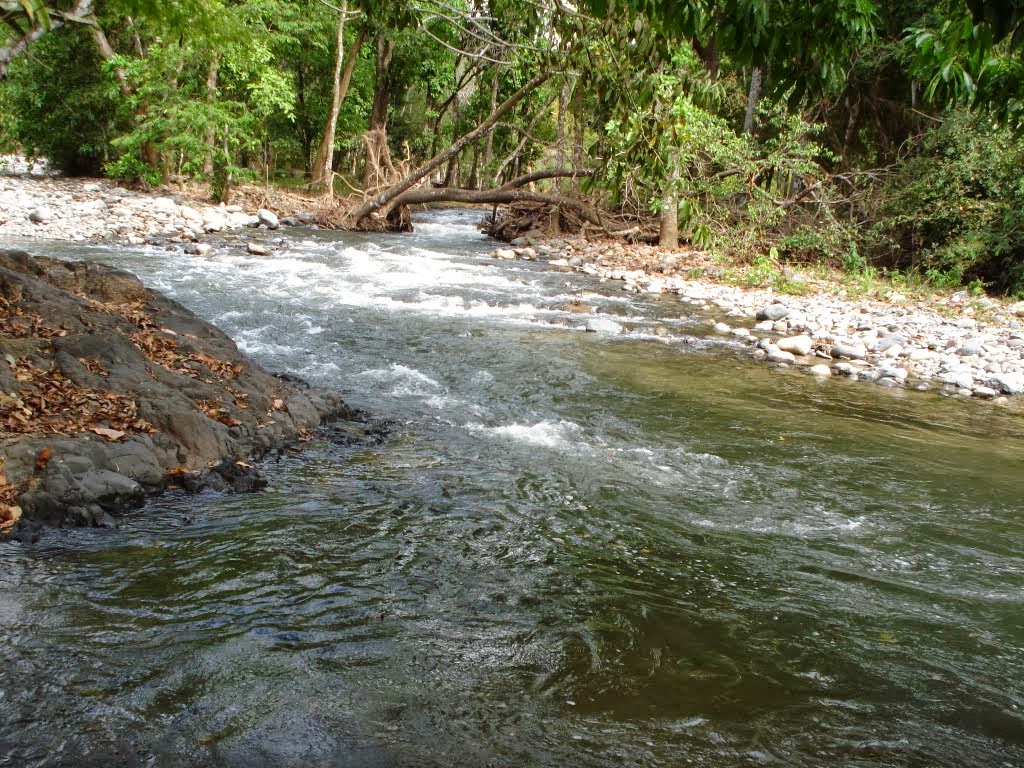
The Municipal Council of Puntarenas unanimously approved a moratorium limiting material extraction activities in the riverbed and banks of the Guacimal River. This initiative follows growing technical and community concerns about the environmental damage caused by these practices, including erosion, habitat degradation, and risks to local infrastructure. The measure reflects an effort to protect water resources and ensure environmental sustainability in the region.
What the moratorium restricts
The moratorium temporarily suspends the issuance of new permits for the extraction of aggregates such as gravel and sand in critical sections of the river, as well as the expansion of existing operations that do not meet updated environmental criteria. The objective is to protect the river channel and its margins, reduce erosion, and mitigate medium- and long-term impacts on water quality and riparian ecosystems.
The agreement also urges national environmental authorities to coordinate technical assessments of the river in order to establish sustainable management criteria based on geomorphology, hydrological dynamics, and ecological priorities.
Environmental impacts of unregulated extraction
Environmental specialists and community organizations have warned that unregulated gravel and sediment extraction can severely affect river ecosystems. Consequences include the loss of natural sediment balance, destruction of aquatic habitats, increased water turbidity, progressive bank degradation, and a higher risk of flooding and overflow during the rainy season.
For nearby communities, the condition of the Guacimal River is directly linked to the safety of public infrastructure, bridges, roads, and private properties.
Community reactions and perspectives
Local residents, environmental groups, and community leaders have supported the municipal decision, considering the moratorium a necessary step to prevent irreversible ecosystem damage. Many emphasize the importance of complementing this measure with ecological restoration plans and long-term monitoring programs.
At the same time, representatives from the extraction sector have highlighted the need for a gradual and organized transition, noting that many families depend economically on this activity. Dialogue initiatives have been proposed to explore sustainable alternatives.
Legal framework and institutional coordination
The moratorium falls within municipal authority over land use regulation, territorial planning, and natural resource protection. It also highlights the need for collaboration with national entities such as MINAE (Ministry of Environment and Energy) and SINAC (National System of Conservation Areas) to ensure alignment with national watershed management and water protection policies.
The importance of local environmental action
This decision in Puntarenas reflects a broader trend of proactive local governance in response to environmental challenges. Actions such as this can serve as a model for other regions facing similar issues related to material extraction and river ecosystem protection.
Official and reference sources
• Delfino.cr — coverage of the Municipal Council’s decision and environmental motivations
• MINAE — national framework for water resource management and environmental regulation
• SINAC — official policies for watershed and ecosystem protection