Initiative Advances to Incorporate Wildlife Crossings into Road Infrastructure
Wildlife conservation could receive a significant boost thanks to the progress of a bill aimed at strengthening the implementation of wildlife crossings in road and transportation infrastructure. The initiative recently cleared a key stage in the Legislative Assembly and is now ready for a final vote. It represents an important effort to address one of the most common challenges facing wildlife populations: habitat fragmentation.
While the expansion of the road network has improved connectivity between communities and regions, it has also created physical barriers that hinder the natural movement of terrestrial and arboreal species. As a result, thousands of animals are killed each year while attempting to cross roads, or become isolated from essential habitats needed for their survival.
What Are Wildlife Crossings?
Wildlife crossings are specially designed structures that allow animals to safely move over or under roads, bridges, and other infrastructure.
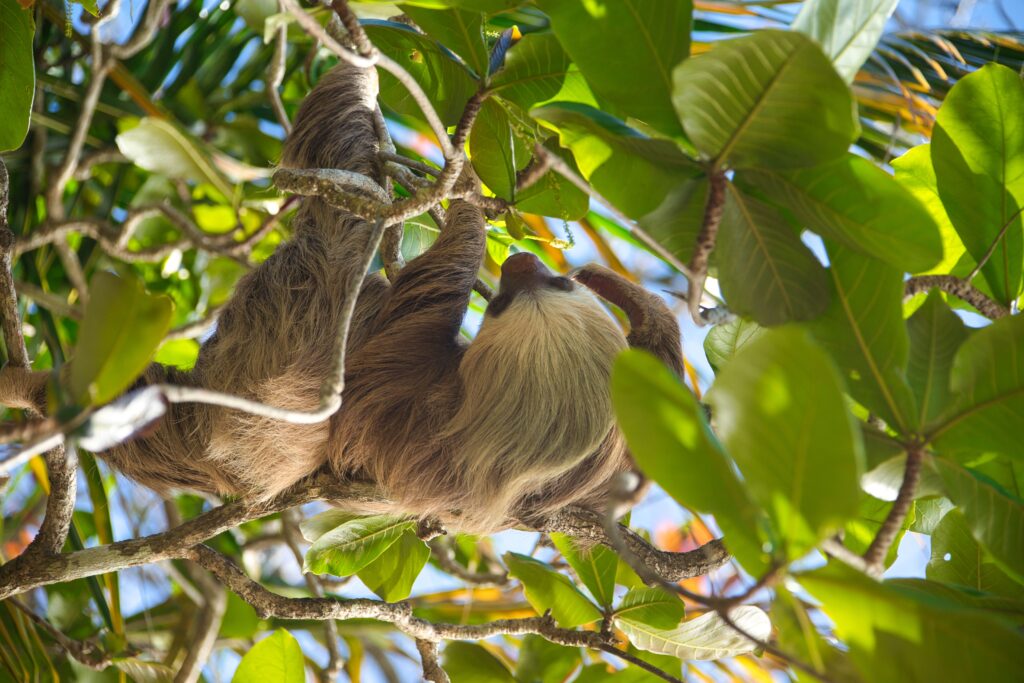
Depending on the environment and the species involved, these crossings can take different forms, including vegetated overpasses, underground tunnels, canopy bridges, and rope systems that help monkeys, sloths, and other tree-dwelling animals move safely between forested areas.
Numerous international studies have shown that these solutions can significantly reduce wildlife-vehicle collisions while improving ecological connectivity between fragmented ecosystems.
A Country Known for Its Biodiversity
Although it covers less than 0.03% of the Earth’s land surface, Costa Rica is home to approximately 6% of the world’s known biodiversity, making it one of the most biologically rich countries per square kilometer.
This extraordinary diversity includes hundreds of species of mammals, reptiles, amphibians, and birds that depend on biological corridors to move between forests, protected areas, and feeding grounds.
Urban expansion and road development remain among the greatest challenges to maintaining this connectivity, which is why conservation specialists have long advocated for measures that balance infrastructure development with wildlife protection.
Infrastructure and Conservation Can Move Forward Together
Integrating environmental criteria into transportation planning has become an international trend. Countries such as Canada, the United States, the Netherlands, and Australia have developed extensive wildlife crossing networks that have produced positive results for both biodiversity conservation and road safety.
Costa Rica already has successful examples of structures designed to facilitate animal movement in different parts of the country. However, experts believe that systematically incorporating these measures into future infrastructure projects would greatly increase their effectiveness.
The proposed legislation seeks to formalize this approach so that wildlife protection is considered from the earliest stages of road design and construction.
Benefits for Wildlife and People
In addition to reducing wildlife mortality, wildlife crossings can help decrease traffic accidents caused by collisions with animals.
This is particularly important near national parks, biological reserves, and ecological corridors, where the movement of medium-sized and large species is common.
International experience demonstrates that well-planned infrastructure can simultaneously benefit environmental conservation, public safety, and economic development.
A Long-Term Vision for Ecological Connectivity
Modern conservation goes beyond protecting individual natural areas. It also involves ensuring that species can move freely between ecosystems in order to reproduce, feed, and maintain healthy populations.
The progress of this initiative reflects a growing trend toward development models that integrate infrastructure and sustainability, recognizing biodiversity conservation as a fundamental component of the country’s future.
If approved, the bill could become an important tool for strengthening ecological connectivity and helping preserve some of Costa Rica’s most iconic wildlife species.
Recommended Official Sources
- National System of Conservation Areas (SINAC)
- Ministry of Environment and Energy (MINAE)
- Legislative Assembly of Costa Rica
- National Biological Corridors Program of Costa Rica
- International Union for Conservation of Nature (IUCN)