Costa Rica closed 2025 with outstanding performance in renewable electricity generation, consolidating its image as one of the world’s leading countries in clean energy. According to official data from Grupo ICE, 98.6% of the electricity produced last year came from renewable sources, despite recent climate challenges.
Electricity Generation in 2025
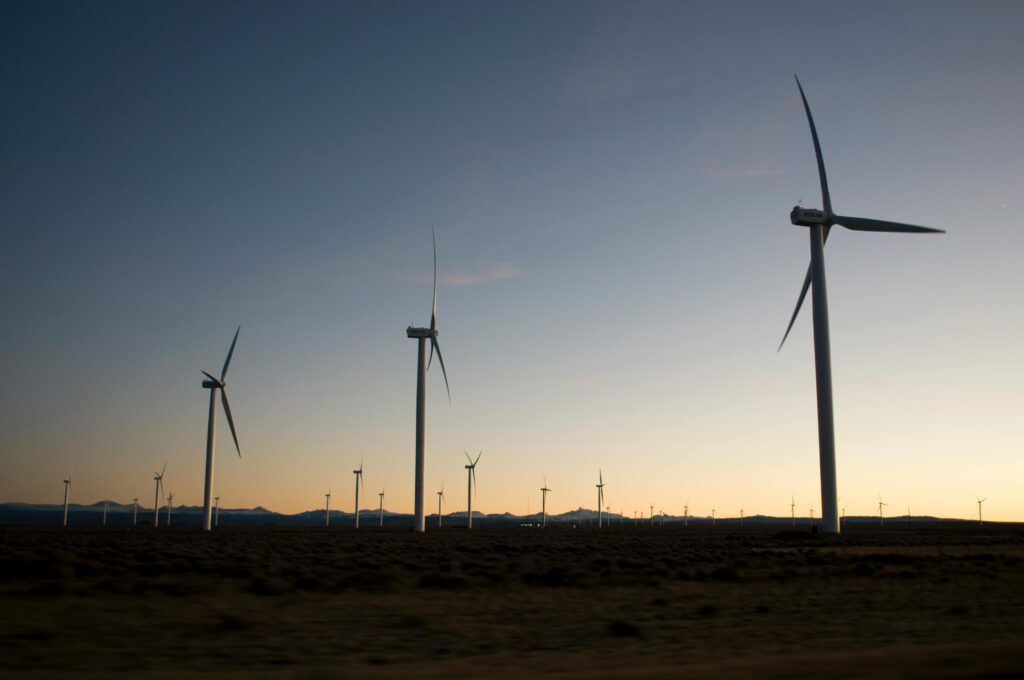
In 2025, Costa Rica generated 98.6% of its electricity from five main renewable sources: water, geothermal, wind, biomass, and sun. Hydroelectricity remained the backbone of the system, complemented by geothermal plants located in volcanic areas, wind farms in high-altitude zones, and a growing contribution from solar energy and biomass. According to Grupo ICE, this matrix allowed the country to cover practically all domestic demand with clean energy, while maintaining supply stability.
Recovery After the El Niño Phenomenon
The 2025 results represent a significant recovery after the impacts of the El Niño phenomenon in 2024, when drought reduced the contribution of hydroelectric reservoirs. During that period, it was necessary to resort temporarily to thermal generation with fossil fuels to guarantee the electricity service. The improvement in hydrological conditions, together with more efficient resource management and coordinated use of the different renewable sources, made it possible to return to historical levels above 95% clean generation.
Importance for the Country’s Sustainability
The high percentage of renewable electricity reinforces Costa Rica’s goals in terms of decarbonization and carbon neutrality. By relying largely on domestic resources such as rivers, winds, and geothermal potential, the country reduces its vulnerability to the volatility of international fossil fuel markets. In addition, the clean electricity matrix is seen as a pillar for boosting sectors such as electric transport and sustainable industry in the coming years.
Projects and Future Plans
Grupo ICE and national energy authorities have announced plans to continue expanding renewable capacity towards 2030, with new geothermal, solar, and wind plants. The goal is to add hundreds of additional megawatts of clean generation, combining ICE-led projects and participation from private generators under state regulation. These investments seek to ensure that the growth in electricity demand, associated with economic development and the electrification of more activities, does not lead to an increase in the use of fossil fuels.
Official Sources
- Costa Rican Electricity Institute (Grupo ICE), press release “Costa Rica produced 98.6% of its electricity from renewable sources in 2025”.
- Grupo ICE, official data on the electricity matrix and planning of new investments in the grid and renewable generation.
- Statements and technical data from Grupo ICE cited by international specialized media on renewable energy.
- Contextual information on Costa Rica’s track record in renewable energy and decarbonization goals in global sector reports.