New rules for breeders and pet businesses come into effect
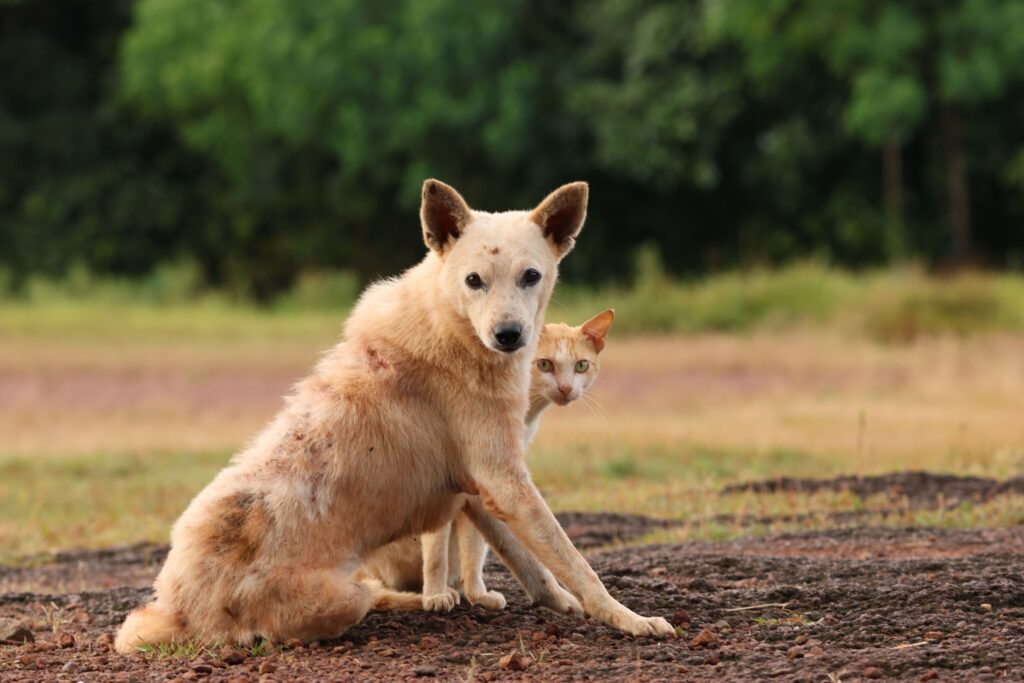
Costa Rica has implemented new regulations establishing stricter requirements for the breeding and commercial sale of dogs and cats. The regulation aims to strengthen animal welfare, ensure better sanitary conditions, and promote responsible pet ownership through controls that must be followed by both breeders and authorized pet sellers. The new provisions are now in force and will be monitored by the competent authorities.
The measure responds to the need to regulate an activity that for many years operated with limited specific oversight, providing greater protection for animals while offering more transparency to people wishing to acquire a pet.
What changes under the new regulation?
The regulation introduces standards covering the entire process of breeding and marketing dogs and cats.
Among the main changes is the requirement that all breeders and businesses engaged in these activities obtain a Veterinary Operating Certificate (CVO) issued by the National Animal Health Service (SENASA). In addition, facilities must comply with minimum standards regarding infrastructure, hygiene, ventilation, lighting, sanitary management, and animal welfare.
The regulation also establishes categories for breeding facilities based on their size, distinguishing between family, small-scale, and commercial breeders, with requirements adapted to each category.
Greater veterinary supervision during breeding
One of the most significant aspects of the new regulation is the mandatory veterinary supervision of breeding activities.
Breeders must ensure that a licensed veterinarian oversees the health of breeding animals, pregnancy, birth, and the development of puppies and kittens. The objective is to prevent intensive breeding practices that could compromise animal welfare and reduce the spread of hereditary or infectious diseases.
The regulation also limits the breeding frequency of females and establishes criteria designed to protect their physical and reproductive health.
Several cosmetic surgeries are now prohibited
Another major change is the prohibition of various cosmetic surgical procedures performed solely for aesthetic purposes.
Procedures such as ear cropping or tail docking, when there is no medical justification, are no longer permitted under the new regulation. These practices have long been criticized by animal welfare organizations because they cause pain and may lead to complications without providing any health benefits for the animals.
Greater guarantees for people wishing to adopt or purchase a pet
The regulation also seeks to provide greater security for future pet owners.
By requiring that only authorized establishments may sell dogs and cats, authorities aim to reduce informal sales, combat illegal breeding operations, and improve animal traceability.
These measures also help reduce abandonment and irresponsible breeding, two of the main challenges affecting companion animal welfare in many countries.
SENASA’s role in animal protection
The National Animal Health Service (SENASA) will be responsible for monitoring compliance with the regulation through inspections, certification procedures, and sanitary control of registered facilities.
The institution will also have the authority to apply administrative measures in cases of non-compliance, helping ensure that the standards established by the regulation are maintained over time.
A step toward more responsible pet ownership
The implementation of these regulations represents an important step forward in protecting companion animals in Costa Rica.
By establishing minimum animal welfare standards, mandatory veterinary oversight, and stricter requirements for the breeding and sale of dogs and cats, the country strengthens its animal protection framework while promoting more responsible practices among breeders and future pet owners alike.
Although the regulation introduces new responsibilities for the sector, it also aims to ensure that pet breeding is carried out according to ethical, sanitary, and animal welfare principles that benefit both animals and society.
Recommended Official Sources
- National Animal Health Service (SENASA)
- Ministry of Agriculture and Livestock (MAG)
- College of Veterinary Professionals of Costa Rica
- Official Gazette (La Gaceta)
- World Organisation for Animal Health (WOAH)