A Massive Community Effort to Protect One of the Planet’s Most Important Natural Areas
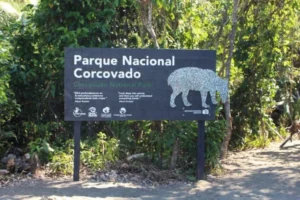
More than 250 volunteers recently took part in a large-scale cleanup operation in Corcovado National Park, one of Costa Rica’s most iconic protected areas and widely recognized by scientists as one of the most biodiverse places on Earth.
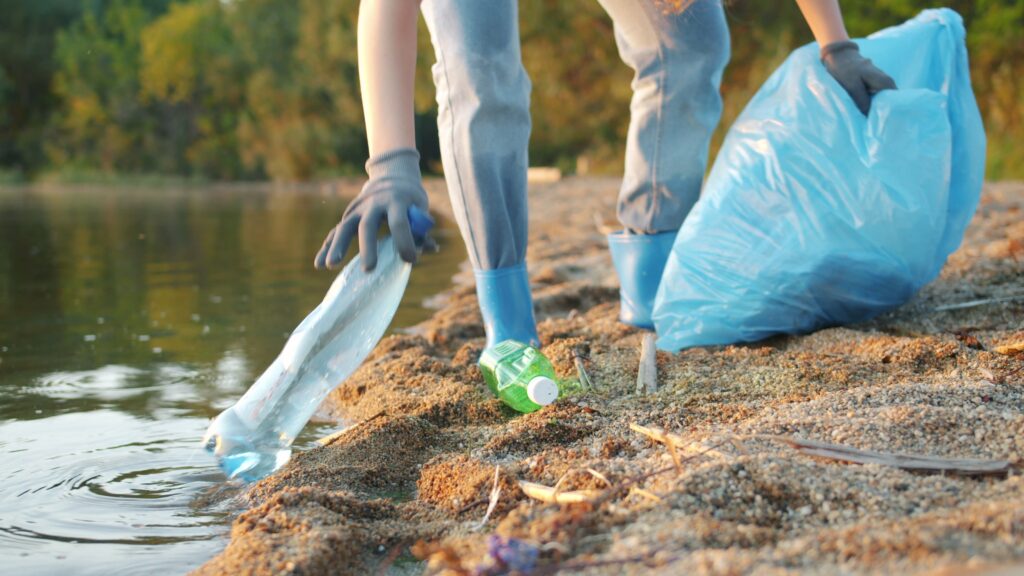
The initiative resulted in the collection of approximately 1.6 tons of solid waste scattered across beaches, trails, and coastal areas of the Osa Peninsula. One of the most striking discoveries was that part of the debris originated from countries located thousands of kilometers away, once again highlighting the global reach of marine pollution.
When Pollution Knows No Borders
Although Corcovado is located within one of Central America’s best-preserved natural regions, ocean currents continuously transport plastic waste and other debris from different parts of the world to its shores.
During various cleanup campaigns conducted in recent years, volunteers have found bottles, containers, and packaging bearing labels from countries in South America, Asia, and even Africa. This situation illustrates how even the most remote ecosystems are not immune to the consequences of global pollution.
Experts explain that many of these items spend months or even years drifting across oceans before eventually washing up on seemingly pristine beaches.
A Natural Sanctuary of Global Importance
Corcovado National Park, managed by the National System of Conservation Areas, protects an extraordinary concentration of biodiversity on the Osa Peninsula.
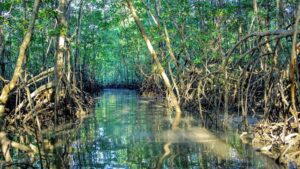
According to official data, the park contains approximately 2.5% of the world’s biodiversity within a relatively small area. Its ecosystems include tropical rainforests, mangroves, rivers, beaches, and critical habitats for hundreds of species of mammals, birds, reptiles, and amphibians.
Its coastline also serves as a nesting site for several sea turtle species and provides essential biological corridors for numerous threatened animals.
The Essential Role of Environmental Volunteers
The cleanup effort was made possible through cooperation between environmental organizations, public institutions, private companies, local communities, and citizens committed to conservation.
Beyond the amount of waste collected, these initiatives play a crucial educational role. They help raise awareness about the impact of poorly managed waste while strengthening the connection between people and the natural spaces that form part of the country’s environmental heritage.
Organizers also emphasized the importance of properly sorting recovered materials to maximize recycling opportunities and reduce the amount of waste sent to landfills.
A Growing Challenge for the World’s Oceans
Plastic pollution has become one of the most serious threats facing marine ecosystems worldwide.
Every year, millions of tons of waste enter the oceans, affecting marine wildlife, altering coastal habitats, and creating risks for countless species. Plastics can break down into smaller particles known as microplastics, which eventually enter food chains and spread throughout ecosystems.
Corcovado’s beaches have become a visible indicator of this global problem, demonstrating how actions carried out in one region of the world can directly impact ecosystems located thousands of kilometers away.
Conservation Requires Ongoing Commitment
Conservation specialists agree that cleanup campaigns are valuable, but they do not represent a permanent solution.
Reducing single-use plastics, strengthening waste management systems, promoting environmental education, and expanding international cooperation remain essential measures for addressing marine pollution over the long term.
Corcovado continues to serve as a global symbol of biodiversity and conservation. However, protecting this extraordinary ecosystem requires sustained efforts involving local communities, governments, organizations, and citizens worldwide.
A Message That Extends Beyond Corcovado
The recent volunteer mobilization demonstrates that environmental protection is not solely the responsibility of government agencies.
Every bottle removed from a beach, every item properly recycled, and every effort to reduce plastic consumption contributes to preserving unique natural spaces for future generations.
The experience in Corcovado reminds us that oceans connect all continents and that today’s environmental challenges require solutions that are equally global.
Recommended Official Sources
- National System of Conservation Areas (SINAC)
- Corcovado National Park – SINAC
- United Nations Costa Rica
- United Nations Environment Programme (UNEP)
- Ministry of Environment and Energy (MINAE)