A New Chapter for One of the Central Pacific’s Most Iconic Destinations
Playa Blanca, located in the canton of Garabito, has once again become the focus of public attention following the recent opening of an access route that improves connectivity to this renowned coastal destination. The measure has sparked a nationwide discussion about beach access, coastal land management, and the need to balance public enjoyment with environmental conservation.
In this context, the Municipality of Garabito announced the organization of cultural and recreational activities in the area, including a public concert. Local authorities have emphasized that all events will be carried out in full compliance with environmental regulations and existing legal frameworks designed to protect the ecosystems present in the area.
Beach Access: A Right Protected by Costa Rican Law
Costa Rican legislation establishes that beaches are public property and that access to them must be guaranteed for all citizens. This principle has been at the center of numerous legal and administrative discussions over the years, particularly in areas where tourism developments are located near the coast.
The recent opening of access to Playa Blanca is linked to judicial decisions and municipal actions aimed at ensuring free passage to the maritime-terrestrial zone. According to information provided by the Municipality of Garabito, the measure seeks to guarantee that everyone can enjoy this natural space without undue restrictions.
Cultural Activities with a Sustainability Focus
Following the reopening of access, the mayor of Garabito announced plans to organize recreational and cultural activities for residents and visitors. However, the proposal also raised concerns regarding the potential environmental impact that large gatherings could have on a coastal area of significant ecological value.
In response to these concerns, municipal authorities stated that any activity will be conducted in accordance with applicable environmental regulations and technical criteria designed to minimize impacts on biodiversity and natural habitats.
The local government also acknowledged that the current access route requires additional assessments to determine its capacity to safely accommodate visitors and vehicles while protecting the surrounding environment.
A Beach Celebrated for Its Natural Beauty
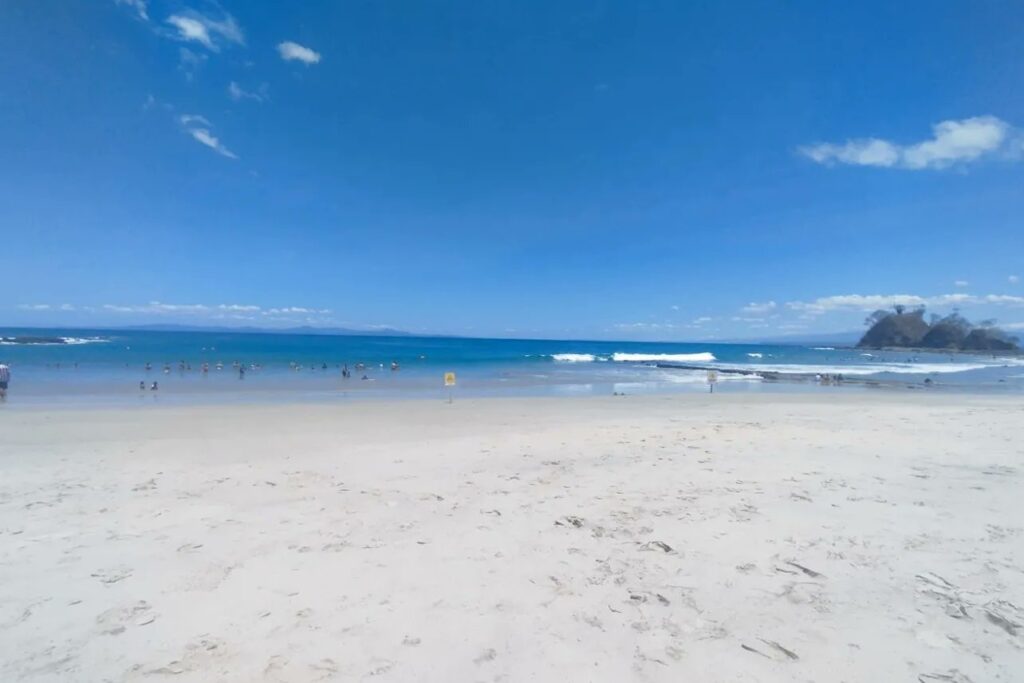
Playa Blanca is widely regarded as one of the most beautiful beaches on Costa Rica’s Central Pacific coast. Its light-colored sand, calm waters, and nearby reefs have made it a favorite destination for both domestic and international visitors for decades.
The area is also known for its remarkable landscapes and marine ecosystems that require special protection. Its proximity to other beaches and natural attractions within Garabito makes it a strategic location for sustainable tourism and responsible outdoor recreation.
The Challenge of Balancing Tourism and Conservation
The situation at Playa Blanca reflects a challenge faced by many coastal communities: how to guarantee public access and encourage recreational and economic activities without compromising the natural resources that make the destination attractive in the first place.
Coastal management experts agree that success depends on careful planning, effective environmental oversight, and ongoing cooperation between local governments, environmental institutions, businesses, and the public.
Protecting coastal ecosystems is particularly important in Costa Rica, where nature-based tourism is one of the country’s main economic drivers and environmental conservation is a central part of national identity.
Citizen Participation and Shared Responsibility
Opening public natural spaces also comes with responsibilities for visitors. Proper waste management, respect for local wildlife and vegetation, and compliance with established regulations are essential for ensuring the long-term sustainability of these destinations.
International experiences have shown that public access and environmental conservation can successfully coexist when supported by responsible management and active community participation.
A Future Dependent on Sustainable Management
The new chapter unfolding at Playa Blanca represents an opportunity to strengthen public access to natural spaces while demonstrating that recreational development can be compatible with environmental protection.
The decisions made by local authorities in the coming months, together with the responsible behavior of visitors and stakeholders, will play a crucial role in ensuring that this destination remains one of the Central Pacific’s most treasured natural attractions.
Recommended Official Sources
- Ministry of Environment and Energy (MINAE)
- National System of Conservation Areas (SINAC)
- Costa Rican Tourism Board (ICT)
- Municipality of Garabito
- Office of the Attorney General of Costa Rica – Maritime-Terrestrial Zone Regulations
- Environmental Administrative Tribunal