A Measure Focused on Conservation
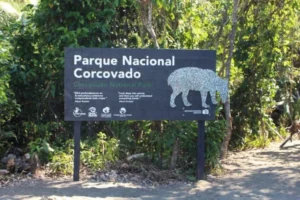
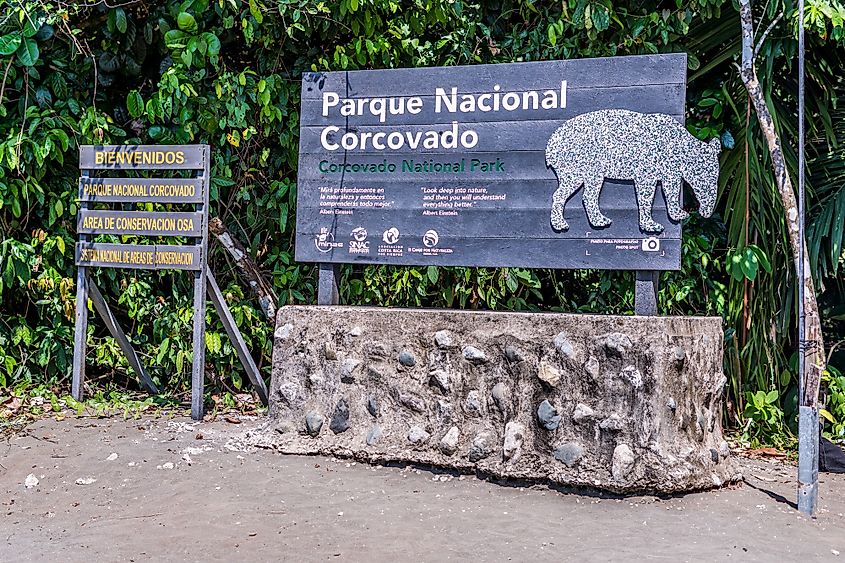
Environmental authorities have decided to temporarily reduce visitor capacity at Corcovado National Park, one of Costa Rica’s most iconic protected areas. The measure comes in response to the need to address wastewater management issues in facilities used by both visitors and park staff.
The primary goal is to ensure that tourism activities continue to operate sustainably without compromising the integrity of the ecosystems that have made Corcovado one of the most important natural destinations in the Americas.
The decision reflects the commitment of environmental institutions to protecting natural resources and promoting responsible tourism management in ecologically sensitive areas.
A Globally Recognized Biodiversity Sanctuary
Located on the Osa Peninsula, Corcovado is widely considered one of the most biodiverse national parks on Earth. According to the National System of Conservation Areas (SINAC), the park contains an extraordinary variety of ecosystems, including tropical rainforests, mangroves, beaches, rivers, and wetlands.
The area serves as a refuge for emblematic species such as the Central American tapir, jaguar, puma, spider monkey, white-faced capuchin monkey, and scarlet macaw, among many others.
For decades, scientific and conservation organizations have highlighted Corcovado as one of the most important natural laboratories for studying tropical biodiversity.
The Challenge of Balancing Tourism and Conservation
The continuous growth of nature tourism provides significant economic opportunities for local communities, but it also creates challenges in terms of infrastructure and environmental management.
Proper wastewater treatment, solid waste management, trail protection, and visitor flow regulation are essential components of maintaining the ecological balance of protected areas such as Corcovado.
Conservation experts agree that temporarily limiting visitor capacity can be an effective tool for reducing environmental pressure while technical and operational improvements are implemented.
Sustainable Tourism as a National Priority
Costa Rica has built much of its international reputation on environmental protection and the development of a sustainable tourism model.
Protected areas managed by SINAC receive thousands of national and international visitors every year, attracted by the country’s remarkable biodiversity. However, this success also requires ongoing investments in environmental infrastructure and ecological monitoring.
The temporary reduction in visitor numbers at Corcovado is part of a preventive strategy designed to preserve the park’s environmental quality and ensure that future generations can continue enjoying this natural treasure.
A Reminder of the Importance of Environmental Management
This situation demonstrates how even some of the world’s most celebrated destinations face sustainability challenges.
Protecting highly biodiverse ecosystems requires continuous planning, adequate investment, and decisions that prioritize environmental health over short-term tourism growth.
In Corcovado’s case, the measures adopted aim to ensure that conservation remains at the heart of park management, preserving the natural values that have made it a symbol of Costa Rica’s ecological richness.
Looking Toward the Future
As corrective actions related to wastewater treatment and support infrastructure move forward, authorities continue working to ensure safe and sustainable park operations.
The experience demonstrates that effective conservation requires constant adaptation to new challenges and responsible decision-making whenever conditions demand it.
For many experts, the temporary reduction in visitor capacity should not be viewed as a tourism restriction, but rather as an investment in the long-term protection of one of Latin America’s most extraordinary natural environments.
Recommended Official Sources
- National System of Conservation Areas (SINAC)
- Osa Conservation Area (ACOSA)
- Ministry of Environment and Energy (MINAE)
- United Nations Development Programme (UNDP)
- Costa Rican Tourism Board (ICT)