A study that reshapes our understanding of insect diversity
A scientific study based on decades of research carried out in the Area de Conservación Guanacaste (ACG) suggests that the total number of insect species on Earth could reach at least 14 million. This estimate represents one of the most comprehensive approximations made to date and highlights the enormous biodiversity that remains undescribed by science.
The study relies on data collected over many years through systematic biological inventories conducted in one of the world’s most important natural laboratories for tropical ecosystem research.
The role of the Area de Conservación Guanacaste
The Area de Conservación Guanacaste, located in northwestern Costa Rica, is internationally recognized for its exceptional biological richness and for hosting one of the most extensive biodiversity inventories on the planet.
For several decades, national and international researchers have documented thousands of species of plants, fungi, vertebrates, and invertebrates across its dry forests, rainforests, mangroves, and mountain ecosystems.
Thanks to this long-term effort, the ACG has become a global reference for understanding how tropical biodiversity functions and how species evolve.
Why insects are so important
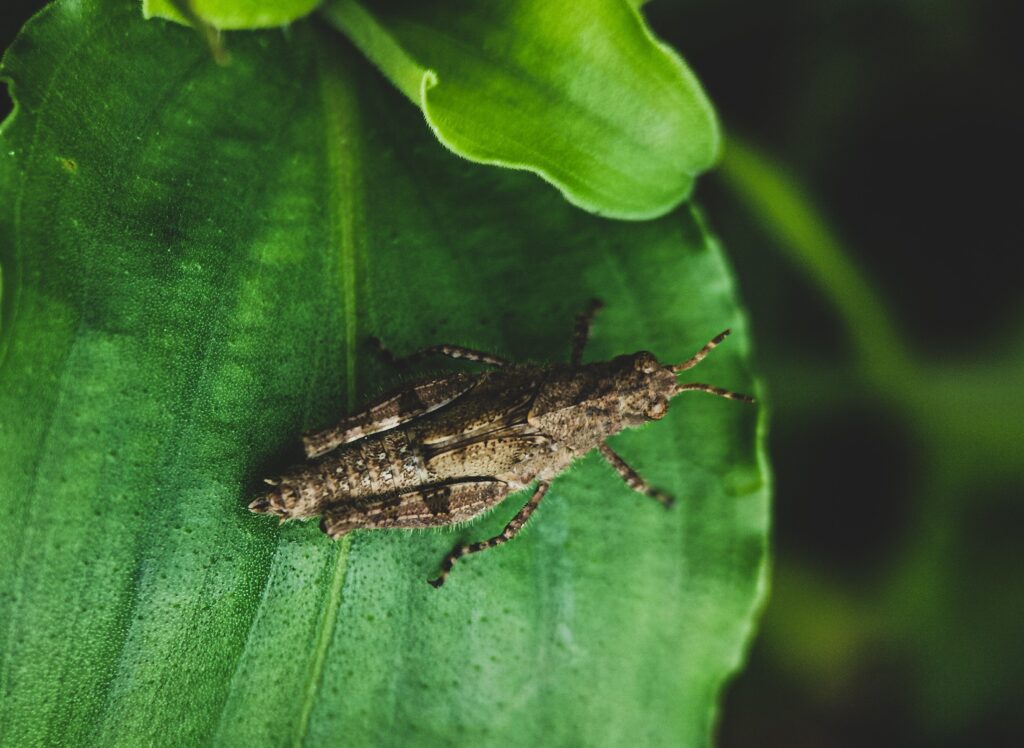
Insects represent the most diverse group of animals on Earth and perform essential functions in nearly all ecosystems.
Their main roles include:
- Pollination of many wild and cultivated plants.
- Decomposition of organic matter.
- Nutrient cycling.
- Natural pest control.
- Serving as food for birds, reptiles, amphibians, and mammals.
The loss of many insect species could significantly disrupt ecosystem balance.
How the estimate was made
Researchers used the vast amount of information gathered from the biological inventory of the Area de Conservación Guanacaste, combined with statistical models and data on ecological relationships between insects, plants, and other organisms.
Instead of simply extrapolating known species counts, the study incorporated ecological and evolutionary patterns to produce a more robust estimate of global insect diversity.
Although the figure of 14 million remains a scientific estimate, it reflects the scale of biodiversity that still remains to be discovered.
Biodiversity still unknown
Currently, science has described around one million insect species. However, specialists believe that a large proportion remains unidentified, especially in tropical forests.
Many species are extremely small, have complex life cycles, or inhabit poorly explored ecosystems, making their discovery difficult.
Each new study expands knowledge of biodiversity and shows that a vast number of organisms are still awaiting documentation.
The importance of biological inventories
Biodiversity inventories are essential tools for scientific research and conservation.
In addition to discovering new species, they help understand ecological relationships, detect environmental changes, and guide management strategies for protected areas.
The work carried out in the Area de Conservación Guanacaste is considered one of the most complete long-term biological inventories in tropical ecosystems.
A contribution to global conservation
Understanding how many species exist and how they interact is essential for designing effective conservation policies.
Studies like this help prioritize protected areas, identify vulnerable species, and improve understanding of ecosystem responses to climate change and other environmental pressures.
They also highlight the importance of continued investment in science, education, and biodiversity monitoring to safeguard the planet’s natural heritage.
Official sources consulted
Area de Conservación Guanacaste (ACG)
National System of Conservation Areas (SINAC)
National Biodiversity Institute (INBio – scientific archives and publications)
Ministry of Environment and Energy of Costa Rica (MINAE)
University of Pennsylvania – related scientific publications
Convention on Biological Diversity (CBD)