Community patrols to protect marine life
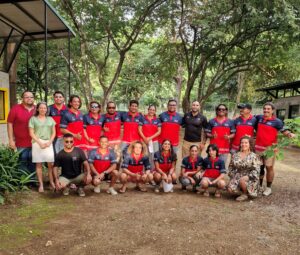
In Costa Rica’s Southern Pacific region, particularly in areas of high biodiversity, a network of environmental volunteers carries out nighttime patrols aimed at protecting marine wildlife, especially sea turtles that come ashore to nest.
These initiatives combine the efforts of local organizations, national and international volunteers, and conservation projects coordinated with environmental authorities. The main goal is to reduce threats such as poaching, illegal egg collection, and coastal ecosystem degradation.
Reports on conservation programs in the region indicate that volunteers conduct nightly patrols on key beaches, monitoring turtle nesting sites and supporting direct habitat protection efforts.
The role of Earthrace Conservation in Pacific protection
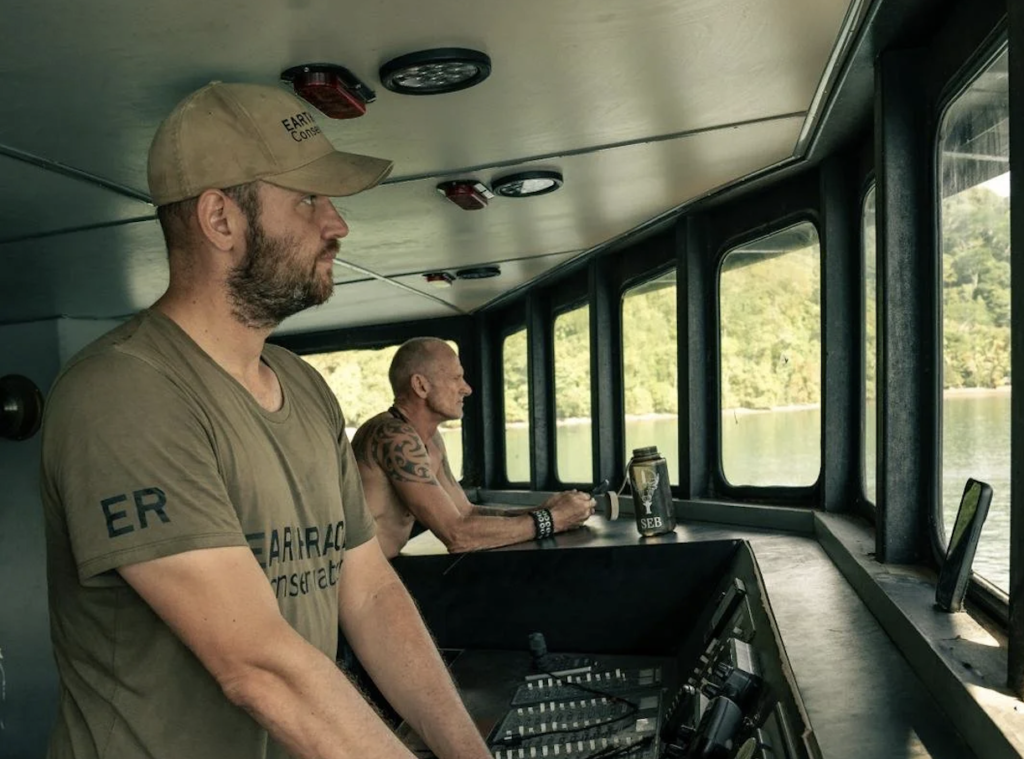
One of the organizations active in the region is Earthrace Conservation, which works on marine surveillance and ecosystem protection through patrol operations, monitoring, and cooperation with state authorities.
The organization operates in Costa Rica in coordination with the Ministerio de Ambiente y Energía and other conservation entities, providing logistical support such as vessels and ocean monitoring technology.
Earthrace has also participated in enforcement operations against illegal fishing activities in sensitive marine areas of the Southern Pacific, one of the country’s most biodiverse regions.
This cooperation is part of broader international agreements aimed at strengthening marine surveillance and the protection of marine protected areas.
Conservation in one of the world’s most biodiverse regions
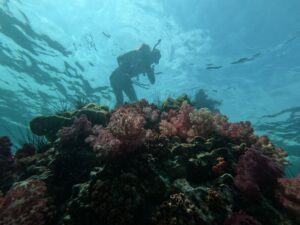
Costa Rica’s Southern Pacific, including areas such as the Osa Peninsula, is recognized globally for its exceptional biodiversity and ecological importance.
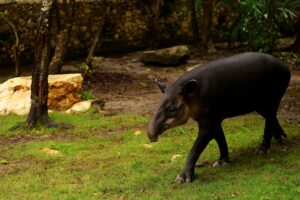
The region hosts mangrove ecosystems, nesting beaches, and marine corridors essential for species such as sea turtles, sharks, birds, and marine mammals. Conservation organizations highlight it as one of the most biologically rich areas in Central America.
Environmental volunteering as a conservation tool
Volunteering has become a key conservation tool in southern Costa Rica. These programs include beach patrols, species monitoring, reforestation efforts, and support for scientific research.
Organizations such as Osa Conservation emphasize that volunteer work directly contributes to biodiversity protection and ecosystem resilience.
In addition, these programs promote environmental education and community participation, integrating both local residents and international visitors into active conservation efforts.
Challenges: human pressure and ecosystem protection
Despite conservation efforts, the Southern Pacific faces significant challenges such as illegal fishing, tourism pressure, marine pollution, and habitat loss.
Recent reports have documented illegal activities at sea and highlight the need to strengthen institutional presence to ensure environmental law compliance.
These challenges have led to increased collaboration between NGOs, local communities, and state institutions.
A conservation model based on direct action
The approach of nighttime patrols and environmental volunteering reflects a model of active conservation that combines science, community engagement, and field action.
This model not only protects endangered species but also strengthens environmental awareness and citizen participation in natural resource management.
Costa Rica, internationally recognized for its environmental leadership, continues to develop hybrid conservation systems where technology, volunteer action, and institutional frameworks work together.
Official and reference sources
- Ministerio de Ambiente y Energía — protected areas and marine conservation management
- Sistema Nacional de Áreas de Conservación — management of marine and terrestrial ecosystems
- Earthrace Conservation — marine monitoring and protection operations in the Southern Pacific
- Osa Conservation — volunteer programs and biodiversity conservation in southern Costa Rica
- Observador CR — reporting on conservation and volunteer initiatives in the Southern Pacific