A scientific discovery on Costa Rica’s Pacific coast
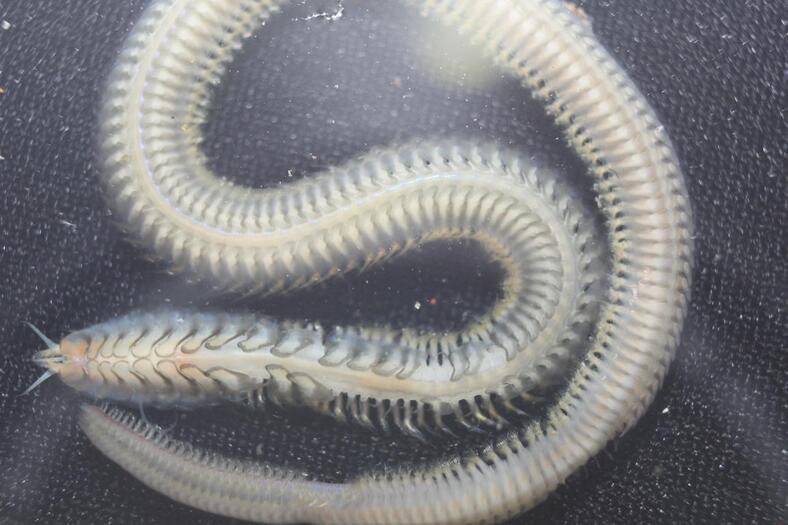
Researchers identified a new marine species buried beneath the sand at Playa Naranjo, a discovery that once again highlights the extraordinary biodiversity found within the country’s coastal ecosystems.
The finding was made during scientific studies conducted in the area and represents an important contribution to the understanding of marine species inhabiting sandy environments along the Costa Rican Pacific coast.
The biodiversity hidden beneath the sand
Although often unnoticed, sandy ecosystems host a wide variety of organisms adapted to living buried beneath the surface. These animals play essential ecological roles related to nutrient recycling, sediment oxygenation, and maintaining the balance of marine ecosystems.
Specialists point out that many of these species remain poorly studied due to their small size and the difficulty of detecting them in natural environments.
Costa Rica and its biological richness
The discovery reinforces the international recognition of Costa Rica as one of the most biodiverse countries on the planet. Despite its relatively small territory, the country is home to an enormous variety of terrestrial and marine ecosystems that continue to generate new scientific discoveries.
Research on marine fauna and coastal biodiversity is essential for better understanding ecosystem functioning and strengthening environmental conservation strategies.
The importance of scientific research
Scientists and environmental organizations emphasize that the discovery of new species helps expand knowledge about marine life and better understand how factors such as climate change, pollution, and human activity affect these ecosystems.
Additionally, these studies help identify priority areas for conservation and sustainable natural resource management.
Marine ecosystems and conservation
The beaches and coastal zones of the Costa Rican Pacific are part of complex ecosystems inhabited by fish, crustaceans, mollusks, seabirds, and microscopic organisms.
Specialists remind us that protecting these environments is essential not only for biodiversity, but also for sustainable tourism, fishing, and environmental education.
Official and informational sources
• National System of Conservation Areas — Information about biodiversity and ecosystem conservation in Costa Rica.
• University of Costa Rica — Scientific research related to marine biodiversity and coastal ecosystems.
• Playa Naranjo — Location of the scientific discovery.
• The Tico Times — News coverage about the discovery of the new marine species.