A scientific discovery in the waters of Panama’s Pacific coast
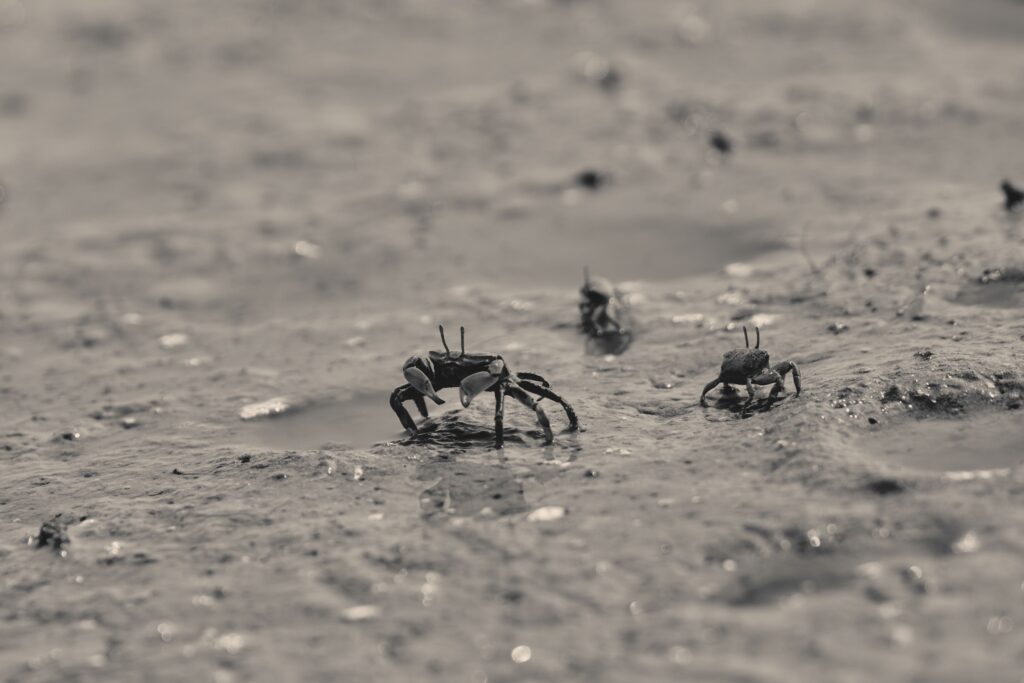
A marine biologist has announced the discovery of a new species of crab on Panama’s Pacific coast, a finding that represents a significant contribution to the understanding of the region’s marine biodiversity. The discovery highlights that the marine ecosystems of the Tropical Eastern Pacific continue to harbor species that remain unknown to science.
Identifying a new species is a process that requires years of research, morphological comparisons, and, in many cases, genetic analyses to confirm that the organism is distinct from species already described.
The biological richness of the Tropical Eastern Pacific
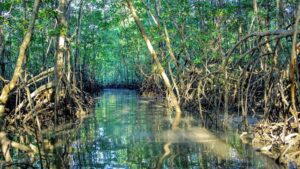
Panama’s Pacific coastline is part of one of the most biodiverse marine regions on the planet. Mangroves, coral reefs, estuaries, and rocky seabeds provide ideal habitats for a wide variety of crustaceans, mollusks, fish, and other marine invertebrates.
Many of these ecosystems continue to be explored by scientists, as numerous species remain undescribed due to the difficulty of accessing certain environments or because of the physical similarities between closely related organisms.
How a new species is identified
The discovery of a new species is not based solely on visible differences. Researchers carry out a detailed analysis that may include:
- Comparing anatomical characteristics with known species.
- Conducting DNA analyses to confirm genetic differences.
- Reviewing scientific collections and specialized literature.
- Publishing the findings in peer-reviewed scientific journals.
Only after completing this process is a new species officially recognized by the scientific community.
Importance for marine conservation
Each newly identified species provides valuable information about how marine ecosystems function and helps scientists better understand the relationships between the organisms that inhabit them.
In addition, understanding the distribution and characteristics of these species supports the development of more effective conservation strategies, particularly in regions where biodiversity faces threats such as pollution, habitat loss, climate change, and overexploitation of marine resources.
A reminder of how much remains to be discovered
Although science has already described millions of organisms, researchers estimate that many species remain unidentified, especially in the oceans, tropical rainforests, and deep-sea ecosystems.
Every new discovery demonstrates that scientific exploration remains essential for understanding the planet’s biodiversity and for developing evidence-based conservation policies.
International scientific cooperation
The study of new species often involves collaboration between universities, natural history museums, and research institutions from different countries. This cooperation allows scientists to share knowledge, technologies, and scientific collections that facilitate the accurate identification of organisms.
In regions with biodiversity as rich as Central America, scientific research continues to play a crucial role in documenting and protecting natural heritage.
Official sources consulted
Ministry of Environment of Panama (MiAMBIENTE)
Smithsonian Tropical Research Institute (STRI)
G. B. Fairchild Museum of Invertebrates, University of Panama
International Union for Conservation of Nature (IUCN)
Global Biodiversity Information Facility (GBIF)