An Effort That Combines Development and Conservation
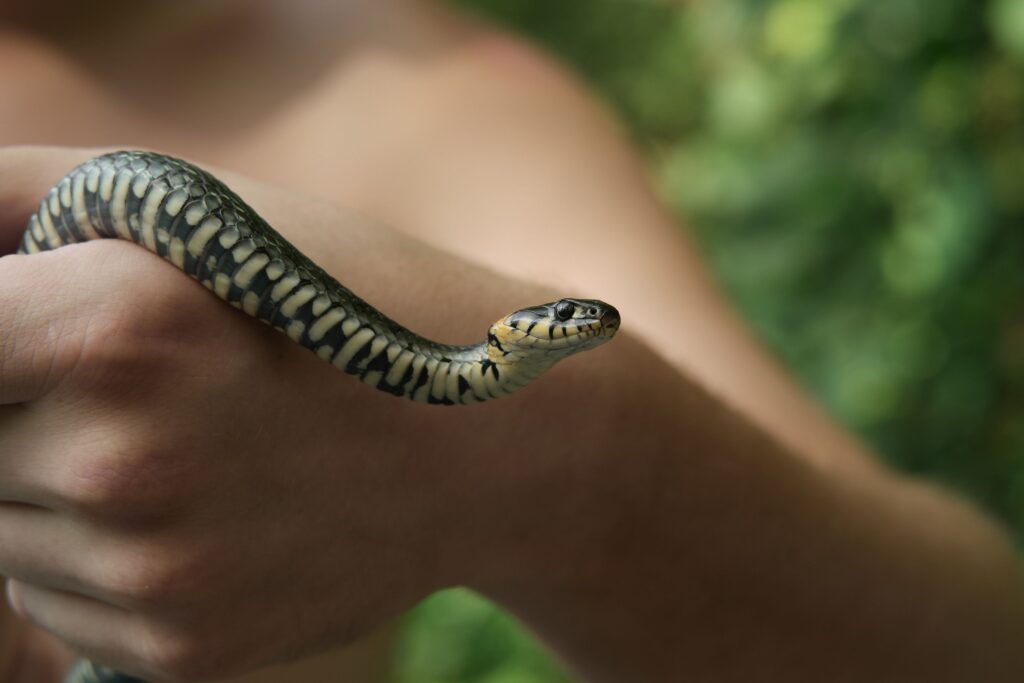
Large infrastructure projects are often associated with roads, bridges, and construction works, but behind many of these initiatives lies significant environmental protection work. Recently, more than 450 wild animals were rescued and safely relocated during the execution of various infrastructure projects, demonstrating that development and conservation can move forward together.
The operation involved wildlife specialists, biologists, veterinarians, and technical personnel responsible for ensuring that species living in the affected areas could be relocated without compromising their well-being or the continuity of local ecosystems.
The Importance of Preventive Wildlife Rescues
Before construction begins in areas where wildlife is present, environmental assessments are commonly conducted to identify vulnerable species and design mitigation measures.
These rescue operations make it possible to relocate animals to safe areas close to their natural habitats, reducing the impact that construction activities may have on reptiles, amphibians, small mammals, birds, and insects.
According to conservation experts, these actions are essential in a country internationally recognized for its biodiversity and the ecological richness of its forests, wetlands, and biological corridors.
Infrastructure with an Environmental Focus
In recent years, Costa Rica has strengthened the integration of environmental criteria into public and private development projects. Among the most widely used measures are wildlife rescue operations, biological monitoring, habitat restoration, and the installation of wildlife crossings that facilitate the safe movement of animals.
These actions aim to reduce ecosystem fragmentation and minimize risks for species that depend on connectivity between different natural areas.
Various studies have shown that habitat fragmentation is one of the greatest threats facing wildlife, particularly in regions where urban expansion and infrastructure development create new physical barriers.
A Country Committed to Biodiversity
Despite its small territory, Costa Rica is home to approximately 6% of the world’s known biodiversity. This extraordinary natural wealth has made the country an international leader in conservation.
For this reason, development projects are often accompanied by environmental assessments and protection programs designed to balance economic growth with the preservation of natural resources.
The wildlife rescues carried out during these projects provide a concrete example of how environmental planning can reduce impacts and protect species that form part of the country’s natural heritage.
The Role of Conservation Professionals
Behind every rescue operation is a team of specialized professionals responsible for species identification, environmental monitoring, veterinary assessments, and the selection of appropriate release sites.
These teams follow scientific protocols that increase the survival chances of relocated animals and ensure they can continue fulfilling their ecological roles.
In addition, the information collected during these operations contributes to improving future environmental management and conservation strategies.
A Model Gaining Recognition Across the Region
Costa Rica’s experience demonstrates that wildlife protection can be effectively integrated into modern infrastructure projects. As the need for new development continues to grow, so does the importance of implementing preventive measures that reduce impacts on ecosystems.
The rescue of more than 450 animals during these projects reflects a growing trend in environmental planning: building for the future while safeguarding the biodiversity that makes the country unique.
Recommended Official Sources
- Ministry of Environment and Energy (MINAE)
- National System of Conservation Areas (SINAC)
- National Environmental Technical Secretariat (SETENA)
- National Biological Corridors Program
- International Union for Conservation of Nature (IUCN)