Growing concern from the geological sector
The expansion of illegal mining in Costa Rica has raised serious concerns among specialists and technical organizations. The Colegio de Geólogos de Costa Rica recently warned of a gradual weakening of the State’s institutional capacity to address this issue, particularly in key areas such as oversight and regulation of mineral resources.
According to the organization, there has been a reduction in technical staff within the mining authority, limiting its ability to carry out essential functions such as monitoring, technical analysis, and regulation of extractive activities.
In addition, the reassignment of professionals and temporary use of positions in other departments have affected strategic processes such as the National Mining Registry, further weakening the institutional response to a rapidly expanding phenomenon.
A context marked by the rise of illegal mining
These warnings come at a time when illegal mining has been steadily increasing, particularly in areas such as Crucitas in the northern region of the country.
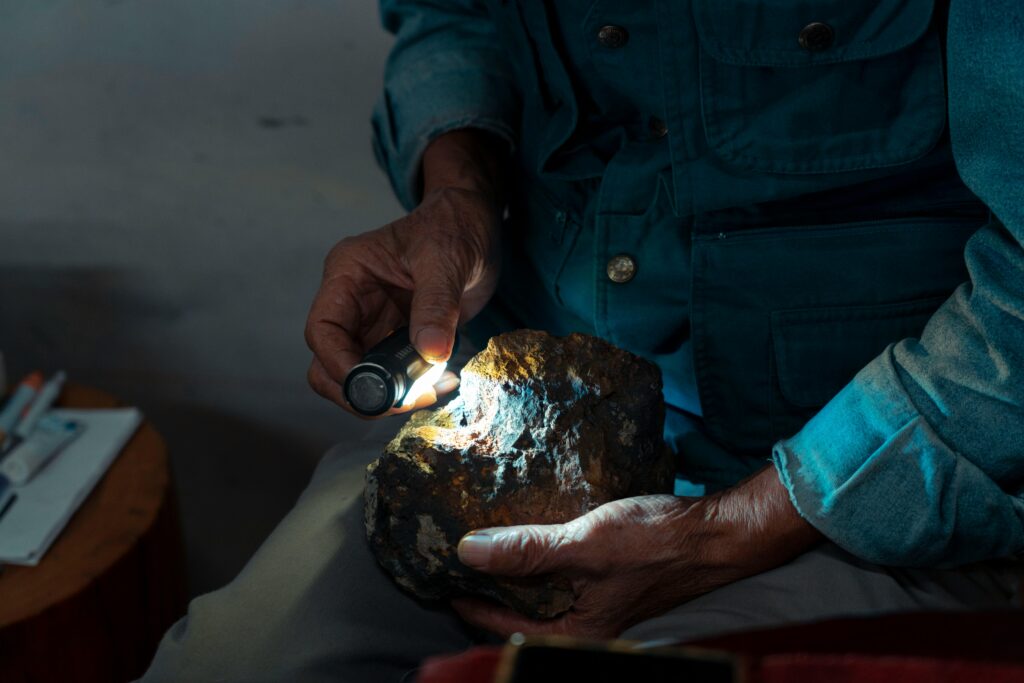
Technical reports indicate that this activity has caused significant environmental damage and major economic losses. Estimates suggest that the affected area could reach up to 10,000 hectares, with severe impacts linked to the use of toxic substances such as mercury and cyanide in extraction processes.
From an economic standpoint, illegal mining is believed to have generated losses of nearly $2 billion since 2017, highlighting not only an environmental crisis but also a structural economic challenge for the country.
Large-scale environmental and social impacts
The growth of illegal mining is not only an economic issue but also has far-reaching environmental and social consequences.
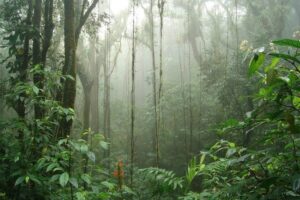
Studies and institutional reports warn of soil degradation, water contamination, deforestation, and biodiversity loss in a country globally recognized for its environmental leadership.
Moreover, illegal mining is often associated with broader issues such as organized crime, labor exploitation, and the trafficking of hazardous substances, making the State’s response even more complex.
Calls to strengthen institutional capacity
In response to this situation, the geological sector has called for urgent action to reinforce the institutions responsible for mining governance, particularly the mining authority under the Ministerio de Ambiente y Energía.
The recommendations emphasize the need to ensure adequate human resources, stability in technical teams, and an institutional structure aligned with legal responsibilities.
This perspective aligns with recent rulings by the Sala Constitucional de Costa Rica, which has ordered immediate action from multiple government agencies to address the environmental crisis linked to illegal mining in Crucitas.
A critical challenge for Costa Rica’s environmental model
Costa Rica is facing a pivotal moment in environmental governance. Although the country has banned open-pit metallic mining since 2010, the persistence of illegal activities reveals significant gaps in enforcement and oversight.
As a nation that hosts nearly 6% of the world’s biodiversity and is internationally recognized for its sustainability model, the spread of illegal mining represents a direct challenge to its development strategy.
The current debate goes beyond controlling illicit activities—it also highlights the need to strengthen public institutions, improve inter-agency coordination, and ensure effective management of natural resources.
Official and reference sources
- Colegio de Geólogos de Costa Rica
- Ministerio de Ambiente y Energía
- Sala Constitucional de Costa Rica
- National media and environmental reports