Tropical Wave Number 5 approaches the national territory
Meteorological authorities are monitoring the arrival of tropical wave number 5, an atmospheric phenomenon expected to enter the country this Monday and increase rainfall across several regions, especially in the Caribbean, Northern Zone, Pacific region, and Central Valley.
According to weather reports, the system will interact with existing regional humidity and other atmospheric factors typical of the rainy season, creating more unstable weather conditions over the coming days.
The country remains in the heart of the rainy season transition
Costa Rica is currently experiencing the climatic pattern characteristic of the rainy season, a period during which tropical waves frequently influence weather conditions directly.
During this season, the combination of oceanic humidity, high temperatures, and the influence of the Intertropical Convergence Zone favors the formation of heavy rainfall and thunderstorms at different times of the day.
Regions with the highest probability of rainfall
Specialists indicate that rainfall could become more intense during afternoons and evenings, especially in mountainous areas and regions vulnerable to soil saturation or rising river levels.
Authorities continue monitoring the behavior of the tropical wave to determine possible updates or preventive alerts as the phenomenon progresses.
Recommendations amid increased rainfall
Due to the possibility of heavy rains, emergency institutions recommend that the population:
• Stay informed through official reports from the National Meteorological Institute and the National Emergency Commission.
• Exercise caution in areas near rivers, streams, and zones prone to landslides.
• Check drainage systems and avoid disposing of waste that could cause urban flooding.
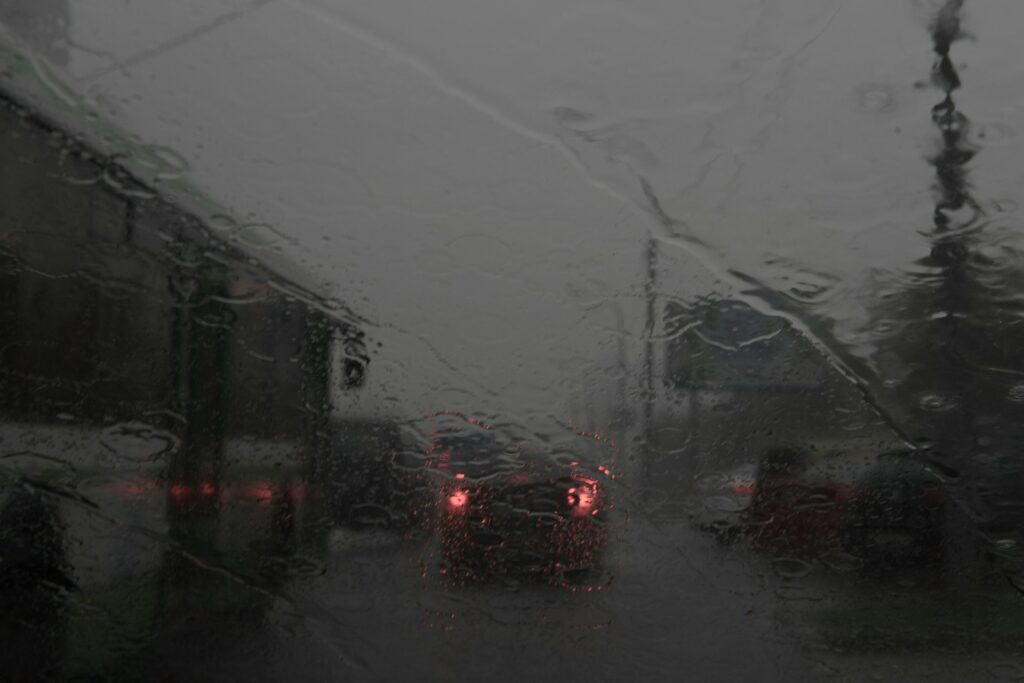
• Drive carefully due to reduced visibility and possible landslides on roads.
Tropical waves and hurricane season
Tropical waves are common atmospheric systems between May and November and are part of the climatic dynamics of the rainy and hurricane season in the region.
Although many of these waves only produce moderate rainfall, some can strengthen depending on atmospheric conditions in the Caribbean and Central America.
Official and informational sources
• National Meteorological Institute (IMN) — Official forecasts and monitoring of tropical waves and weather conditions.
• National Emergency Commission (CNE) — Preventive recommendations and monitoring of rain-related risks.
• Intertropical Convergence Zone — Atmospheric phenomenon associated with increased rainfall in the region.
• Repretel — News coverage regarding the arrival of tropical wave number 5.