1. Historical and Geographical Context: The Twilight of the Oligarchic State and the Dawn of a Turbulent Century
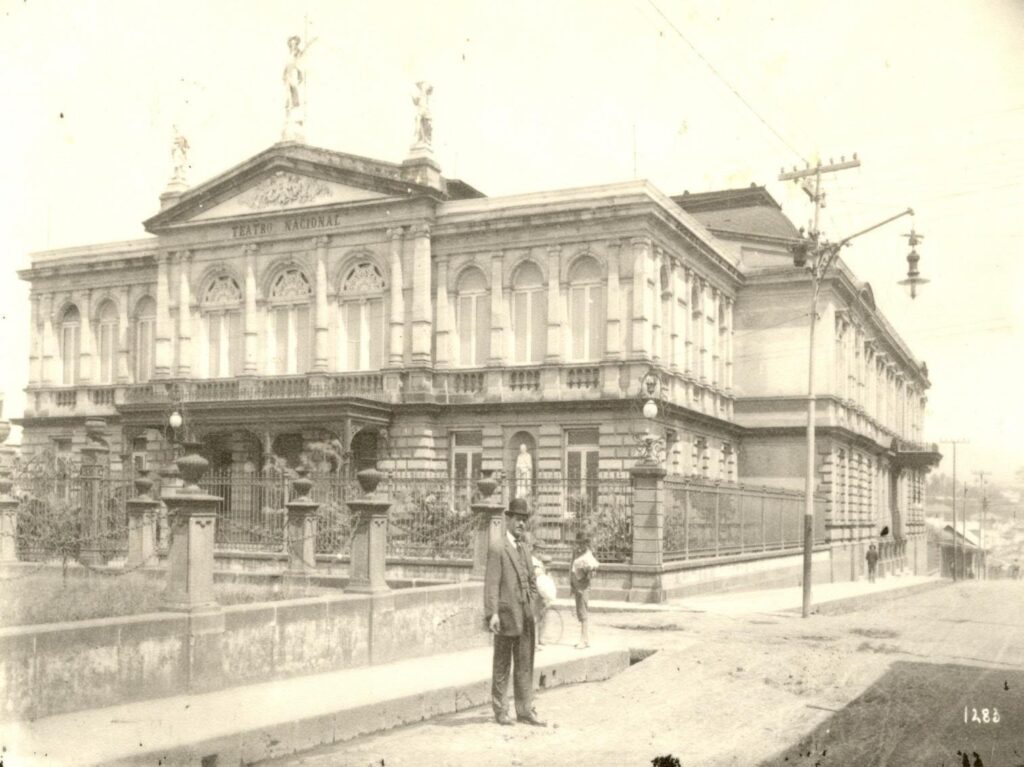
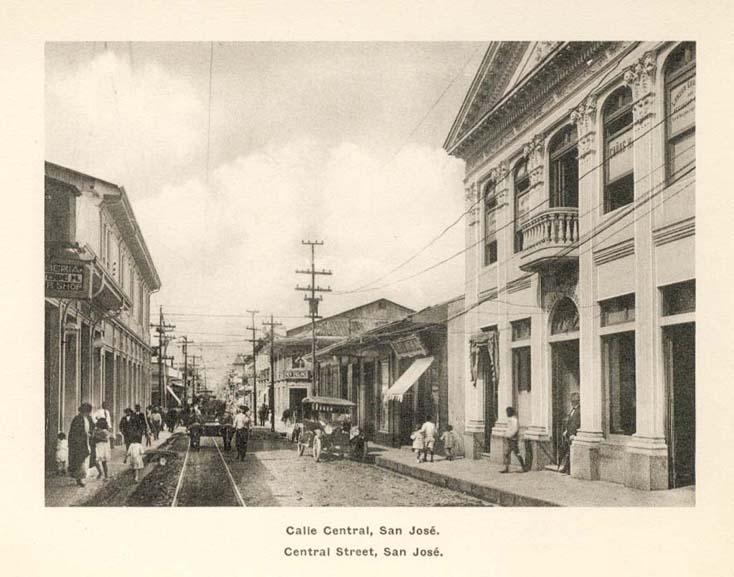
To understand the magnitude of Joaquín García Monge’s work, it is essential to situate oneself in Costa Rica at the end of the nineteenth century and the beginning of the twentieth. At that time, the country was experiencing the consolidation of a liberal State model driven by a political and intellectual elite known as the “Generation of Olympus.” This hegemonic group based its nation-building project and its power on an agro-export economy, heavily dependent on the cultivation and commercialization of coffee for international markets. However, this economic bonanza — which allowed the modernization of the capital with advances such as the railroad, the telegraph, and the National Theater — contrasted sharply with the reality of a small, predominantly rural country marked by deep social inequalities and the poverty of its peasants.
On the educational and cultural level, the panorama presented a great paradox. Although liberal thinkers had promoted significant reforms in primary education during the 1880s, higher education suffered a drastic blow: in 1888, on the recommendation of the Secretary of Public Instruction, Mauro Fernández, the University of Santo Tomás was closed. This decision left Costa Rica without an institution of higher learning for more than fifty years, until the founding of the University of Costa Rica in 1941. This academic void forced young talents to seek training abroad through state scholarships and generated the urgent need to create alternative spaces for the debate of ideas.
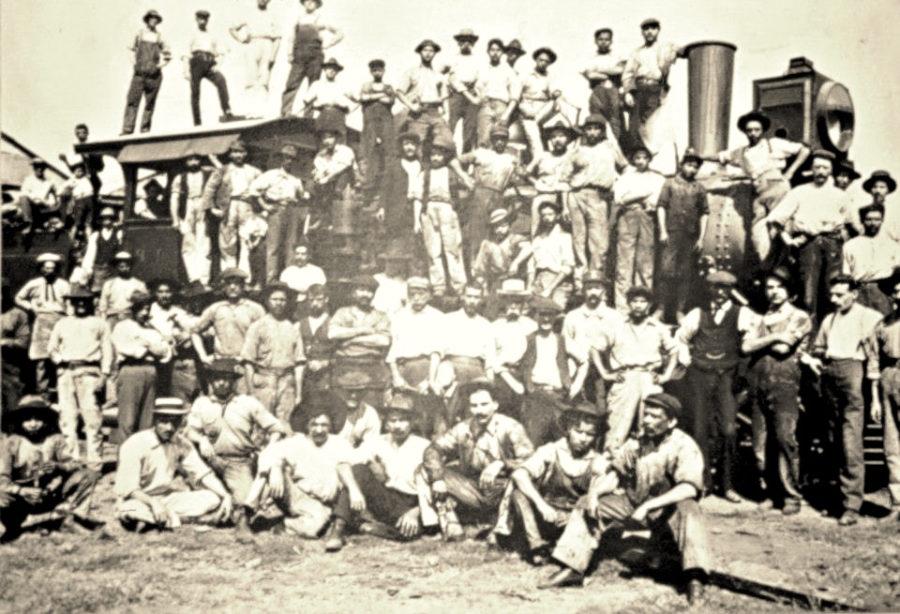
As the twentieth century dawned, the liberal agro-export model began to show its cracks and fragilities. Alongside the emergence of a nascent urban working class and the precarious conditions of agricultural workers, the first social movements began to take shape, nourished by immigrants and workers, such as the historic strike of Italian laborers during the construction of the Atlantic railroad in 1888. In this breeding ground, a circle of radicalized young intellectuals emerged who, distancing themselves from the conformism of the oligarchy, began to embrace and disseminate the ideas of anarchism, socialism, and libertarianism.
This national ideological awakening was not foreign to the turbulent world scenario. The era was marked by the twilight of traditional European capitalism and the eruption of global convulsions of great magnitude, such as the First World War and the Russian Revolution, which culminated in the fall of tsarism and the birth of the Soviet Union. Simultaneously, on the continental scene, Latin America faced the aggressive advance of imperialism and United States interventionism, with military occupations and economic pressures in countries such as Nicaragua, Panama, and Cuba, as well as the dominance of banana enclaves in the region.
It was precisely at this historical crossroads — marked by rural inequality, the absence of a university, the effervescence of radical ideas, and the threat of imperialism — that the character and critical thinking of Joaquín García Monge were forged.
2. Childhood and Formation: From the Village of Desamparados to the Chilean Pedagogical Lighthouse
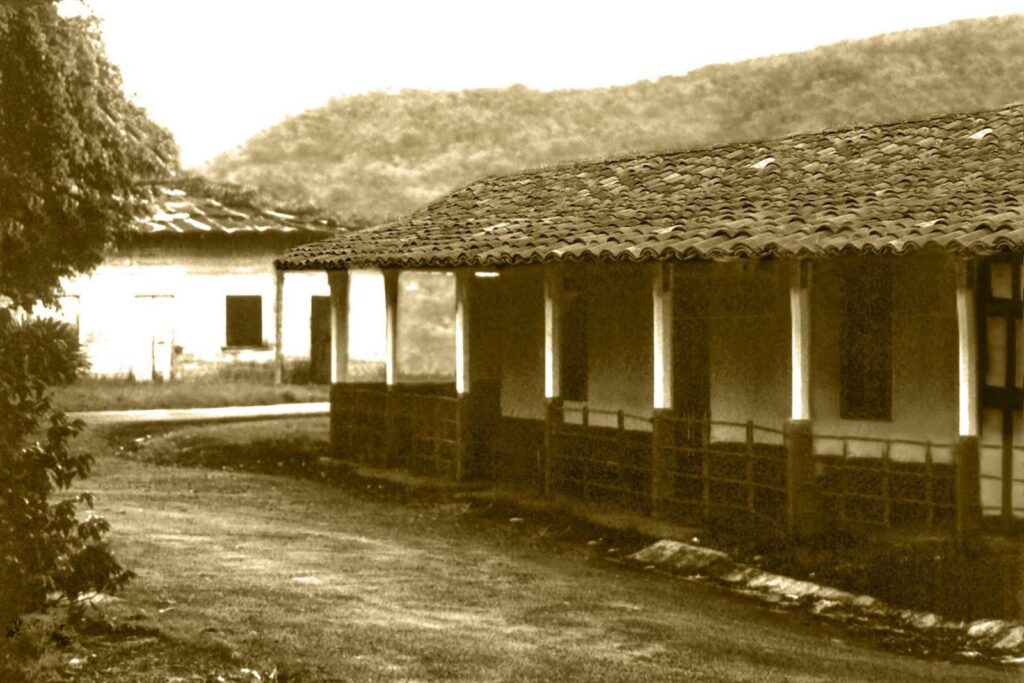
Joaquín García Monge was born on January 20, 1881, in Desamparados, province of San José. At that time, this canton was little more than an agricultural and rural village, a peasant environment that would profoundly mark his human sensibility and his future literary work. Coming from a family of humble origins, his early years unfolded in the simplicity of this landscape. (Methodological note: General historical sources lack intimate details about his primary family nucleus, such as the exact names and occupations of his parents or specific anecdotes from his early childhood; to fill this biographical gap, it is recommended to consult the memoirs written by his son, Eugenio García Carrillo, such as “Cosas de don Joaquín” or “El hombre del Repertorio Americano.”)
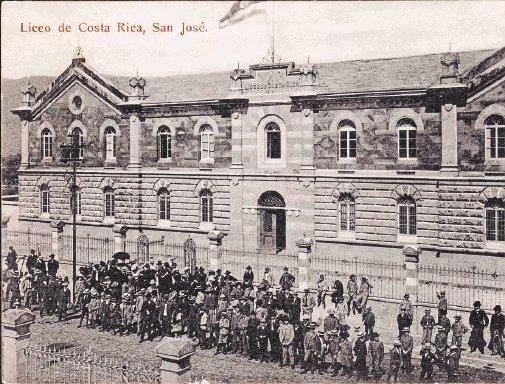
His academic formation began at the local school in his native canton, but his ability soon led him to take a significant leap: he enrolled as a boarding student at the prestigious Liceo de Costa Rica, the institution that at the time served as the great nursery of the national intelligentsia. In 1899, demonstrating his brilliance, he obtained his bachelor’s degree in Sciences and Letters by proficiency. Far from settling, the following year, at barely 19 years of age, he began his teaching career as a schoolmaster at the emblematic Escuela Buenaventura Corrales, popularly known as the Edificio Metálico (Metal Building).
The true turning point in his life and thought came in 1901. That year, the Costa Rican State awarded him a scholarship to pursue higher education studies at the Pedagogical Institute of the University of Chile in Santiago. This journey represented a formidable cultural and academic shock. The young man who had grown up in the peaceful village of Desamparados immersed himself in one of the most effervescent and advanced capitals of Latin America in political and educational terms. He would become part of a distinguished generation of Costa Rican scholarship holders who, upon their return, would be colloquially known as the “chilenoides.”
During his three intense years in Chile, García Monge absorbed a torrent of new ideas under the tutelage of eminent professors such as Rodolfo Lenz and Federico Hanssen. The Chilean university environment was strongly radicalized toward the left, which brought him into direct contact with positivism, workers’ movements, and the “Revolutionary Catechism” of the anarchist Mikhail Bakunin — ideas that fired up the youth of the time. Simultaneously, he devoured the theories of the European “active school” and pragmatism, reading figures such as Herbart, Spencer, Pestalozzi, and John Dewey, as well as the Americanist thought of Andrés Bello, Sarmiento, and José Enrique Rodó.
Years later, García Monge himself would summarize the definitive impact of this experience by stating: “Chile benefited me greatly; from there I drew the impulse that still endures in me toward the social function of writer, editor, and teacher.” After graduating with the title of State Professor for the teaching of Spanish, the young teacher began his return to Costa Rica in 1904, bringing with him an ideological and pedagogical arsenal that would soon collide with the conservative oligarchic society of his country.
3. First Steps and First Important Role: The Subversive Teacher and the Birth of the National Novel
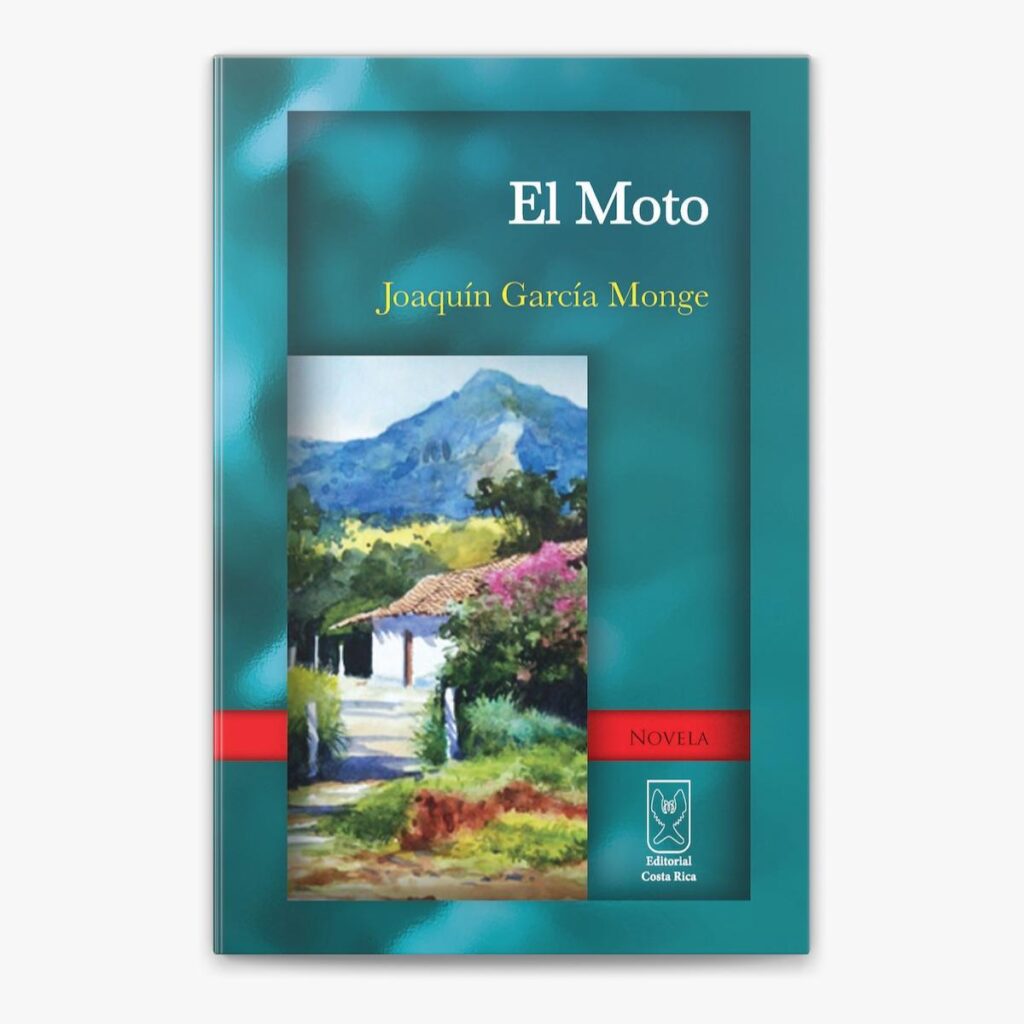
The dawn of the twentieth century witnessed the simultaneous eruption of Joaquín García Monge into the classrooms and the national letters. In 1900, at barely 19 years of age, he began his teaching career as a schoolmaster at the Edificio Metálico school (Escuela Buenaventura Corrales) in San José. That same year, his literary genius shook the lethargic Costa Rican cultural panorama with the publication of El Moto and Hijas del campo. El Moto possesses an indisputable foundational character, as it is considered by scholars to be the first Costa Rican novel and the starting point of fiction literature in the country. With these works, the young García Monge broke with the idyllic and folkloric vision of the costumbrismo of the time, inaugurating social realism through a narrative that stripped bare the old rural society and denounced the oppression exercised by the gamonales or oligarchs over dispossessed peasants.
After his enriching and radical period of formation in South America, the young intellectual returned to Costa Rica in 1904. Upon his arrival, laden with new pedagogical ideas and an ideology close to socialism and anarchism, he joined as a Spanish teacher at the very Liceo de Costa Rica where he had studied years before. However, his critical thinking and his eagerness to awaken the consciousness of his students soon collided head-on with the conservative spheres of power.
Barely six months after assuming his post, his first great political conflict arose: the government of President Ascensión Esquivel Ibarra decided to remove him from his position, justifying the measure by officially labeling him a “subversive and anarchist” individual. This early censorship marked the beginning of a constant theme in his life: the deep tension between his unbreakable vocation as a teacher and his firm — and often uncomfortable — ideological convictions. Fortunately, this separation was temporary, as the following year, in 1905, a change of administration allowed him to be reinstated in secondary education, where he would remain forging minds until 1915.
Beyond his own publications and his formal work in the classroom, García Monge’s influence as a mentor of new generations was profound and transformative. A fascinating and documented biographical detail illustrating this personal influence involves his great friend and colleague, the writer and educator María Isabel Carvajal. Recalling his years as a student in Santiago, Chile, where he had resided near the streets “Carmen” and “Lira,” don Joaquín suggested to his friend that she combine both names. It was thus, by the direct advice of the teacher, that she adopted the iconic pseudonym under which she would pass into immortality in Costa Rican literature and politics: Carmen Lyra.
4. Key Moments in His Public Life: Institutional Leadership and the “Postal University” of the Americas
Despite the friction with conservative governments in his early years, the indisputable intellectual capacity and vocation of Joaquín García Monge led him to occupy the highest institutional positions in the country. In 1915, the government of Alfredo González Flores founded the Escuela Normal de Costa Rica in the city of Heredia, and don Joaquín was summoned as one of its founding professors, subsequently assuming its directorship in 1917. In this emblematic institution, working shoulder to shoulder with figures of the stature of Omar Dengo and Roberto Brenes Mesén, he forged a new mystique of the Costa Rican teaching profession. His pedagogical approach abandoned the simple memoristic accumulation of knowledge to focus on active education, seeking to form citizens with a profound social conscience, ethics, and creative capacity.
His institutional ascent suffered a forced pause following the coup d’état and the establishment of the dictatorship of the Tinoco brothers (1917–1919), a regime that removed him from his post. However, after the fall of the dictatorship, the provisional president Francisco Aguilar Barquero appointed him Secretary of Public Instruction (the current equivalent of Minister of Education) in 1919. Although his tenure in this ministry was brief, it left a profound mark on the State’s educational vision. Shortly thereafter, in 1920, he assumed the Directorship of the National Library, a post he exercised with absolute integrity for sixteen years, until 1936. From there, he attempted to democratize reading, promoting the availability of good books not only to the elite, but also to the hands of workers and peasants.
However, the great epic of his life, his crowning achievement and his greatest legacy to Hispanic American culture, was born in September 1919: the founding of the journal Repertorio Americano. Inspired by the homonymous publication created by Andrés Bello a century earlier in London, García Monge set out to bring together the continental conscience and give voice to the thinkers of the Americas. Over 39 uninterrupted years and through more than one thousand issues, the Repertorio functioned as a prodigious cosmopolitan forum encompassing literature, philosophy, science, and politics. In a country that at that time lacked an institution of higher learning (following the closure of the University of Santo Tomás in the nineteenth century and before the founding of the University of Costa Rica in 1941), don Joaquín’s journal became, in practice, “the university that Costa Rica did not have” — a center of continental intellectual effervescence.
The work behind this publication was titanic and marked by profound economic austerity. Far from having large budgets or a team of assistants, García Monge produced the journal in an almost artisanal manner. Working largely in solitude, equipped essentially with an old typewriter, “scissors and glue,” and an unwavering tenacity, he himself selected texts, edited, packaged, and managed shipments to the various recipients. Through the journal, he built a vast transnational network of intellectual sociability, exchanging correspondence and publishing original texts by giants of the era such as Gabriela Mistral, Miguel de Unamuno, José Carlos Mariátegui, and Alfonso Reyes. It was precisely the Mexican Alfonso Reyes who, filled with admiration for this incredible feat of continental connection, baptized him with the enduring and well-deserved epithet of “Coordinator of the Americas.”
The civic and sovereign thought that drove all his public work was masterfully summarized in the celebrated speech he delivered on the morning of September 15, 1921, at the foot of the National Monument, before students and high officials on the occasion of the Centenary of Independence. On that occasion, don Joaquín warned the new generations that “liberty must be conquered and reconquered continuously.” With prophetic vision in the face of the imperialist interests of the time, he declared that the unavoidable duty of the citizen is the preservation at all costs of native soil, for “without it there is no economic freedom and without this no sovereignty is possible,” reminding his audience that peoples who sell their lands end up passing from owners to mere tenants in their own country.
5. Conflicts, Decisions, and Challenges: The Pen Against the Sword — Persecution, Exile, and Censorship
The life of Joaquín García Monge was not that of a passive intellectual sheltered in academia; on the contrary, his ideological firmness and his tireless defense of freedom cost him dearly on a personal and professional level when facing the spheres of power. Following the coup d’état of 1917 that established the dictatorship of the Tinoco brothers, García Monge was removed from his post as director of the Escuela Normal. Faced with this repressive panorama, he was forced to leave the country and traveled to New York, where he took advantage of his exile to seek support and financing with the aim of producing a new cultural editorial project.
Years later, his career in public office suffered another setback as a result of political revenge. In 1936, after sixteen years of prolific and upright management, the government of León Cortés Castro removed him from the directorship of the National Library. Far from being intimidated by the loss of his official positions, García Monge consolidated his journal Repertorio Americano as a courageous international platform of political resistance and denunciation. From its pages, he confronted authoritarian governments on the continent head-on, denouncing without restraint the dictatorships of Anastasio Somoza in Nicaragua, Fulgencio Batista in Cuba, and Rafael Leónidas Trujillo in the Dominican Republic. This unwavering opposition caused his journal to be labeled as dangerous, facing censorship, prohibitions, and serious obstacles to its circulation in those countries.
His intellectual activism also crossed the Atlantic. During the Spanish Civil War (1936–1939), the Repertorio Americanostood as one of the principal press organs in Latin America in defense of the Spanish Second Republic. For García Monge, the fight against fascism represented a global moral imperative that transcended any national border.
On the domestic level, the polarization of Costa Rican society during the turbulent 1940s exacted a severe toll. Although he did not formally join the Communist Party, his deep friendship with radical intellectuals such as Carmen Lyra, his solidarity with the working class, and his alignment with the left in the context of the antifascist struggle led the opposition faction to stigmatize him with the label of “caldero-communist.” After the outcome of the Civil War of 1948, the new order established by the triumphant Figueres forces viewed him with deep distrust; García Monge was persecuted and politically marginalized in his own country.
These constant clashes with the various governments demonstrate that García Monge was not a harmless or complacent man, but an unbreakable thinker who “stirred up trouble” among the elites. He was always willing to accept censorship, exile, and ostracism as the unavoidable price of his democratic and anti-imperialist coherence.
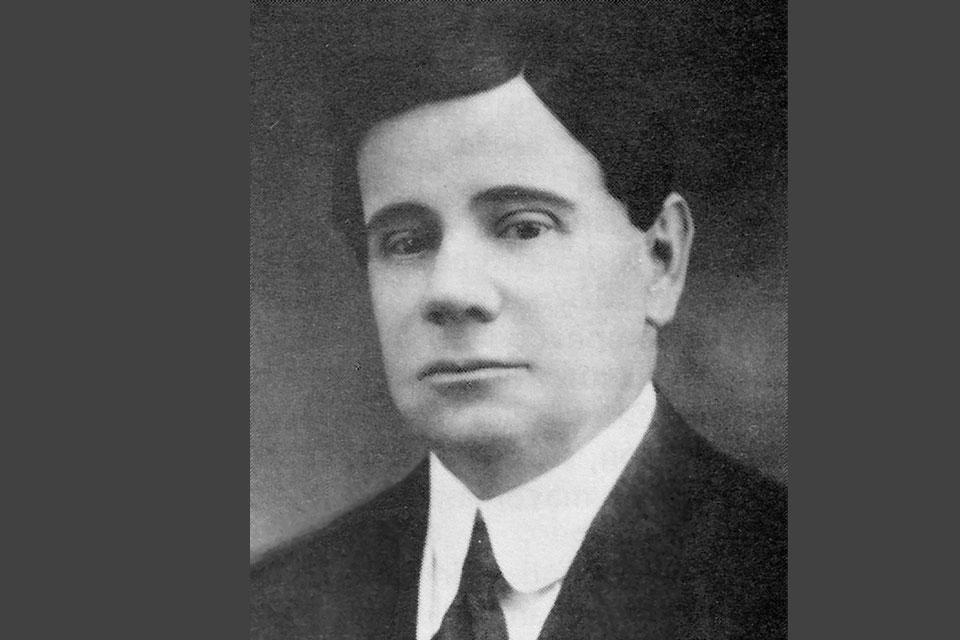
6. Achievements and Legacy: The “Coordinator of the Americas” and the Bitter National Honor
The tireless work of Joaquín García Monge far transcended the borders of his small country, turning his modest office in San José into the editorial center of the Hispanic world. Through the Repertorio Americano, he managed to weave a network of intellectual sociability without precedent on the continent, which led the distinguished Mexican essayist Alfonso Reyes to baptize him with the incomparable title of “Coordinator of the Americas.” In the pages of his journal, the brightest minds of his era coincided and entered into dialogue; he maintained correspondence and published giants of the stature of Miguel de Unamuno, Víctor Raúl Haya de la Torre, Pablo Neruda, and even the scientist Albert Einstein. His intimate friend, the Chilean Nobel Prize winner Gabriela Mistral, masterfully summarized his impact by affirming that all writers of Latin America owed something to García Monge, for thanks to him many came to know each other despite living separated by thousands of leagues.
The prestige of this “industrious bee of Hispanic culture” earned him the applause and recognition of multiple nations. In 1944, Columbia University in New York awarded him the prestigious María Moors Cabot Prize for his extraordinary journalistic and continental work. Likewise, he was decorated by almost all of Latin America: he received the Order of the Aztec Eagle from Mexico, the Grand Cross of the Order El Sol from Peru, the Order of Boyacá from Colombia, the Decoration of Merit from Chile, the National Order of Merit from Ecuador, the Medal of Honor of Public Instruction from Venezuela, and the Order of Rubén Darío from Nicaragua.
However, his life was marked by a profound and painful irony: the man internationally acclaimed as a hero of culture was often “not a prophet in his own land.” In Costa Rica, envy, political pettiness, and ideological prejudices frequently attempted to silence or marginalize him, making him feel like “an intruder in his own home.” His consistency in defending the oppressed and his critical thinking earned him the enmity of the most conservative sectors of the oligarchy and of the victors of the Civil War of 1948.
This tension between external recognition and domestic ingratitude reached its culminating point in the twilight of his life. On October 25, 1958, the Legislative Assembly of Costa Rica convened to declare him a Benemérito de la Patria (Distinguished Benefactor of the Homeland). Sadly, this act of historical justice remains the only case in the country’s history in which the benemeritazgo was not granted unanimously. Two legislators, Frank Marshall and Fernando Volio Jiménez, cast votes against it, dragging along the grudges and ideological hatred inherited from the conflict of 1948.
That petty legislative rejection was a devastating blow that deeply embittered the final days of an elderly man whose health was already greatly deteriorated. Barely six days after that vote, on October 31, 1958, don Joaquín García Monge passed away in San José at the age of 77. With his death, the printing press of the Repertorio Americano also fell silent, closing an unrepeatable chapter, but leaving sown an imperishable seed of sovereignty, dignity, and humanism in the conscience of all of Latin America.
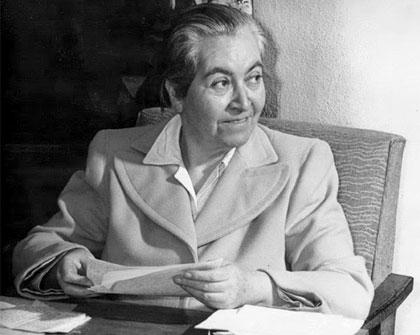
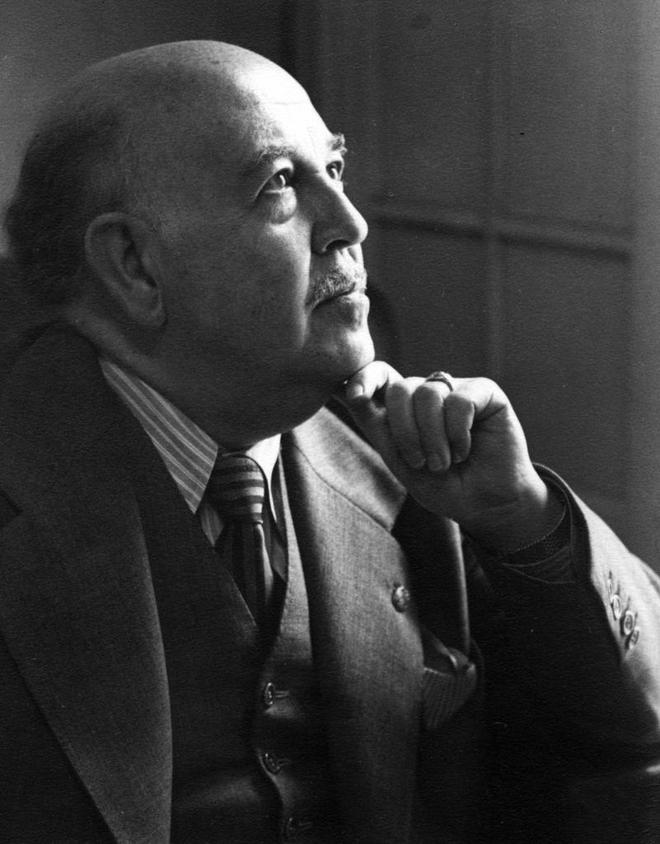
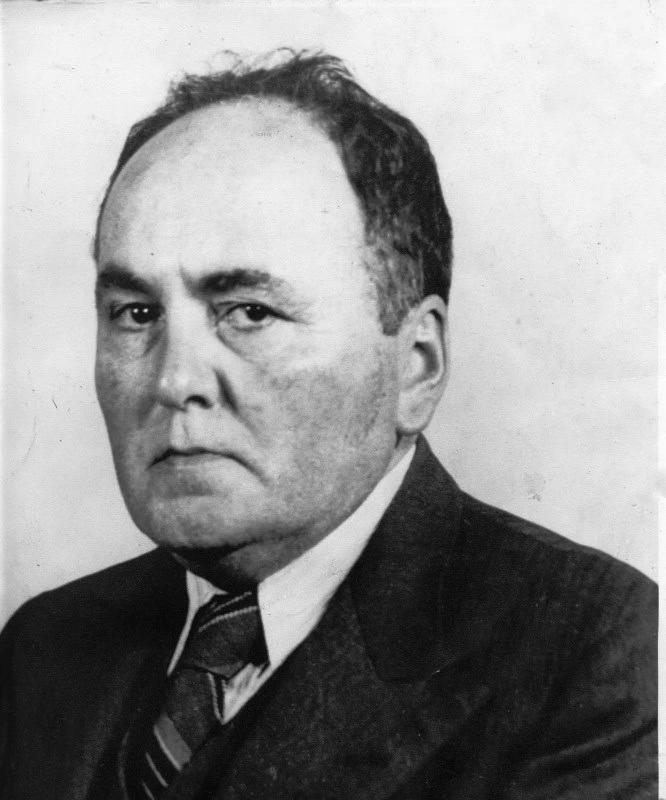
7. Impact on Costa Rica and Present-Day Projection: The Inexhaustible Seed in the National Identity
The impact of Joaquín García Monge on the intellectual history of Costa Rica is immeasurable, and he is recognized by scholars as the spiritual father and direct inspiration of the “Generation of the ’40s.” Writers of the stature of Carlos Luis Fallas (author of Mamita Yunai), Joaquín Gutiérrez (creator of Cocorí), and Fabián Dobles (author of Ese que llaman pueblo) were direct beneficiaries of the intellectual panorama that don Joaquín cultivated, and they expanded the tradition of social realism that he had inaugurated in 1900 with El Moto. Through the Repertorio Americano, García Monge not only made known the first voices of these brilliant authors, but also paved the way for national literature to assume a stance of political denunciation and explicit social criticism.
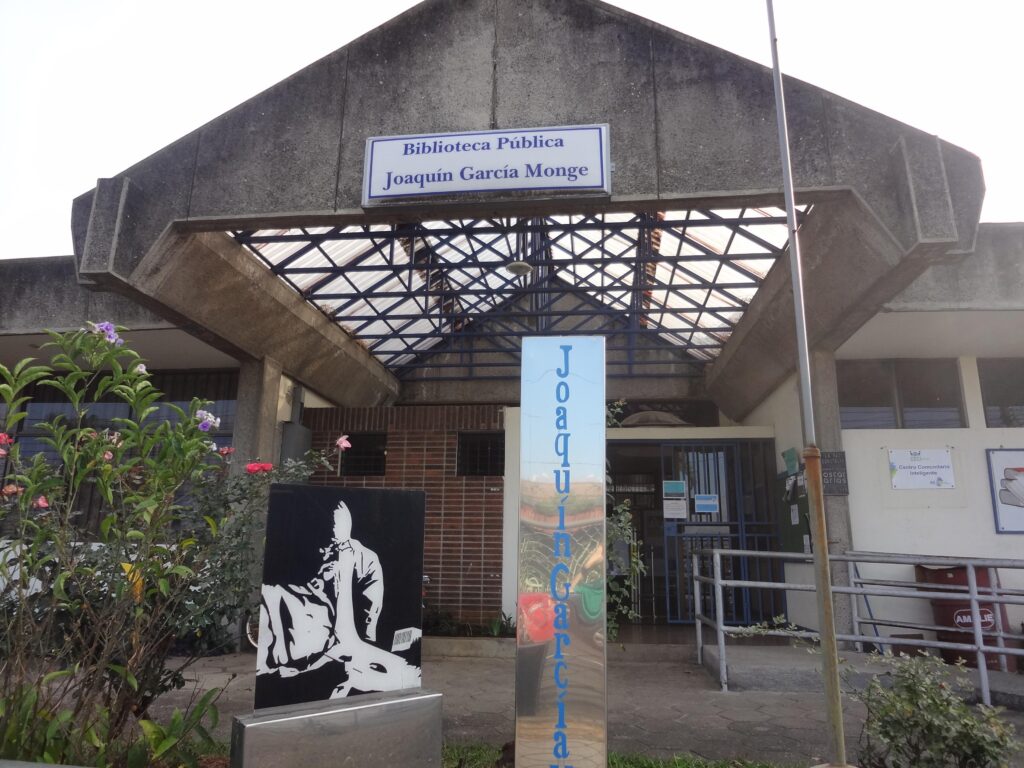
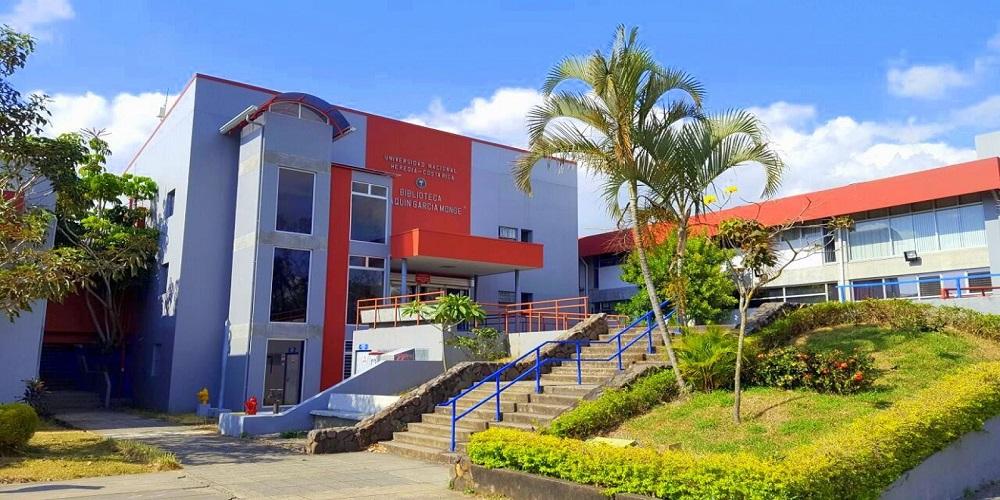
To prevent his crowning work from dying in oblivion after the closure of his printing press, a vitally important institutional rescue took place in 1974. His son, Dr. Eugenio García Carrillo, legally ceded the publication rights and the use of the name Repertorio Americano to the recently founded Universidad Nacional (UNA) in Heredia. In this way, the Institute of Latin American Studies (IDELA) became the custodian of the invaluable documentary collection published between 1919 and 1958, and inaugurated a new era for the journal, which continues to be published to this day under rigorous academic standards and in digital format, keeping alive the hallmark of cultural rapprochement among peoples. Likewise, as a permanent testimony to his role in the intellectual life of the country, the central library of the UNA on the Omar Dengo campus bears the name “Biblioteca Joaquín García Monge.”
The legacy of don Joaquín also lives on in his ethical model of “culture with austerity.” He demonstrated that exorbitant budgets are not required to transform society; armed with nothing more than an old typewriter, newspapers, scissors, glue, and an unwavering tenacity, he achieved a continental impact. This material austerity contrasted with the immense wealth of his pan-Americanist ideal and his unwavering defense of sovereignty, postulating that education and letters must be instruments for emancipating the civic intelligence and combating imperialism. His vision is today of undeniable relevance in the face of the challenges of contemporary mercantilism and consumerism.
At a distance, Joaquín García Monge stands not only as a builder of Costa Rican nationhood, but as the undisputed architect of continental consciousness. His historic 1921 speech before the National Monument, where he declared that “liberty must be conquered and reconquered continuously,” endures as a foundational text of Costa Rican civic identity. His life and his work demonstrated, in an exemplary manner, that culture is the most effective bridge between nations and that the word, used with integrity and dedication, is an indestructible force for the freedom of peoples.