Protests in Guanacaste against forest intervention
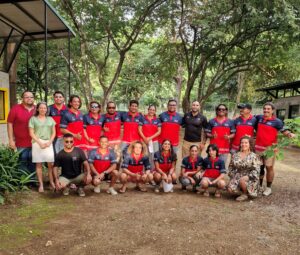
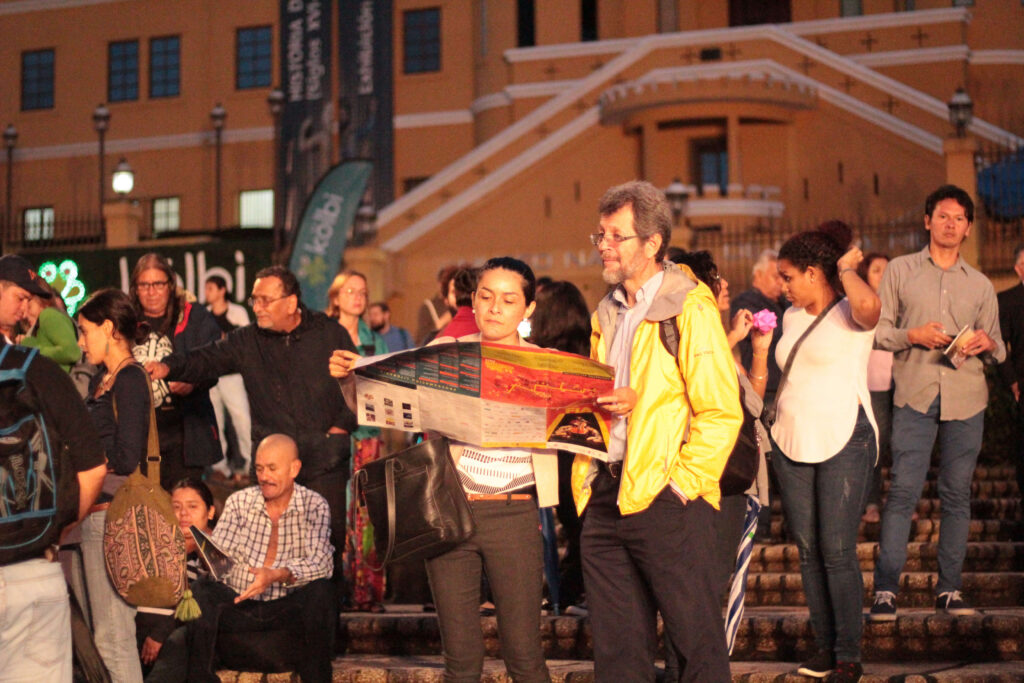
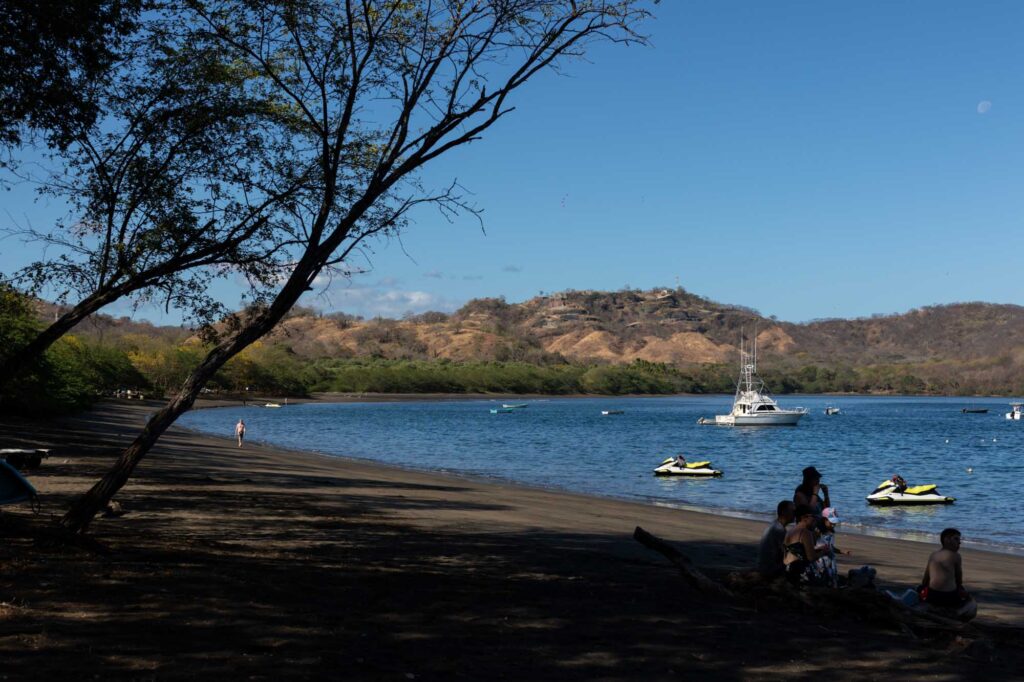
Several environmental organizations, community groups, and activists mobilized in Playa Panamá, in the province of Guanacaste, to express their opposition to a tree-felling permit linked to a tourism development project in the Papagayo Gulf Tourism Pole.
The protest arose after authorization was granted for the removal of hundreds of trees in the area, raising concerns about potential impacts on coastal ecosystems and water availability in a region already under strong tourism pressure.
Among the participating groups were local collectives such as Salvemos Playa Panamá, Salvémonos, and Antigentrificación Costa Rica, along with support from international environmental organizations.
Land-use conflict in Papagayo
The case takes place within the framework of the Papagayo Gulf Tourism Project, a state-regulated development zone where tourism concessions operate under specific legal frameworks.
The project under discussion has generated public debate due to the authorization of forest intervention in areas where tourism infrastructure is planned, which environmental groups interpret as additional pressure on sensitive ecosystems.
According to the Ministerio de Ambiente y Energía, tree-felling permits are granted based on technical studies and forest inventories that assess the condition of each tree before approval.
Environmental concerns and water resources
Organizations that protested in Playa Panamá warn that the reduction of forest cover could affect water capture and regulation in the region, a critical issue in Guanacaste, one of the most water-scarce areas in the country.
They also emphasize that coastal forests play essential ecological roles, including biodiversity protection, soil stabilization, and climate change mitigation in tourism-heavy zones.
Legal context and precautionary measures
The debate is taking place while the issue is under judicial review by the Sala Constitucional de Costa Rica, which has issued precautionary measures related to logging and construction permits in the Papagayo Tourism Pole.
These measures include a temporary suspension of authorizations while the constitutionality of regulatory reforms governing tourism development in the area is assessed.
Development versus conservation debate
The Playa Panamá case reflects a recurring tension in Costa Rica between tourism development and environmental conservation.
On one hand, the Papagayo concession model is promoted as an important economic driver for the region. On the other hand, environmental groups question the cumulative impact of urban expansion on highly biodiverse coastal ecosystems.
The discussion also highlights the principle of environmental non-regression and the need for comprehensive impact assessments in sensitive natural areas.
A conflict beyond the local level
Beyond the specific case, this situation reflects broader structural challenges in Costa Rica’s territorial management: tourism expansion, environmental protection, and community participation in decision-making.
Guanacaste, in particular, is experiencing rapid growth in tourism and real estate investment, increasing the need for strong and transparent environmental oversight mechanisms.
Official and reference sources
- Ministerio de Ambiente y Energía — forestry permits and environmental regulation
- Sistema Nacional de Áreas de Conservación — environmental management in protected and regulated areas
- Sala Constitucional de Costa Rica — rulings and precautionary measures on Papagayo
- Delfino.cr — coverage of Playa Panamá mobilizations