
Bocas del Toro, the vibrant island province of Panama, has recently made headlines due to a series of social unrest that has affected daily life and the tourism industry in the region. For many travelers planning a vacation in Costa Rica or already enjoying their stay, a question naturally arises: should I be concerned about what’s happening in Bocas del Toro?
In this article, we explore what is happening in Bocas del Toro, the impact on its tourism industry, and most importantly, why travelers vacationing in Costa Rica can feel at ease and enjoy their experience without concerns. Costa Rica remains a safe, stable, and open destination for travelers, even as the situation unfolds across the border.
What is happening in Bocas del Toro?
In recent weeks, Bocas del Toro has become the scene of massive protests against Law 462, a reform to Panama’s pension system that has sparked discontent among banana workers, indigenous communities, educators, and other social sectors. The situation escalated into demonstrations with road blockades, public infrastructure fires, looting of local businesses, and clashes with police forces.
The Panamanian government declared a state of emergency in the province, suspending certain constitutional guarantees and increasing the presence of security forces to restore order. The protests have mainly affected areas such as Changuinola and the mainland parts of Bocas del Toro, with reports of road closures and blockades at key points in the province.
These tensions have created uncertainty for residents and visitors in Bocas del Toro, directly impacting commerce and daily life for those who depend on stability in the region for their livelihoods.

Impact on Panama’s tourism
Bocas del Toro’s local economy is heavily dependent on tourism, with estimates indicating that up to 95% of its income is linked to tourism activities. The recent protests have led to the temporary closure of businesses, a halt in tourism activities, and a sharp drop in visitor arrivals, directly affecting hotels, restaurants, and tour operators across the islands and the mainland.
The Changuinola airport has faced blockades and occupations, limiting domestic flight operations, while road connectivity has been disrupted in several areas due to the protests. As a result, many travelers have had to modify or cancel their travel plans to Bocas del Toro, causing significant economic losses in a region that relies heavily on the consistent flow of tourists.
Despite these challenges, it is important to highlight that the situation is confined to Panama and does not affect tourist destinations in Costa Rica, which we will address next so you can plan your stay with confidence.

Should I be concerned if vacationing in Costa Rica?
While the crisis in Bocas del Toro has significantly impacted Panama’s tourism activities, it does not affect travelers vacationing in Costa Rica. The areas of conflict are located within Panamanian territory, several kilometers away from Costa Rica’s tourist areas, and there have been no reports of incidents involving tourists or communities on the Costa Rican side of the border.
The border crossing between Costa Rica and Panama at Sixaola–Guabito remains open for travelers who plan to cross with prior arrangements and updated information, although many visitors prefer to remain in Costa Rica’s Caribbean while the situation continues in Bocas del Toro.
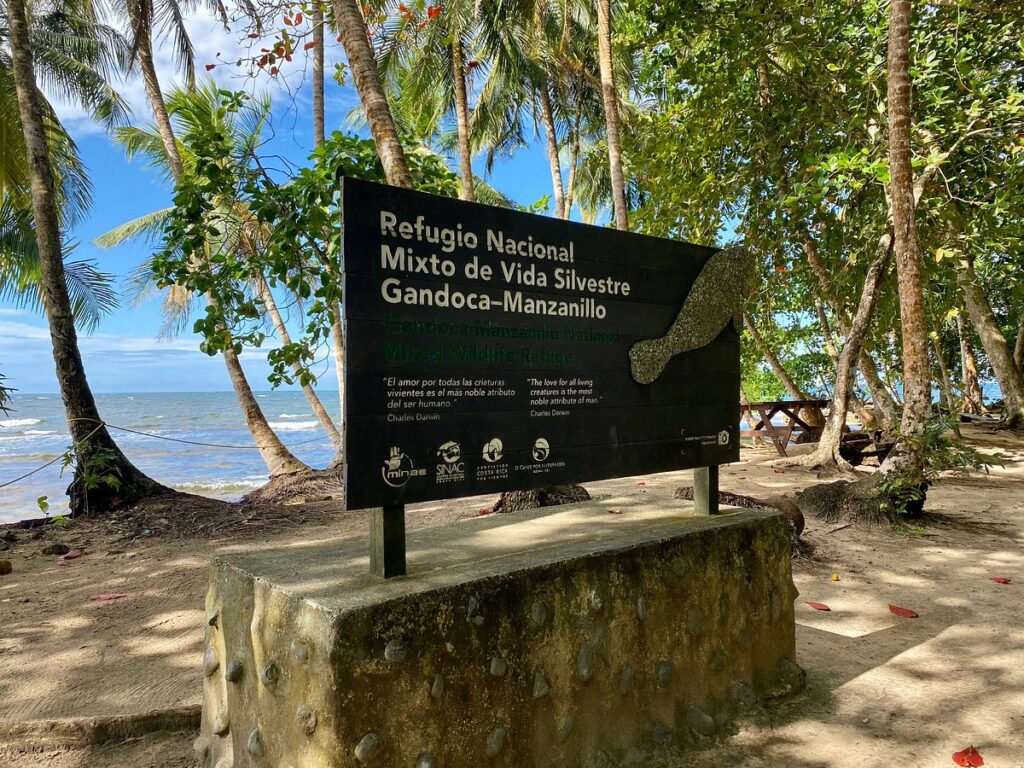
Tourist destinations in Costa Rica, including Puerto Viejo, Cahuita, Manzanillo, and Tortuguero, continue to receive visitors as usual, with transportation, lodging, and tour services operating steadily. Costa Rican authorities have not issued travel alerts related to the unrest in Panama, and the tourism infrastructure in Costa Rica’s Caribbean remains active and safe for visitors.
In summary, the situation in Bocas del Toro does not pose a concern for those choosing Costa Rica as their destination, as the country remains calm, stable, and fully prepared to welcome travelers looking to enjoy its beaches, jungles, and warm hospitality without disruptions.
Why Costa Rica remains a safe destination
Costa Rica continues to be one of the most stable and safe destinations in the region, with a long-standing tradition of peace, hospitality, and openness to tourism. Although the events in Bocas del Toro may raise concerns for some travelers, it is important to remember that Costa Rica maintains excellent diplomatic and friendly relations with Panama, built on respect, cooperation, and mutual trade, which ensures an orderly and coordinated border between both countries.
The areas affected by unrest in Bocas del Toro are confined within Panama, while Costa Rica’s Caribbean tourist destinations remain calm, with local communities welcoming visitors as usual. In addition to the geographical distance separating the affected areas from Costa Rica’s main attractions, the country’s political and social stability allows travelers to enjoy their experience with confidence, without disruptions to transportation, services, or safety.
Costa Rica has invested in high-quality tourism infrastructure, ensuring that airports, roads, and services operate reliably. Routes to destinations such as Puerto Viejo, Cahuita, Manzanillo, and Tortuguero are in excellent condition and continue to be favored by those seeking nature, Caribbean culture, and tranquility.
The hospitality of Costa Rica also reflects the bonds of friendship between the people of Costa Rica and Panama, creating a welcoming experience for those visiting Costa Rica’s Caribbean while maintaining respect and cooperation on border matters. This environment of mutual respect and openness provides a stable setting for travelers, even when isolated situations occur in neighboring regions.
For these reasons, Costa Rica remains a safe, reliable destination ready to welcome those looking to explore its biodiversity, culture, and beaches while enjoying a worry-free vacation.

Recommendations for tourists in Costa Rica
If you are planning or currently enjoying a vacation in Costa Rica, here are clear recommendations to ensure a smooth, stress-free experience while unrest persists in Bocas del Toro:
- Stay informed: Check reliable sources and updates from local media or the Costa Rican Tourism Institute to stay aware of border conditions if planning to cross into Panama.
- Avoid unplanned crossings into Panama: If your itinerary includes Bocas del Toro, verify road and airport statuses on the Panamanian side before arranging transportation. Consider postponing or adjusting your Panama visit while protests continue.
- Enjoy Costa Rica’s Caribbean: The beaches and jungles of Costa Rica’s Caribbean, including Puerto Viejo, Manzanillo, Cahuita, and Tortuguero, offer a vibrant and safe alternative with great food, rich nature, and diverse activities.
- Purchase travel insurance: This is always advisable, providing protection in case of itinerary changes or medical emergencies during your stay.
- Take advantage of local activities: Costa Rica offers surfing, hiking, nature tours, cultural activities, and local cuisine in the Caribbean, allowing you to enjoy a complete vacation without needing to cross borders.
- Trust responsible local operators: If you need assistance adjusting your plans, established local operators like Green Circle Experience or reputable agencies can help reorganize transportation or tours so you can make the most of your time in Costa Rica.
These recommendations will help you enjoy a calm, safe, and authentic travel experience while staying informed and prepared for any external changes in the region.
The situation in Bocas del Toro is a localized social crisis within Panamanian territory, driven by discontent over internal reforms, and while it has significantly impacted that province’s tourism industry, it does not pose a threat to travelers vacationing in Costa Rica.
Costa Rica remains a safe destination with political, social, and tourism stability, offering reliable infrastructure and coastal communities ready to welcome visitors with the warmth that characterizes the country. The excellent diplomatic and people-to-people relations between Costa Rica and Panama ensure that the border operates normally and without tensions.
If you are considering or currently enjoying a vacation in Costa Rica, you can do so confidently, exploring its Caribbean beaches, jungles, culture, and nature without concerns related to the ongoing events in Bocas del Toro.
Staying informed, supporting local communities, and maintaining a responsible attitude are the keys to making the most of your Costa Rica experience while positively contributing to the destination you are visiting.