An initiative to strengthen the future of surfing
The coastal communities of Jacó and Nosara are strengthening their capacities to promote a model of surfing development that combines sporting activity, environmental protection and local economic opportunities.
The initiative is part of the “Surf Ecosystem Management and Blue Economy” project, which involves the Costa Rican Institute of Sport and Recreation (ICODER), Conservation International Costa Rica, Save The Waves Coalition and AETHLOS S.A.
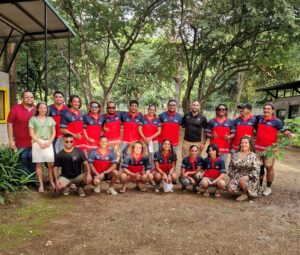
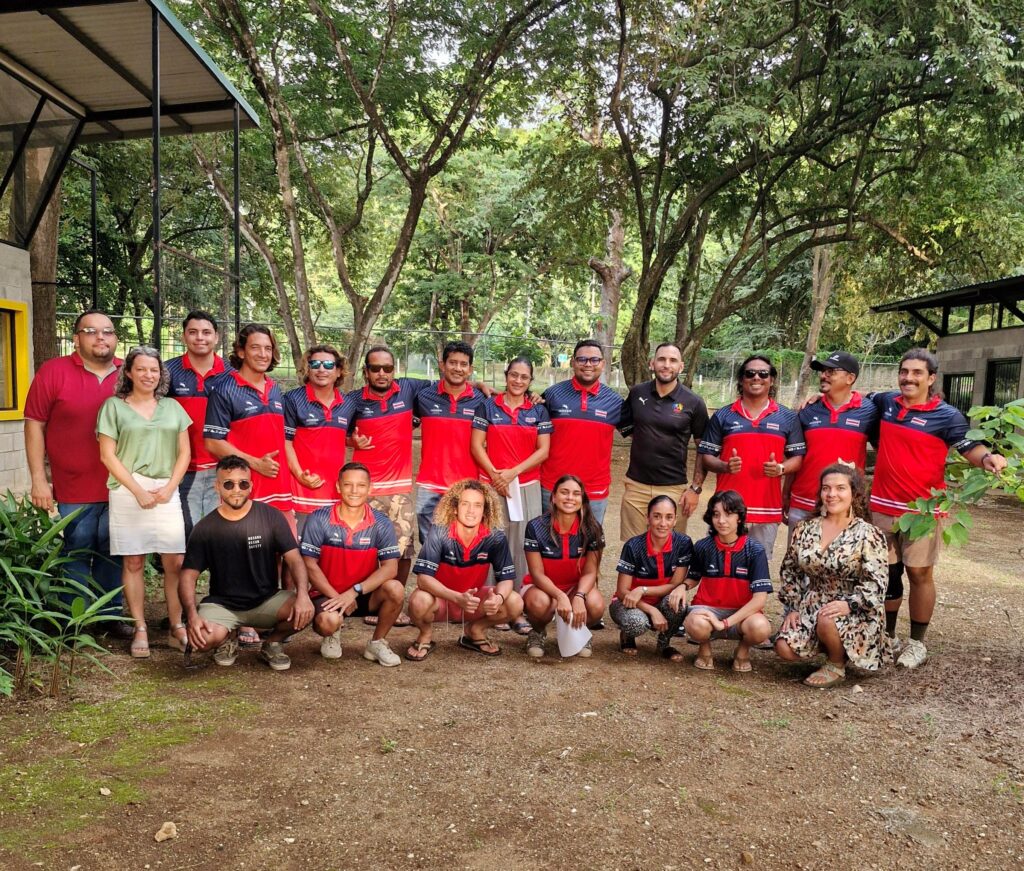
According to ICODER, which reported on the initiative on October 21, 2026, the training sessions took place on October 13 and 15 and brought together 39 participants involved in surfing and the communities of both destinations.
The activities covered topics such as physical and environmental education, METs (metabolic equivalents used to estimate the intensity of physical activity), planning, performance measurement and the sustainable management of ecosystems associated with surfing.
The objective is to strengthen the capacities of the people and organizations involved in this sector while promoting a development approach to tourism that takes into account both community needs and the conservation of natural environments.
What are surf ecosystems?
Surfing depends on much more than waves. The conditions that make this sport possible are linked to the functioning of various natural elements, including seabeds, reefs, currents, beaches and coastal ecosystems.
For this reason, the concept of “surf ecosystems” proposes managing these areas while taking into account their sporting, environmental and economic value.
The initiative seeks to connect the protection of marine and coastal environments with the communities and activities that depend on them. This includes not only surfers, but also surf schools, accommodation providers, restaurants, tour operators and other local businesses.
In November 2025, ICODER and Conservation International Costa Rica organized the first National Surf Ecosystems Forum, with the participation of the Ministry of Environment and Energy, through the National System of Conservation Areas (SINAC), as well as representatives from the public sector, private sector and local communities.
During the meeting, participants highlighted the importance of developing management tools that help conserve biodiversity and maintain the functioning of the ecosystems that make surfing possible.
Jacó and Nosara, two destinations where surfing is part of the local economy
Jacó, in the canton of Garabito, Puntarenas Province, and Nosara, in the canton of Nicoya, Guanacaste, are two coastal destinations closely associated with surfing.
In both places, this sport forms part of a tourism industry that creates opportunities for various economic sectors. Surf schools, accommodation providers, restaurants, shops and transport services benefit from the arrival of visitors interested in water sports and beach activities.
In Nosara, the relationship between surfing and local identity has also gained institutional recognition. The Municipality of Nicoya has recognized the economic, environmental, cultural, sporting, recreational and tourism value of this activity for the canton.
This recognition reflects the importance of viewing surfing as more than a sporting activity: it can also contribute to employment, the development of small businesses and the international visibility of coastal communities.
However, tourism growth also requires appropriate planning to prevent pressure on beaches, natural resources and local services from compromising the quality of the environment on which this activity depends.
Marine conservation as part of economic development
One of the initiative’s main objectives is to demonstrate that nature conservation and economic development can progress together.
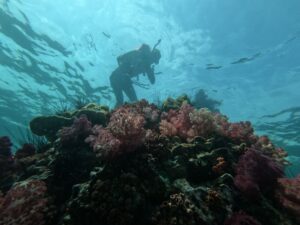
Reefs, seabeds, mangroves and other coastal ecosystems play important roles in biodiversity. Their conservation can also help preserve the landscapes, environmental conditions and natural resources that attract domestic and international visitors.
In this context, the sustainable management of surf ecosystems aims to enable communities to benefit from tourism without damaging the places that make it possible.
The initiative is linked to the concept of the blue economy, which promotes the responsible use of marine and coastal resources to create economic opportunities while respecting the ecological limits of these environments.
The regional project is funded by the Global Environment Facility (GEF), implemented by the United Nations Industrial Development Organization (UNIDO) and executed by Conservation International, in collaboration with Save The Waves Coalition and other participating organizations.
In Costa Rica, the Ostional and Playa Hermosa-Punta Mala National Wildlife Refuges were selected as pilot sites for developing this management model.
Training, collaboration and community participation
The sessions held in Jacó and Nosara focused on strengthening the capacities of those involved in the surfing ecosystem. The training included planning tools, environmental education and performance evaluation, with the aim of improving the organization and management of local initiatives.
Cooperation between public institutions, environmental organizations, businesses and community stakeholders is an essential part of the project.
This collaboration makes it possible to exchange knowledge, identify needs and develop strategies suited to the characteristics of each area. It can also help ensure that the benefits generated by tourism and surfing are shared among different local economic stakeholders.
Continuing these activities will be important to determine how the training translates into concrete improvements in conservation, tourism management and economic opportunities for local communities.
Ostional and Playa Hermosa-Punta Mala, two key locations for the project
The two pilot sites selected for this initiative contain ecosystems of considerable environmental importance.
The Ostional National Wildlife Refuge, in Guanacaste, protects beaches and marine areas that are essential to the reproduction of the olive ridley sea turtle (Lepidochelys olivacea). According to SINAC, the refuge covers approximately 468 hectares of land and 8,000 hectares of marine areas.
The Playa Hermosa-Punta Mala National Wildlife Refuge, on the central Pacific coast, is associated with an area known for surfing and the tourism activities that take place in its surroundings.
Selecting these two sites makes it possible to examine the relationship between surfing, biodiversity conservation and economic activities in different coastal settings.
The challenge is to develop management mechanisms that preserve the ecological value of these areas while supporting the communities that depend on them.
Towards a more sustainable surfing model
Strengthening capacities in Jacó and Nosara is part of a broader effort to integrate sport, conservation and local development into the management of coastal areas.
The October 2026 sessions represent one step in this process, which seeks to improve collaboration among different stakeholders and promote a long-term vision for surfing destinations.
The initiative’s impact will depend on the continuity of these activities, the application of the knowledge acquired and the ability of institutions and communities to work together.
Beyond attracting visitors, the objective is for surfing to contribute to the local economy while maintaining the health of the marine and coastal ecosystems that sustain this activity.
Sources
- Costa Rican Institute of Sport and Recreation (ICODER). “Jacó and Nosara Strengthen Capacities for the Sustainable Development of Surfing.” October 21, 2026.
- Costa Rican Institute of Sport and Recreation (ICODER). “National Surf Ecosystems Forum.” November 21, 2025.
- Municipality of Nicoya. “Nicoya: First Municipality to Declare Surfing an Activity of Economic and Cultural Interest.”
- National System of Conservation Areas (SINAC). Institutional information on the Ostional National Wildlife Refuge.
- National System of Conservation Areas (SINAC). Management plan for the Playa Hermosa-Punta Mala National Wildlife Refuge.
- Costa Rican Tourism Institute (ICT). Institutional information on sustainable tourism and the conservation of natural resources.
- United Nations Industrial Development Organization (UNIDO). Institutional information on the regional initiative for surf ecosystem management and the blue economy.
- Global Environment Facility (GEF). Institutional information on funding for conservation and blue economy initiatives.