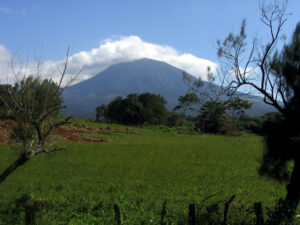
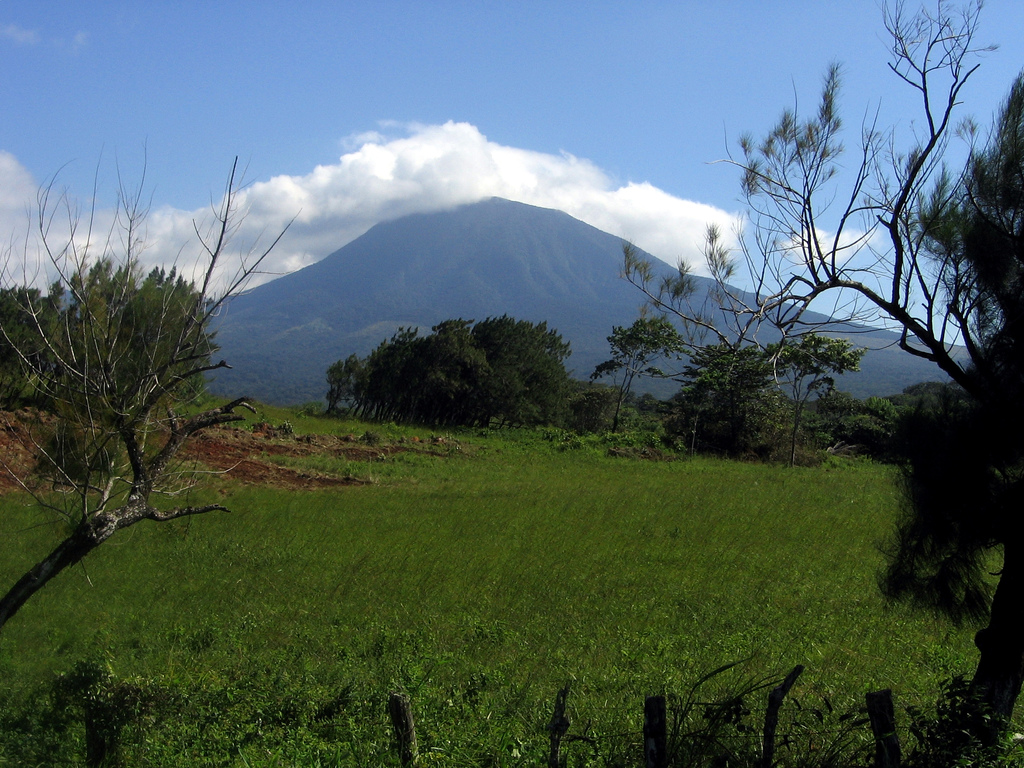
The Rincón de la Vieja volcano, located between the provinces of Guanacaste and Alajuela, recorded a new eruption on Wednesday, August 19, 2026, according to information from the Costa Rican Volcanological and Seismological Observatory (OVSICORI-UNA).
The event occurred at approximately 10:50 a.m. and lasted about one minute. Due to the cloud cover over the volcano at the time, the height of the eruptive column could not be directly observed. The event was identified through the observatory’s seismic and acoustic monitoring systems.
Volcanic Activity Remains Under Close Observation
The new eruption comes during a period of recurring activity at Rincón de la Vieja. OVSICORI has recorded numerous eruptions in recent weeks, primarily involving phreatic activity.
The volcano recorded five eruptions within a 24-hour period earlier in August, while OVSICORI reported that activity had remained frequent since July. Specialists have also been monitoring increased sulfur dioxide emissions, which have remained above the baseline levels recorded earlier in the year.
As a result of the increase in activity, the volcano’s alert level was raised from Level 2, Warning, to Level 3, Precaution.
What Is a Phreatic Eruption?
Phreatic eruptions occur when heat from a volcanic system causes water inside the volcanic structure to rapidly expand or vaporize. This can produce explosions that release water, steam, gases and previously existing volcanic material.
This type of activity does not necessarily mean that new magma is reaching the surface. For this reason, monitoring parameters such as seismic activity, volcanic tremors, gases and other changes is essential to understanding how the volcano is evolving.
Frequent Activity Has Been Recorded Since July
The recent activity is part of a broader period of increased volcanic activity.
According to monitoring reported by OVSICORI in August, dozens of phreatic eruptions had been recorded since the beginning of July. Some of these events generated lahars, flows of water, sediment and volcanic material that moved through rivers on the northern flank of the volcano.
On August 11, for example, two energetic phreatic eruptions occurred only eight minutes apart. Associated plumes reached approximately 1,000 meters above the crater, while a small lahar was also reported.
Monitoring Seismic Activity, Gases and Other Indicators
Monitoring Rincón de la Vieja involves several types of measurements.
OVSICORI uses seismic and acoustic stations, gas monitoring equipment, cameras and field observations to detect changes in the volcano’s behavior.
This system allows specialists to identify volcanic events even when weather conditions prevent direct visual observation.
In the case of the August 19 eruption, seismic and acoustic instruments confirmed the event because cloud cover prevented direct observation.
The Risk of Lahars
One of the phenomena receiving particular attention from scientists is the possibility of lahars.
Lahars are flows made up of water, sediment and volcanic material that can move through rivers and drainage channels surrounding a volcano.
At Rincón de la Vieja, some recent eruptions have generated these flows on the northern side of the volcano. Scientists pay particular attention to them during the rainy season because large amounts of water can facilitate the movement of volcanic sediments.
An Active Volcano in Northwestern Costa Rica
Rincón de la Vieja is one of Costa Rica’s historically active volcanoes.
The volcano is a complex stratovolcano located in northwestern Costa Rica, between the provinces of Guanacaste and Alajuela. Its activity includes eruptions, fumarolic activity and hydrothermal phenomena.
The volcano is also part of the protected natural area surrounding Rincón de la Vieja National Park, an important ecological and tourism destination in the region.
Activity Continues to Be Monitored
The August 19 eruption alone does not make it possible to determine how the volcano’s activity will evolve over the coming days.
Volcanic behavior can change over time, which is why specialists analyze several indicators together, including the frequency and characteristics of eruptions, seismic activity, tremors and gas emissions.
OVSICORI continues to monitor the volcano and reports significant changes in its behavior through its official monitoring channels. Recent observations indicate that the volcanic activity remains under close scientific surveillance.
Recommendations During Volcanic Activity
Areas surrounding an active volcano can be exposed to different hazards, even when an individual eruption is relatively short.
Potential hazards include volcanic gases, ash or other materials, lahars and sediment flows through nearby waterways.
People living, working or visiting areas around Rincón de la Vieja should follow official recommendations from scientific institutions and emergency authorities and avoid relying solely on information circulating on social media.
Official and Reference Sources
The main scientific information for this article comes from the Costa Rican Volcanological and Seismological Observatory (OVSICORI-UNA), which monitors volcanic and seismic activity in Costa Rica.
Recent reporting confirms that Rincón de la Vieja has remained active, with repeated eruptions and increased gas emissions during August 2026.