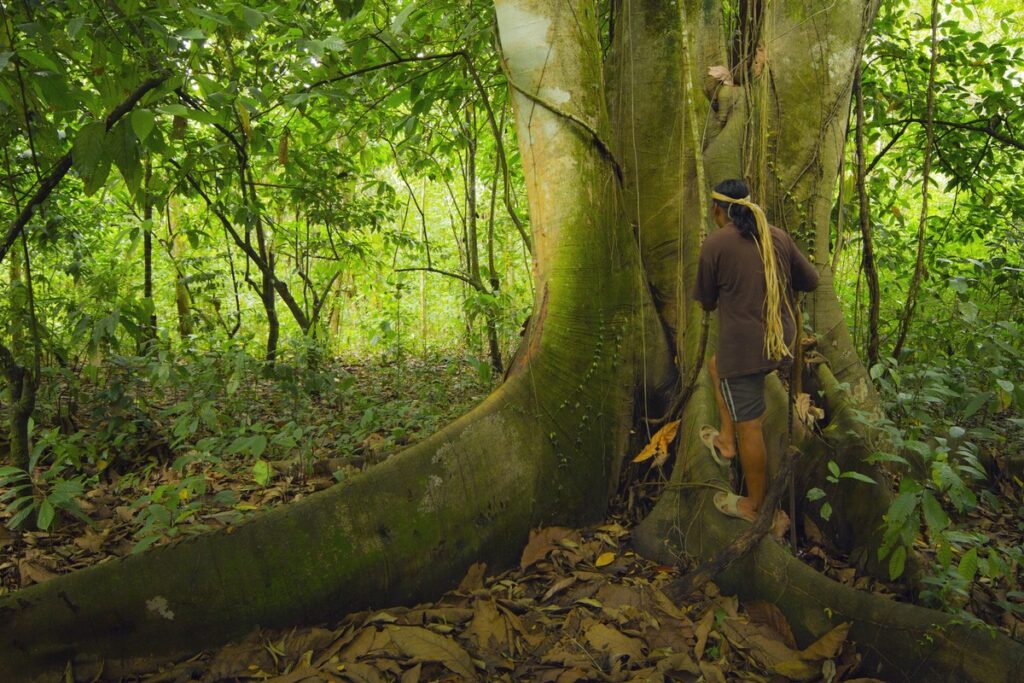
A tourism project impacting the Maleku Indigenous Territory
An investment of 508 million colones aims to strengthen tourism activity in the Maleku Indigenous Territory in Costa Rica’s Northern Zone. The main objective of the project is to promote community-based tourism as a tool for economic development, while preserving the cultural identity, traditions, and heritage of the Maleku people.
The initiative is part of broader efforts to promote a sustainable tourism model based on the direct participation of Indigenous communities in the management of their cultural and natural resources.
The Maleku people and their cultural richness
The Maleku Indigenous people are one of the eight recognized Indigenous groups in Costa Rica. Their territory is mainly located in the Guatuso region, in the province of Alajuela, and includes three main communities: Palenque Margarita, Palenque Tonjibe, and Palenque El Sol.
Maleku culture is characterized by its native language, spiritual worldview, and close relationship with nature. Oral traditions, craftsmanship, ancestral medicine, and ceremonial practices are key elements of their cultural identity.
Community-based tourism as a development tool
Community-based tourism in Indigenous territories seeks to generate direct economic benefits for local communities while promoting the protection of cultural and natural heritage.
This model allows residents of the territory to directly manage tourism activities such as guided tours, handicraft sales, traditional cuisine, and cultural experiences.
Key objectives include:
- Generating sustainable income for Indigenous families
- Strengthening cultural and linguistic identity
- Promoting environmental conservation
- Encouraging responsible cultural exchange
- Reducing intermediaries in the tourism value chain
Investment and local development
The announced investment aims to improve tourism infrastructure, strengthen community organizational capacity, and increase the visibility of the territory as a cultural and ecological destination.
Such projects often include improvements in trails, visitor centers, cultural signage, training in tourism management, and national and international promotion.
The goal is to ensure that economic development does not lead to cultural loss, but instead reinforces cultural identity as a central value of the tourism experience.
Indigenous heritage and cultural protection
Indigenous territories in Costa Rica are legally protected under national legislation and international agreements. These recognize Indigenous peoples’ rights to maintain, control, and develop their cultural heritage.
Indigenous cultural heritage includes not only material elements but also traditional knowledge, spiritual practices, languages, and systems of social organization.
Tourism development in these areas must respect principles of consent, community participation, and cultural sustainability.
Challenges of tourism in Indigenous territories
While community tourism can generate significant benefits, it also presents challenges that must be carefully managed.
Key challenges include:
- Avoiding excessive commercialization of culture
- Ensuring fair community participation
- Protecting sensitive traditional knowledge
- Maintaining local control over tourism activities
- Preventing environmental impacts within the territory
Balancing economic development and cultural preservation is essential in such initiatives.
An evolving model of sustainable tourism
Costa Rica has long promoted a sustainable tourism model based on environmental conservation and social inclusion. The integration of Indigenous territories into the national tourism offering represents an extension of this approach.
When properly implemented with respect and planning, community tourism can become an important tool for economic autonomy and cultural recognition of Indigenous peoples.
Official sources consulted
Ministry of Culture and Youth of Costa Rica (MCJ)
Costa Rican Tourism Board (ICT)
National Commission on Indigenous Affairs (CONAI)
ILO Convention 169 on Indigenous and Tribal Peoples
UNESCO – Intangible Cultural Heritage and Indigenous Peoples
National System of Conservation Areas (SINAC)