A proposal to address extraordinary water supply situations
The Ministry of Environment and Energy (MINAE) and the Costa Rican Institute of Aqueducts and Sewers (AyA) support a reform proposal that would allow the construction and operation of water wells within State Natural Heritage areas only under exceptional circumstances and strict technical and environmental conditions.
The initiative arises in the context of growing challenges in ensuring potable water supply in certain communities, particularly during drought periods, population growth, or emergency situations.
According to authorities, the proposal is not intended to weaken environmental protection, but rather to establish an exceptional mechanism to respond to critical water supply needs when no viable alternatives exist outside protected areas.
What is State Natural Heritage?
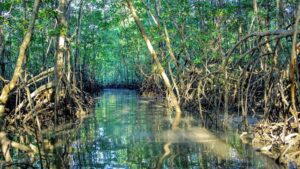
State Natural Heritage consists of lands and ecosystems with high environmental, ecological, and hydrological value. These areas play essential roles in biodiversity conservation, watershed protection, and regulation of the water cycle.
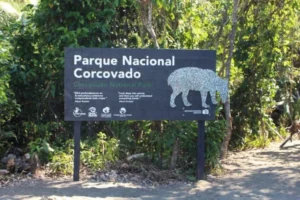
In Costa Rica, these spaces include forests, aquifer recharge zones, wetlands, national parks, biological reserves, and other protected areas managed under different conservation categories.
Current legislation establishes strict limitations on activities allowed within these territories to ensure long-term protection of natural resources.
What does the reform propose?
The proposal states that drilling wells within natural heritage areas would only be authorized when it is technically demonstrated that:
- There is a clearly justified public need
- No alternative water sources exist outside the protected area
- Technical studies confirm no significant environmental damage will occur
- All requirements under environmental legislation are met
- Authorizations are granted through exceptional, fully justified procedures
The aim is to maintain environmental protection while providing a legal mechanism for extraordinary water supply situations.
The importance of protecting water sources
Protected areas play a fundamental role in safeguarding the country’s water resources. Forests support groundwater recharge, regulate river flows, and help maintain water quality used by thousands of people.
For this reason, any intervention within these territories requires rigorous environmental studies and careful assessment of potential impacts.
Sustainable water management is one of the key challenges in the face of urban growth, climate change, and rainfall variability.
Balancing conservation and water supply
The debate surrounding this proposal reflects one of the central challenges of modern environmental governance: balancing ecosystem protection with the need to guarantee essential public services.
Authorities argue that the reform maintains the principle of exceptionality and that each case must be individually evaluated based on scientific, environmental, and legal criteria.
Environmental groups, however, stress that any changes affecting natural heritage must be carefully assessed to avoid precedents that could weaken long-term conservation efforts.
The role of integrated water management
Water resource management requires integrated planning that combines watershed conservation, aquifer monitoring, protection of recharge zones, and efficient water use.
Experts agree that strengthening sustainable water management involves both ecosystem protection and the development of adequate infrastructure to meet growing demand.
In this context, decisions about new water sources must be based on scientific studies, territorial planning, and environmental impact assessments.
A debate with long-term implications
The discussion around this reform highlights the importance of balancing access to drinking water with the conservation of natural heritage.
Any legal changes must consider both community water security and the protection of ecosystems that ensure water availability for future generations.
Official sources consulted
Ministry of Environment and Energy of Costa Rica (MINAE)
Costa Rican Institute of Aqueducts and Sewers (AyA)
National System of Conservation Areas (SINAC)
Water Directorate of MINAE
Attorney General’s Office of Costa Rica (legal opinions on natural heritage)
UNESCO Intergovernmental Hydrological Programme (IHP)