
The Costa Rican Tourism Board (ICT) launched “The Picadillo Route” as part of its strategy to promote traditional cuisine as a travel motivator and a way to diversify the country’s tourism offerings. The initiative consists of a series of content pieces and activities that place picadillo at the center of the experience, connecting visitors with traditional cooks, local products, and rural landscapes across each region of the country.
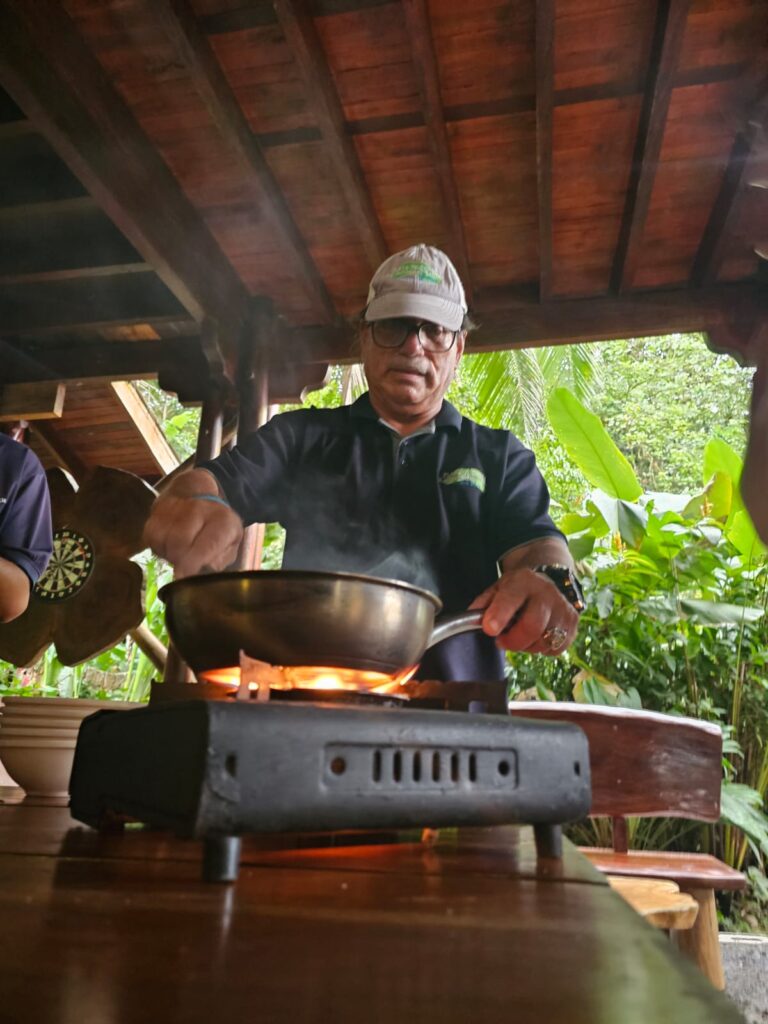
For nearly two months, Costa Rican chef Carlos Alpízar traveled across the country’s seven provinces to prepare different versions of picadillo alongside local cooks, using ingredients native to each region while documenting the entire process in an audiovisual format designed to inspire both Costa Rican residents and international visitors.
A project born from “Costa Rica: A Country of Flavors to Discover”
“The Picadillo Route” is part of the communication strategy “Costa Rica: A Country of Flavors to Discover,” launched in 2022 by the ICT to position the country as a destination where local cuisine plays an essential role in the travel experience. This strategy aims to encourage more people to explore the country motivated by the desire to discover products, recipes, stories, and gastronomic traditions, while also contributing to the economic development of communities outside traditional tourist circuits.
Within this vision, gastronomy is also aligned with the National Plan for Sustainable and Healthy Costa Rican Gastronomy, a framework document developed by the ICT that promotes the use of local ingredients, traditional recipes, and environmentally responsible and healthy cooking practices. Initiatives such as the Picadillo Route help bring this strategic framework to life by giving visibility to the people who cook, grow, and transform food in different regions of the country.
What is a picadillo and why it matters in Costa Rica
Picadillo is a traditional Costa Rican dish made from small diced vegetables, tubers, or green fruits, often combined with meat, seasoned, and typically served over handmade corn tortillas. In Costa Rican homes, picadillo commonly appears at lunch or dinner, often as part of a casado, accompanied by rice, beans, and salads. It is strongly associated with family cooking, particularly the recipes passed down by grandmothers, and with rural daily life.
Beyond the recipe itself, picadillo represents the ability to make use of what the land provides during each season. Ingredients such as chayote, arracacha, potatoes, green plantain, green beans, tacaco, and many others reflect the diversity of local agriculture. This dish also embodies family histories, culinary traditions transmitted across generations, and a deep sense of Costa Rican culinary identity.
An audiovisual journey across the seven provinces
The Picadillo Route is primarily presented through a series of audiovisual pieces that showcase the preparation of seven different picadillos, each linked to a specific province and its characteristic ingredients. In each episode, the invited chef travels to particular communities, cooks alongside local residents, and highlights their knowledge, techniques, and stories surrounding food.
According to the ICT, the videos are published weekly on the institution’s official channels, including YouTube, Facebook, Instagram, and TikTok, with the aim of reaching both national and international audiences seeking inspiration for future travel.
This audiovisual approach allows viewers to see not only the final dish but also the markets, farms, wood-fired kitchens, sodas, and restaurants with local culinary proposals where these gastronomic experiences take place every day.
Picadillos, local products, and territories
Each stop along the Picadillo Route highlights ingredients typical of the region, connecting the dish with local agricultural landscapes and cultural traditions. In highland areas, picadillos may feature potatoes, arracacha, or cabbage, while warmer regions often highlight ingredients such as green plantains, chayote, or pejibaye, always prepared using traditional recipes adapted to each context.
This emphasis on the origin of ingredients aligns with the National Plan for Sustainable and Healthy Costa Rican Gastronomy, which promotes value chains where small producers, farmers’ markets, artisanal fishers, and rural entrepreneurs benefit from tourism activity.
For visitors, understanding the background of these ingredients adds another layer of meaning to each meal and creates opportunities for community-based rural tourism, farm visits, and direct purchases from local producers.
Gastronomic tourism as a driver of local development
Initiatives like the Picadillo Route aim to encourage people to travel not only to eat well but also to better understand the country and support the communities that welcome visitors.
The ICT has emphasized that gastronomy is a key component in differentiating Costa Rica as a travel destination, complementing its well-known attractions related to nature and adventure.
Gastronomic tourism also helps distribute tourism benefits more evenly by attracting visitors to cantons and districts that receive fewer tourists, where family kitchens, sodas, and small restaurants are ready to welcome new guests.
In this way, picadillos become a delicious excuse to discover towns, scenic routes, and cultural experiences that do not always appear in traditional travel catalogs.
Where to follow the Picadillo Route and get inspired to travel
“The Picadillo Route” can be followed through the official platforms of the Costa Rican Tourism Board (ICT), where the episodes and complementary content of the campaign “Costa Rica: A Country of Flavors to Discover” are published.
The videos are available on the ICT’s YouTube channel, as well as its Facebook page, Instagram profile, and TikTok account, making it easy for different audiences to discover these culinary stories.
For travelers planning a visit, each episode can serve as a guide to building itineraries that combine visits to markets, sodas, farmers’ markets, farms, and local businesses with experiences related to nature, culture, and wellness.
By following the path of the Picadillo Route, both residents and visitors can discover a Costa Rica filled with everyday flavors, real people, and living stories behind every dish.
Official and reference sources
Costa Rican Tourism Board (ICT), communication on “The Picadillo Route”.
Costa Rican Tourism Board (ICT), National Plan for Sustainable and Healthy Costa Rican Gastronomy (institutional document available on the ICT official website).
ICT International Promotion Office, article promoting Costa Rican gastronomy as a tourism attraction.
Official Facebook page of the Costa Rican Tourism Board, posts announcing and promoting the Picadillo Route.
The Tico Times, article “ICT Starts Picadillo Route to Spice Up Costa Rica Tourism.”
La Nación, article covering the launch of “La ruta del picadillo.”
El Observador, report on the audiovisual culinary journey.
Trece Noticias (Sinart), coverage highlighting Costa Rican picadillos.
Ticoslandia, article about the national picadillo tour.