The Capital Advances a Strategy to Reduce Urban Heat
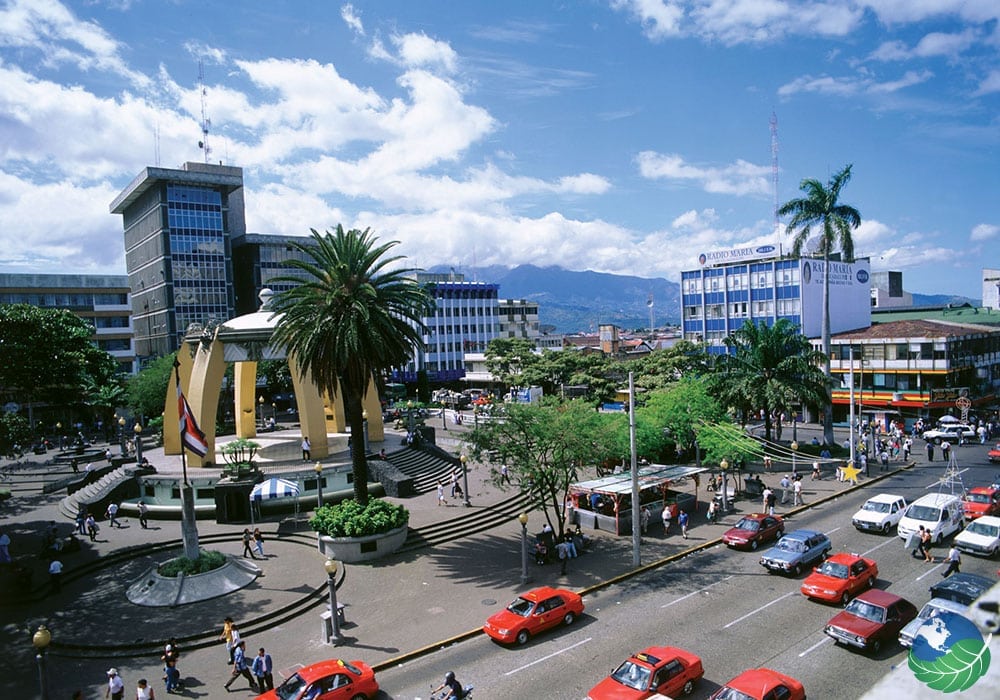
As urban growth and rising temperatures linked to climate change continue to challenge cities worldwide, San José is strengthening its efforts to become a greener and more resilient capital. One of the most notable initiatives involves the planting of approximately 3,000 trees throughout different areas of the city, a measure designed to improve residents’ quality of life, increase shaded spaces, and naturally regulate urban temperatures.
This initiative forms part of a broader vision for sustainable urban development, where green spaces are no longer viewed simply as decorative elements but as essential infrastructure that contributes to environmental health and public well-being.
Why Plant More Trees in a City?
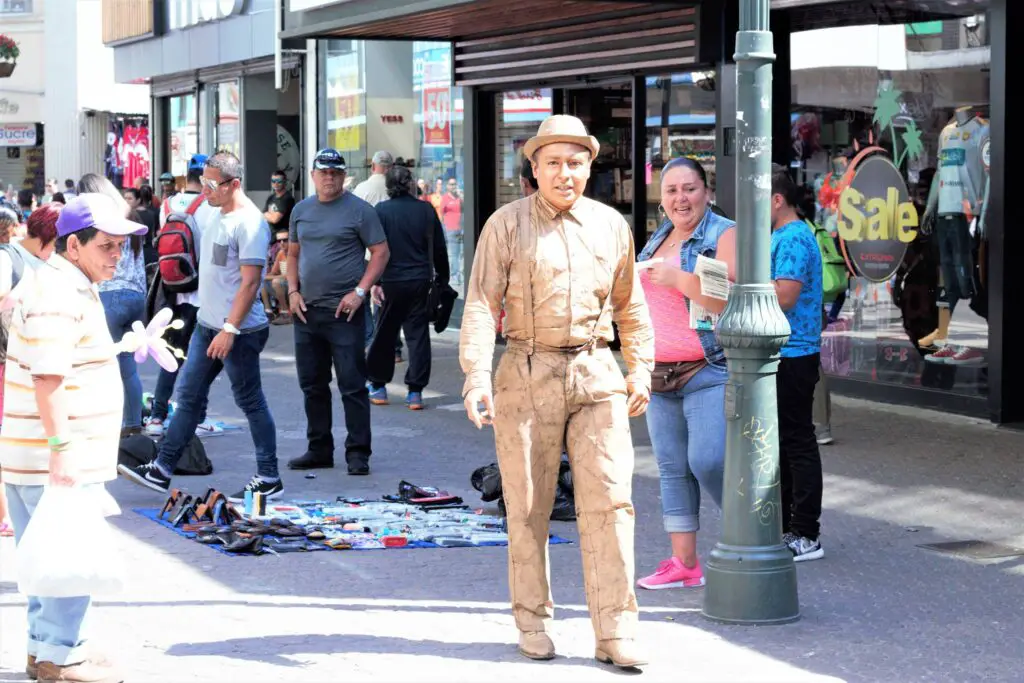
Urban trees play a vital role in the functioning of modern cities. Beyond beautifying streets and parks, they help reduce the “urban heat island” effect, a phenomenon that causes densely built areas to become significantly warmer due to asphalt, concrete, and limited vegetation.
The shade provided by trees can lower surface temperatures on roads and sidewalks, while evapotranspiration helps cool the surrounding air naturally. Numerous international studies have shown that increased tree coverage can also reduce the need for air conditioning and improve overall thermal comfort for residents.
San José BiodiverCity: An Urban Vision Inspired by Nature
The tree-planting program is part of initiatives such as San José BiodiverCity, a project that aims to transform the capital into a place where biodiversity becomes an integral part of urban planning.
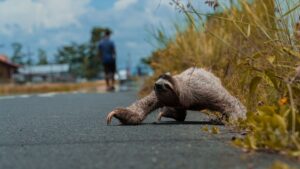
The initiative promotes the creation of urban biological corridors, the restoration of green areas, and the integration of ecological infrastructure throughout the city. Its goal is to reconnect fragmented natural habitats, facilitate wildlife movement, and improve environmental quality for residents and visitors alike.
Benefits Beyond Lower Temperatures
Expanding urban tree coverage offers benefits that go far beyond cooling the city.
Trees absorb carbon dioxide (CO₂), filter air pollutants, reduce urban noise, improve rainwater infiltration, and help mitigate flooding risks in certain areas. They also create more pleasant environments for walking, exercising, and enjoying public spaces.
Research has further demonstrated that greener urban environments can have positive effects on mental health, stress reduction, and overall quality of life.
A Capital Preparing for Climate Change
Climate adaptation has become a priority for cities around the world. Scientific projections suggest that extreme heat events are likely to become more frequent and intense over the coming decades, particularly in urban areas.
In this context, nature-based solutions are increasingly recognized as effective and cost-efficient tools for strengthening urban resilience. Large-scale tree planting is among the strategies most frequently recommended by international organizations specializing in sustainable city planning.
The Role of Citizens in Urban Transformation
The success of urban forestry programs depends not only on local governments but also on community participation.
The care, maintenance, and protection of newly planted trees require the involvement of residents, schools, community organizations, and businesses. Environmental education and public engagement are essential to ensure that the trees planted today can mature and provide benefits for generations to come.
An Investment in Future Generations
The trees planted over the coming years will not reach their full potential immediately. However, they represent a long-term investment in healthier, cooler, and more sustainable urban environments.
While many cities around the world search for solutions to rising urban temperatures, San José is embracing a simple yet effective approach: giving more space back to nature and harnessing the many benefits that trees provide every day.
Official and Informational Sources
- Municipality of San José
- Ministry of Environment and Energy (MINAE)
- National System of Conservation Areas (SINAC)
- San José BiodiverCity Program
- UN-Habitat – Nature-Based Solutions for Sustainable Cities
- Food and Agriculture Organization (FAO) – Urban Forestry