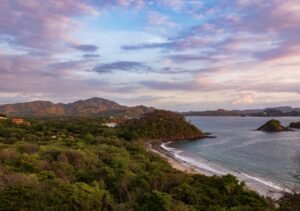
Two out of three international visitors who fly into Costa Rica spend time at the beach. It is still the most popular activity, but the share is not what it used to be: it fell from 72% in 2017-2019 to 67% in 2023-2025, according to an analysis by the State Distance University (UNED) based on figures from the Costa Rican Tourism Board (ICT).
What visitors do
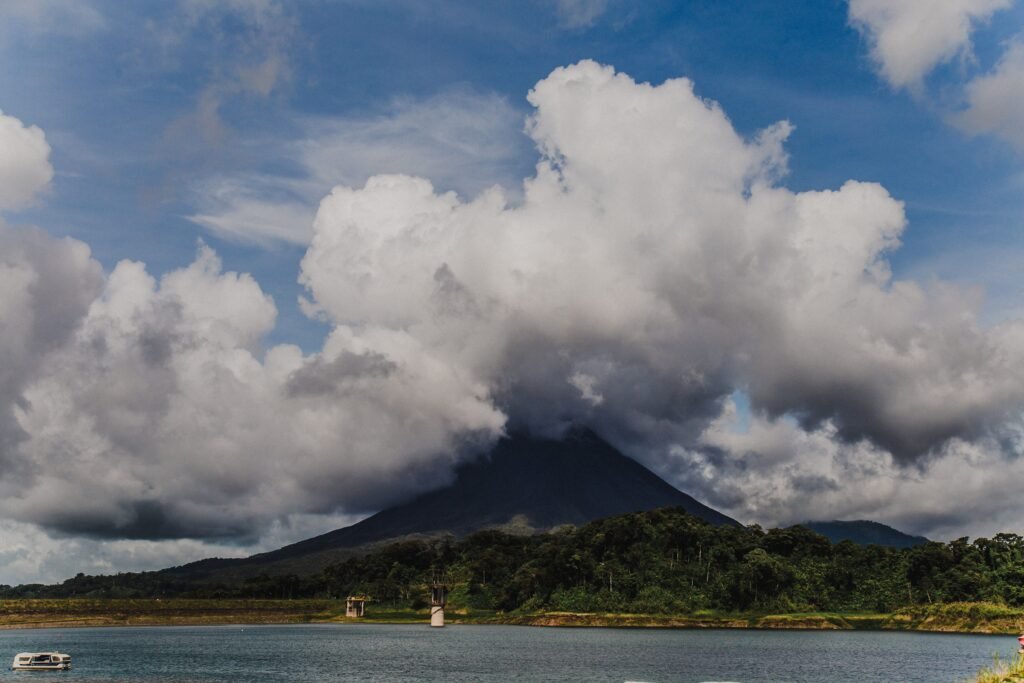
Behind the beach comes a range of experiences that are gaining ground. Wildlife and plant watching reaches 37% of air travelers, Costa Rican food 36% and hiking on nature trails 32%. Volcano visits stand at around 30% and hot springs at 25%.
The list goes on with zip-lining, boat trips, surfing, snorkeling, hanging bridges, farm visits and birdwatching. These activities overlap: many visitors combine several on the same trip, moving in a few days from the coast to a volcano or a farm.
Levelling off, not losing interest
For UNED researcher and lecturer Alberto López Chaves, the five-point drop does not mean beaches are losing relevance, but that interest is levelling off. In his view, the country should be promoted not only as a beach destination, but by bringing together the full range of what it offers.
The wider picture helps. According to ICT figures reported by La Nación, Costa Rica welcomed 2.31 million tourists between January and September 2026, up 4.8% on the same period in 2025 and close to pre-pandemic levels (2.38 million over the same months of 2019). The United States and Canada account for 66% of arrivals.
An opportunity for communities and small businesses
The study sees this diversification as a real opportunity for rural areas and small businesses: farm tours, food experiences, rural tourism and biodiversity activities. In other words, offers that can spread tourist spending beyond the coast.
But it warns that the benefits will not spread on their own. Yorleny Fontana Coto, head of UNED’s Tourism Entrepreneurship Chair, stresses that businesses need stronger management, better service and sharper marketing. The analysis also calls for closer ties between small businesses, farmers, restaurants and tour operators, and points to training, innovation, environmental sustainability and access to marketing tools as the keys to competitiveness.
Sources:
- Delfino.cr, “Turismo de sol y playa mantiene liderazgo en Costa Rica, pero visitantes buscan experiencias más diversas”, November 12, 2026
- Infobae, “Turistas en Costa Rica ya no buscan solo playas: gastronomía, naturaleza y aventura ganan protagonismo”, November 13, 2026
- La Nación, “Estados Unidos y Canadá aportan dos de cada tres turistas que llegan a Costa Rica”, 2026