Rincón de la Vieja becomes the most active volcano in the country
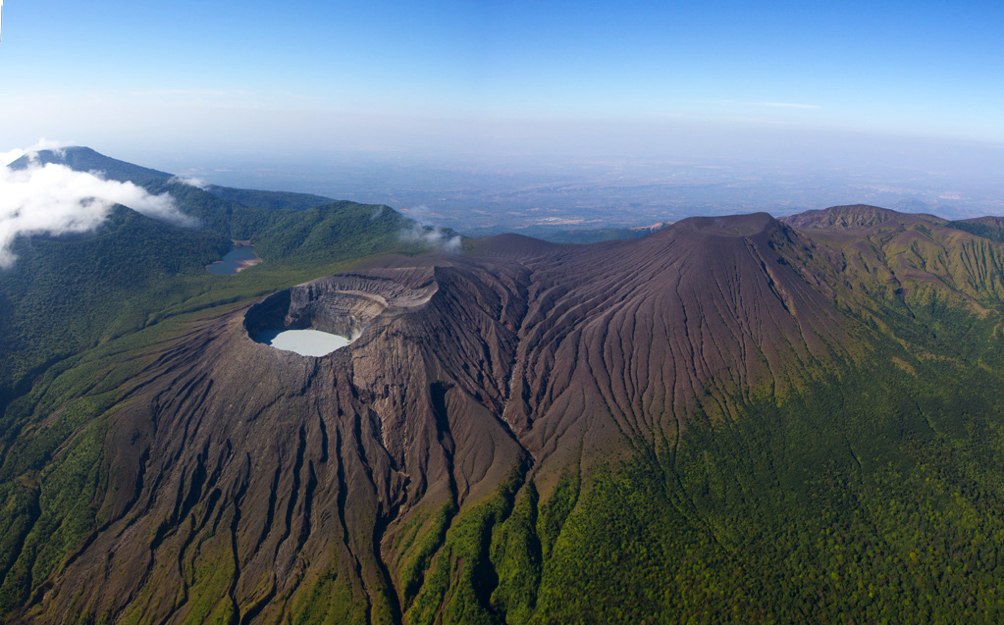
The Rincón de la Vieja, located in the province of Guanacaste, has stood out as the most active volcano in Costa Ricaafter a series of eruptions recorded in April 2026, surpassing the recent activity of other volcanoes such as Poás and Turrialba, according to volcanologists from the OVSICORI-UNA.
Details of the recent eruptions
During April, several eruptive events were recorded at this volcano:
- April 17: a moderate eruption with a dense column of gas and ash rising from the crater.
- April 24: a gas emission reaching approximately 1,500 meters in height.
- April 27: an eruption at 3:03 a.m., described as the most energetic of the year so far, although no volcanic mudflows (lahars) were generated.
These eruptions were characterized as phreatic, meaning they were driven by the interaction of underground water with volcanic heat rather than lava emissions.
The activity has been monitored using seismic and acoustic instruments, although darkness in some cases prevented precise measurement of the height of the eruptive columns.
Alert level and recommendations
OVSICORI-UNA has maintained the “Yellow” alert level (Level 2 on a scale from 0 to 4) for Rincón de la Vieja, indicating a situation that requires caution and continuous monitoring but not immediate evacuation.
Authorities from the Comisión Nacional de Emergencias have recommended that nearby communities avoid rivers and streambeds during periods of increased activity, as they may carry volcanic sediments during rainfall.
For visitors planning to explore nearby national parks, it is recommended to confirm trail and sector access conditionswith park authorities or tour operators and to follow OVSICORI updates.
Rincón de la Vieja and its geological environment
Rincón de la Vieja is part of the Rincón de la Vieja–Santa María volcanic complex, one of the largest volcanic systems in the country, featuring multiple craters, pyroclastic cones, fumaroles, and intense geothermal activity. Areas of boiling mud and gas emissions make this massif of great interest both scientifically and for tourism.
In previous years, Rincón de la Vieja has experienced intermittent eruptive phases involving frequent gas and ash emissions and volcanic-related seismic activity. However, the 2026 eruptions are among the most notable in terms of recorded energy.
The importance of continuous monitoring
Volcanic activity monitoring in Costa Rica is carried out by OVSICORI-UNA, which operates a network of seismic instruments and sensors to detect changes in the behavior of the country’s volcanoes.
Costa Rica lies within the Pacific Ring of Fire, a geologically active region with numerous active volcanoes that require permanent observation to protect both residents and visitors.
Official and informative sources
• OVSICORI-UNA — Monitoring and bulletins on volcanic activity at Rincón de la Vieja
• Comisión Nacional de Emergencias (CNE) — Recommendations for communities and visitors during volcanic activity
• Smithsonian Institution — Global Volcanism Program reports on recent volcanic activity in Costa Rica