
Local residents express concerns about new agricultural projects
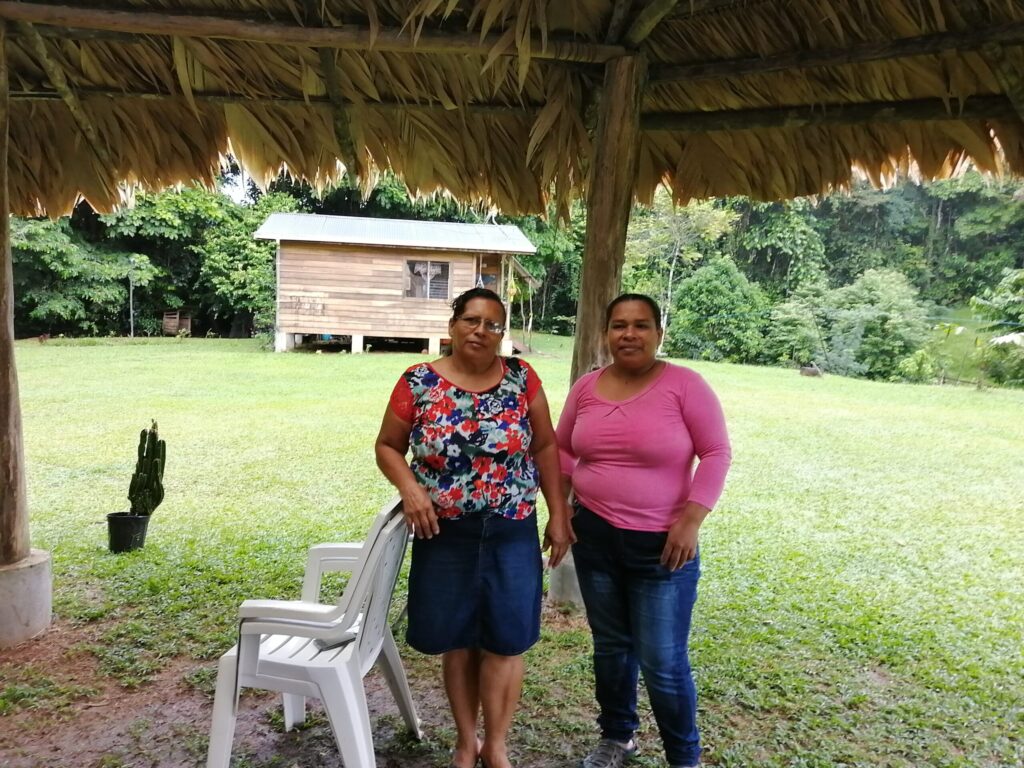
Several communities in the canton of Guácimo, in Costa Rica’s Limón Province, have voiced concerns over the possible expansion of pineapple plantations near water sources and an important biological corridor that supports the region’s ecological connectivity.
Residents, community organizations, and environmental groups are calling for any new agricultural developments to undergo thorough evaluation in order to safeguard water resources, biodiversity, and the area’s environmental balance. Their concerns have sparked renewed discussion about land-use planning and the long-term conservation of local ecosystems.
The importance of protecting water resources
Water is one of the most valuable natural resources for Guácimo’s rural communities.
Springs, streams, and aquifers provide water for local residents, agriculture, and ecosystems that depend on clean and reliable water supplies. For this reason, any project that could alter the landscape must comply with Costa Rica’s environmental regulations and the evaluation processes established by the relevant authorities.
In Costa Rica, watershed protection is a cornerstone of environmental management and falls under the responsibilities of the Ministry of Environment and Energy (MINAE), the Water Directorate, and the National System of Conservation Areas (SINAC).
Biological corridors play a vital ecological role
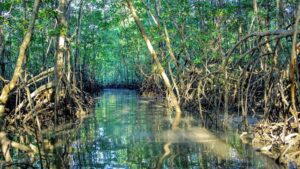
Beyond concerns about water resources, local communities have also emphasized the importance of preserving the biological corridor located within the area.
Biological corridors connect protected areas through landscapes that allow wildlife to move, feed, reproduce, and maintain healthy populations. This ecological connectivity is especially important in regions where human activities may fragment natural habitats.
Costa Rica’s National Biological Corridors Program, coordinated by SINAC, recognizes these corridors as essential tools for biodiversity conservation while encouraging community participation in sustainable land management.
Balancing agricultural development and environmental conservation
Pineapple production is one of Costa Rica’s leading agricultural export industries and provides employment in several regions of the country.
At the same time, various sectors have highlighted the need to strengthen environmental monitoring and preventive measures to ensure that agricultural growth remains compatible with the conservation of natural resources.
Environmental impact assessments, proper surface and groundwater management, protection of riparian forests, and compliance with environmental legislation are among the mechanisms used to balance economic development with environmental sustainability.
A process involving multiple public institutions
When projects may have environmental implications, several public institutions are responsible for reviewing permits and ensuring compliance with environmental regulations.
Depending on the nature of the proposed development, agencies such as the National Environmental Technical Secretariat (SETENA), the Ministry of Environment and Energy (MINAE), the National System of Conservation Areas (SINAC), the Water Directorate, and local governments may all participate in the review process.
These procedures are designed to minimize environmental risks while ensuring that productive activities comply with Costa Rica’s environmental laws.
A broader discussion about the future of the region
The situation in Guácimo reflects a broader challenge faced by many regions across the country: finding the right balance between economic growth, agricultural production, and the conservation of natural heritage.
While local communities are requesting stronger safeguards to protect water resources and biodiversity, public authorities continue applying the technical and legal mechanisms established to evaluate each proposed project.
Ongoing dialogue among institutions, producers, and local residents will be essential to promoting sustainable territorial development that supports economic activity while preserving ecosystems and water security.
Recommended Official Sources
- Ministry of Environment and Energy (MINAE)
- National System of Conservation Areas (SINAC)
- National Environmental Technical Secretariat (SETENA)
- Water Directorate (MINAE)
- National Biological Corridors Program
- Municipality of Guácimo