A database developed in Costa Rica gains international recognition
Scientific research carried out by the University of Costa Rica (UCR) has received significant international recognition after becoming part of the State of the World’s Plants and Fungi 2026, one of the world’s leading scientific publications dedicated to biodiversity research.
The participation of the Costa Rican university highlights the growing importance of national scientific research in expanding knowledge and supporting biodiversity conservation, particularly in a country recognized as one of the world’s most biologically diverse regions.
A database containing tens of thousands of fungal records
UCR’s contribution consists of a database containing more than 78,000 records of fungi collected throughout Costa Rica, the result of decades of scientific work and collaboration between the Dr. Luis A. Fournier Origgi Herbarium at the University of Costa Rica and the National Herbarium of the National Museum of Costa Rica.
The digitization of this information allows researchers around the world to access valuable data on Costa Rica’s fungal diversity, supporting studies related to conservation, species evolution, and the impacts of climate change on ecosystems.
Why are fungi so important?
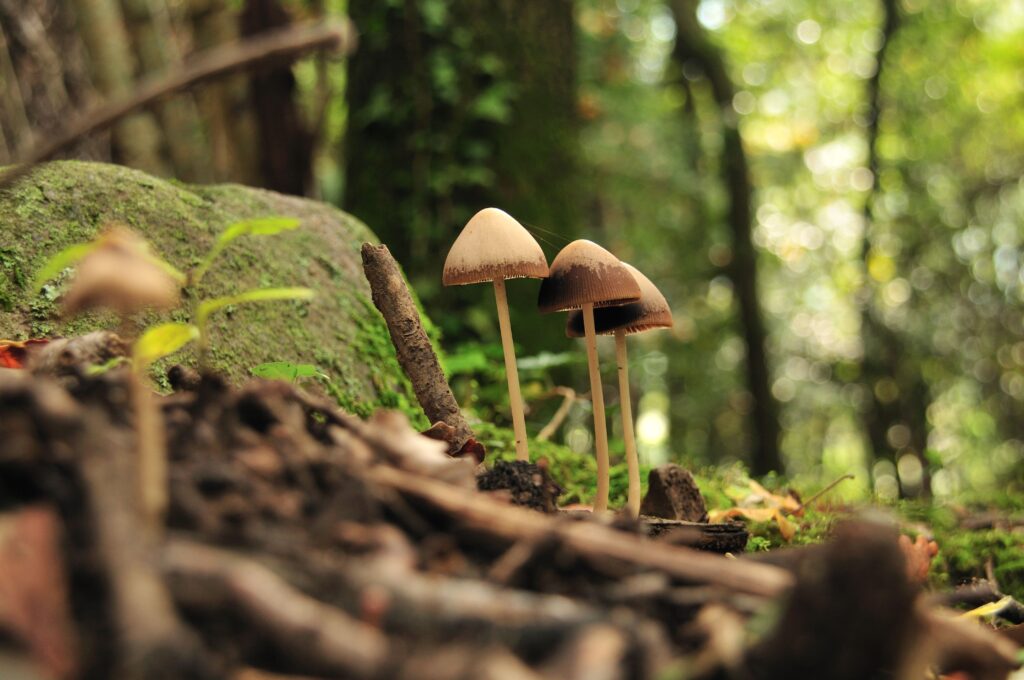
Although fungi often receive less attention than plants and animals, they perform essential functions within ecosystems.
They decompose organic matter, recycle nutrients that are vital for healthy soils, establish symbiotic relationships with numerous plant species, and help maintain the ecological balance of tropical forests.
In addition, many fungal species have important applications in medicine, agriculture, food production, and biotechnology, making fungal research an increasingly important scientific field.
A global reference report for biodiversity conservation
The State of the World’s Plants and Fungi is produced by scientists from the Royal Botanic Gardens, Kew, in the United Kingdom, in collaboration with experts from dozens of international institutions.
The report evaluates the conservation status of plants and fungi, identifies the major threats facing global biodiversity, and presents new scientific tools that improve our understanding of life on Earth.
The 2026 edition brought together nearly 200 researchers from more than 100 institutions across approximately 30 countries, including the University of Costa Rica.
Costa Rican science serving global biodiversity
The inclusion of this database recognizes the long-term work carried out by researchers, herbarium curators, and biodiversity specialists throughout Costa Rica.
Over several decades, the collection, identification, and preservation of fungal specimens have resulted in one of the country’s most valuable scientific collections, providing an essential resource for future national and international research.
This information also strengthens environmental decision-making, ecosystem conservation planning, and efforts to protect vulnerable species.
Digitization is transforming scientific research
Creating digital databases that are accessible to the international scientific community represents one of the greatest advances in modern biodiversity research.
Through digitization, thousands of historical records can now be consulted by specialists worldwide, accelerating scientific discoveries and strengthening collaboration among research institutions.
At a time when climate change and biodiversity loss are accelerating, access to reliable species distribution data is becoming increasingly important for developing effective conservation strategies.
A contribution that strengthens Costa Rica’s scientific reputation
The participation of the University of Costa Rica in this international report demonstrates the high quality of scientific research conducted in the country and the importance of its biological collections.
Beyond academic recognition, this achievement highlights the importance of continuing to invest in scientific research, the digitization of natural heritage, and international cooperation to better understand biodiversity and protect the ecosystems that sustain life on Earth.
Recommended Official Sources
- University of Costa Rica (UCR)
- Royal Botanic Gardens, Kew – State of the World’s Plants and Fungi
- Dr. Luis A. Fournier Origgi Herbarium – UCR
- National Museum of Costa Rica – National Herbarium
- National System of Conservation Areas (SINAC)
- Convention on Biological Diversity (CBD)