Technical training to protect wildlife
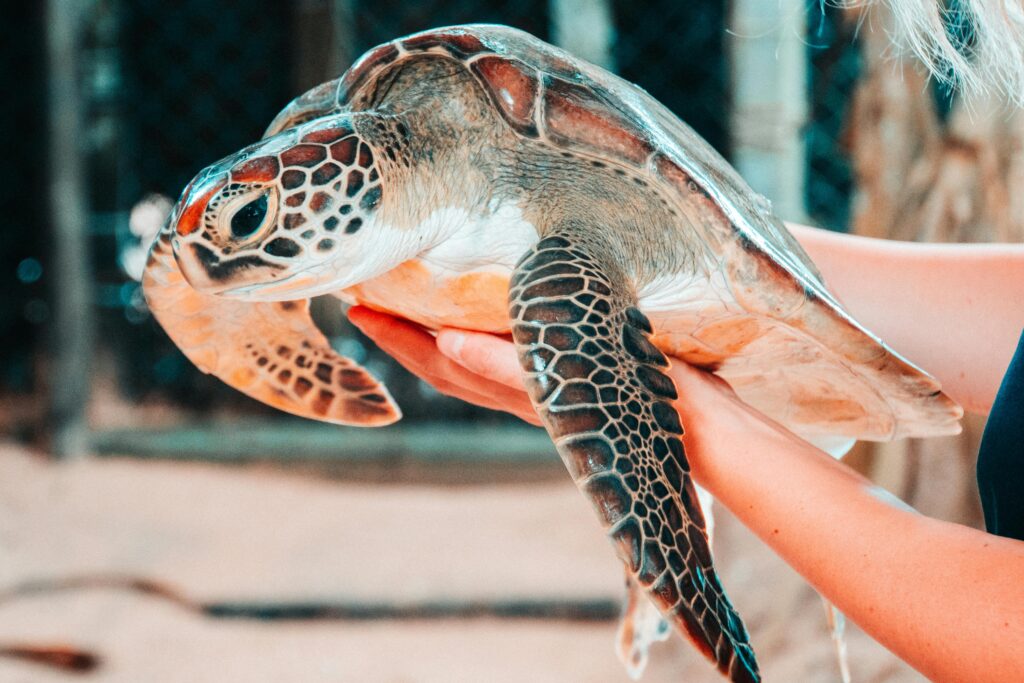
Costa Rican authorities from various institutions took part in a series of specialized workshops designed to improve the safe and humane handling of wild animals that are rescued or seized in cases of illegal trafficking or risk situations. The initiative was organized by Humane World for Animals Costa Rica in collaboration with the National Environmental Security Commission and involved approximately 150 officials from different government agencies.
Objectives and focus of the workshops
The training sessions focused on providing participants with technical tools for:
• Safe and humane handling of wild animals after rescue or seizure, reducing stress and suffering.
• Use of specialized equipment for the capture, transport, and initial care of vulnerable wildlife.
• Basic first aid for injured or critically conditioned wild animals.
• Inter-institutional coordination among public security, investigative, environmental protection, and rescue entities.
Participants came from several state institutions, including the Public Force, Border Police, Tourist Police, Coast Guard Service, Air Surveillance Service, the Ministerio de Ambiente y Energía (MINAE), SENASA, the Organismo de Investigación Judicial (OIJ), the Attorney General’s Office, the General Customs Directorate, and the Postal Service.
Importance of this type of training
Costa Rica is a country with extraordinary biodiversity, and every year thousands of wild animals are rescued from illegal trafficking, improper captivity as pets, accidents, or human-related threats. Studies indicate that approximately 3,000 wild animals enter specialized rescue centers each year due to injuries or conditions resulting from human intervention, highlighting the need for proper technical handling.
These workshops aim to strengthen authorities’ response to environmental crimes, improve enforcement of wildlife regulations, and promote practices that allow rehabilitation and, when possible, the eventual release of animals back into their natural habitat.
Role of legislation and environmental institutions
Wildlife management in Costa Rica is regulated by the Wildlife Conservation Law and coordinated by the Sistema Nacional de Áreas de Conservación (SINAC), the entity responsible for promoting conservation, protection, and sustainable management of wildlife as national heritage, as well as coordinating technical actions with public institutions, private organizations, and conservation groups.
International collaboration and capacity-building projects
This project is part of broader efforts to strengthen Costa Rica’s capacity to combat wildlife trafficking and is implemented with international support, including initiatives funded by the U.S. Department of State’s Bureau of International Narcotics and Law Enforcement Affairs (INL).
Official and reference sources
• Tico Times, “Costa Rica Authorities Train to Better Handle Rescued and Seized Wildlife.”
• Humane World for Animals Costa Rica — official statement on the training program.
• SINAC — institutional framework for wildlife management in Costa Rica.
• Wildlife rescue statistics in Costa Rica — contextual data on the scale of wildlife care in the country.