A look at thousands of years of history
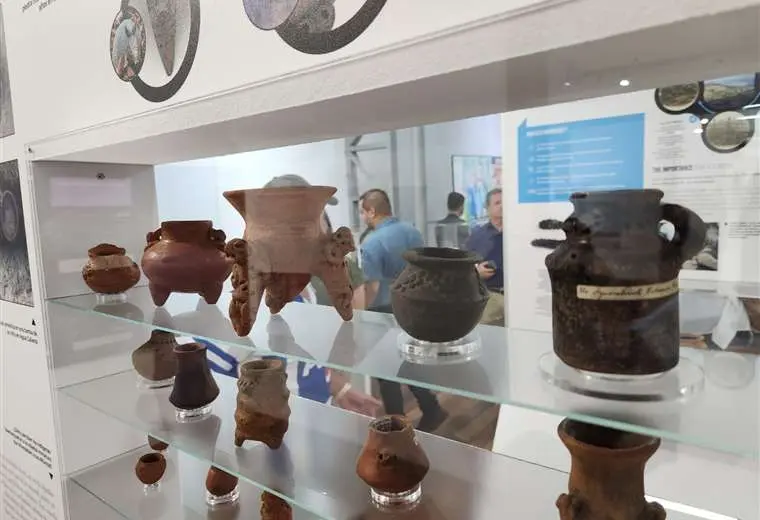
Cartago has opened a new exhibition dedicated to the archaeological heritage of the region. Ancestors of El Guarco brings together more than 300 archaeological pieces and offers a journey through the history of the populations that inhabited the territory over thousands of years.
The exhibition was inaugurated at the Cartago Municipal Museum and occupies five rooms. The pieces include objects made from ceramics and stone, sculptures and goldwork, accompanied by technological and museographic resources that help provide context for the objects.
The exhibition aims to show different aspects of the lives of the populations that inhabited the El Guarco Valley, including their agricultural practices, customs, beliefs and ways of interacting with their environment.
A collection assembled more than a century ago
Among the pieces displayed in the exhibition is material from the Troyo Collection, one of the founding collections of the National Museum of Costa Rica.
José Ramón Rojas Troyo assembled these materials at the end of the 19th century. Some of them come from archaeological sites such as Agua Caliente and Guayabo, two important locations for understanding the region’s pre-Hispanic past.
The exhibition also brings together the results of decades of archaeological research carried out in Costa Rica. The project aims to turn this specialized knowledge into an experience that is accessible to the public.
The National Museum identifies research, conservation and dissemination of archaeological heritage as part of its functions. Its collections include objects that make it possible to study different aspects of the societies that inhabited the territory before and after the arrival of the Spanish.
Agua Caliente, an important part of Cartago’s history
The exhibition is also connected to one of the most important archaeological projects currently being developed in the province: the future Agua Caliente Site Museum or Interpretation Center.
The Agua Caliente site is located in Cartago and preserves archaeological evidence related to the ancient populations that inhabited the region. The project aims to create a space dedicated to the research, protection and dissemination of this heritage.
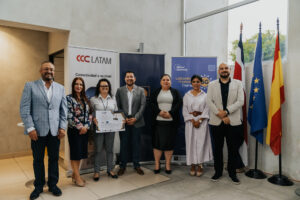
According to information presented at the exhibition’s inauguration, the State transferred ₡700 million to the Municipality of Cartago for the construction of the future museum. The municipality will also contribute resources for studies and analyses related to the project.
Once the facility is built, the National Museum of Costa Rica is expected to take over its administration, according to the information presented during the inauguration.
Archaeological heritage beyond the objects
The interest of this exhibition goes beyond the objects displayed in its cases.
Archaeological heritage makes it possible to reconstruct different aspects of the societies that inhabited Costa Rica long before the formation of the country as it exists today. Food, agriculture, funerary practices, social organization, beliefs and relationships between different regions can all be studied through materials discovered at archaeological sites.
Other places across the country also demonstrate the importance of this heritage. In Turrialba, for example, the Guayabo National Monument preserves pre-Hispanic architectural structures built from stone. According to SINAC, the site was occupied approximately between 1000 BC and AD 1400, over a period of around 2,400 years.
Guayabo is also recognized for its construction and water-management systems, which are among the features that have made the site a reference point in Costa Rican archaeology. The area was declared a National Monument in 1973 in order to protect this heritage.
Discovering the past from Cartago
Ancestors of El Guarco offers an opportunity to explore the province’s archaeological history without having to travel to the excavation sites themselves.
The exhibition uses the pieces as a starting point to explain how the populations that occupied this territory lived and how researchers have been able to reconstruct part of their history from the remains they left behind.
For Cartago, the exhibition also represents a way of highlighting a heritage closely connected to the territory and to the history of its communities.
An exhibition open to the public
The Ancestors of El Guarco exhibition can currently be visited at the Cartago Municipal Museum.
The exhibition features more than 300 archaeological pieces distributed across five rooms, and admission is free. The published opening hours are Monday to Sunday, from 9:00 a.m. to 4:00 p.m.
The exhibition therefore offers an opportunity to discover a part of Cartago’s history that goes far beyond the colonial period and the founding of the city.
As the future Agua Caliente Site Museum project moves forward, the pieces in Ancestors of El Guarco offer an opportunity to better understand the region’s archaeological heritage and the research helping to preserve it.
Sources of information
- National Museum of Costa Rica — institutional information about the Ancestors of El Guarco exhibition and the museum’s work in archaeology and heritage.
- SINAC — Guayabo National Monument — official information about the history, archaeology and conservation of the Guayabo archaeological site.
- Museums of the Central Bank of Costa Rica — institutional information about the conservation, research and dissemination of Costa Rica’s archaeological heritage.
- Teletica — information about the inauguration of Ancestors of El Guarco, the more than 300 pieces, visiting hours and the future Agua Caliente Site Museum project.