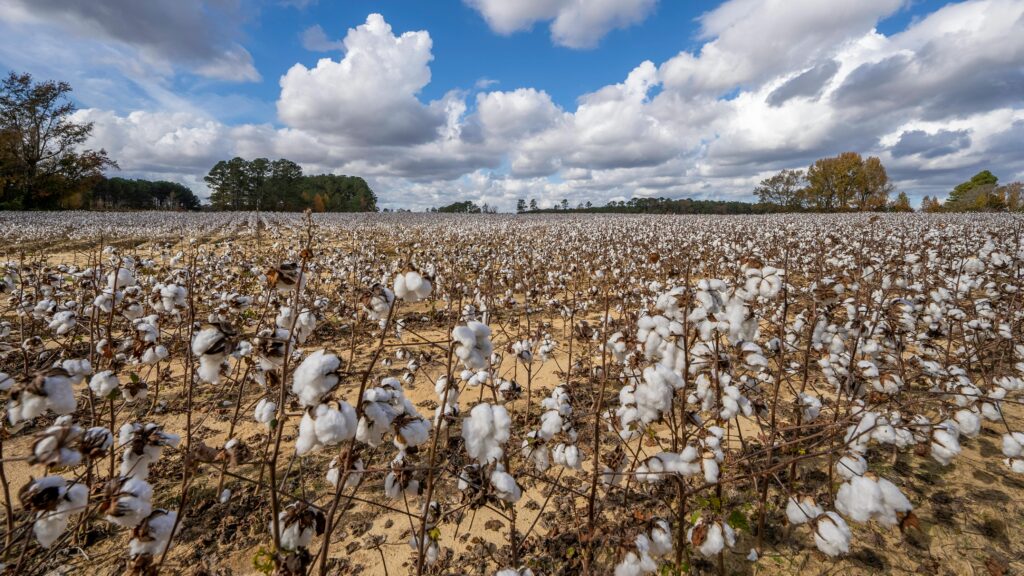
In just a few decades, Costa Rica has moved from growing cotton as a commercial crop to acting as a hub for research and export of high value‑added cotton seeds, mainly for the United States market. This shift is supported by local agricultural know‑how, modern infrastructure and an institutional framework that attracts foreign investment in agro‑innovation.
The Bayer station in Guanacaste
At the heart of this ecosystem is Bayer’s cotton seed Research and Development station, set up in the late 1990s in Guanacaste. According to information released by national media and the company itself, the operation covers more than 300 hectares devoted to the planting and multiplication of innovative cotton seeds, distributed between La Palma de Abangares (Guanacaste), Chomes (Puntarenas) and the processing plant in Cañas.
Each year, the station exports more than 40 tons of seeds to the United States, making it one of the key players in this segment at regional level. The project generates dozens of permanent jobs and hundreds of seasonal jobs in these rural communities.
A sustainable, carbon‑neutral model
The Bayer station has also positioned itself as a showcase for sustainable agricultural practices, combining precision agriculture, efficient water management and emissions reduction. Its operations are certified as carbon neutral under Costa Rica’s National Carbon Neutrality Program and its farms and the Cañas plant have been awarded the Blue Flag (Bandera Azul Ecológica) for their commitment to climate action and protection of natural resources.
The role of PROCOMER and public institutions
PROCOMER, Costa Rica’s official foreign trade promotion agency, is now pushing the seed and agricultural biotechnology industry as a strategic sector, seeking projects with a high innovation component and strong research and development activities. In February 2026, the institution took part for the first time in the ASTA Vegetable & Flower Conference in the United States, with the goal of positioning Costa Rica as an ideal platform for winter nurseries, advanced plant breeding and agricultural research centers.
This environment is complemented by the research centers of the University of Costa Rica, such as the Center for Research in Grains and Seeds (CIGRAS), which focuses on scientific and technological development in post‑harvest technology for grains and seeds, genetic improvement and plant biotechnology, together with policies from the Ministry of Agriculture and Livestock (MAG) on seed quality and agricultural sector development. Together, these actors have turned Costa Rica into a discreet but strategic reference point in the global cotton value chain.
Official sources
- PROCOMER – News release “Innovación de Costa Rica en industria de semillas busca atraer nueva inversión de sector agrícola internacional”.
- Invest in Costa Rica (PROCOMER) – Official investment promotion portal, with sections on agribusiness and biotechnology.
- Bayer seed station in Cañas / Guanacaste – Corporate and media articles on the seed station, its investments, innovation role and carbon‑neutral status.
- University of Costa Rica – Center for Research in Grains and Seeds (CIGRAS), English information page.
- Ministry of Agriculture and Livestock (MAG) – Technical and diagnostic documents on the seed subsector available in its virtual library.