Introduction: Between the Mist and the Silence
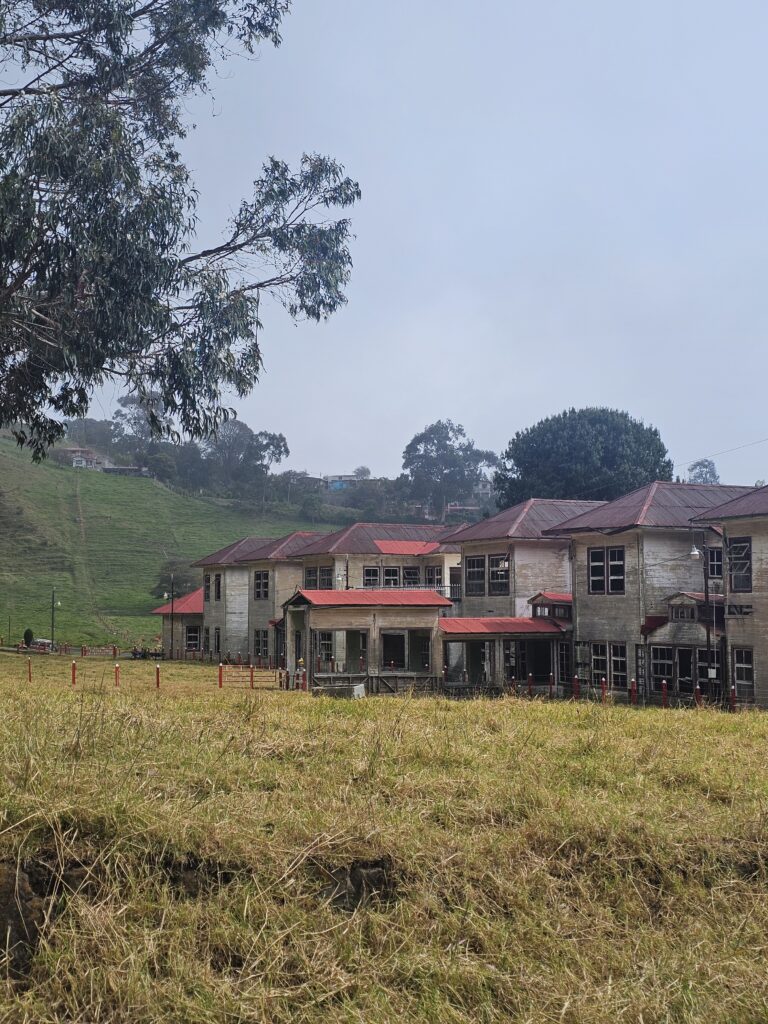
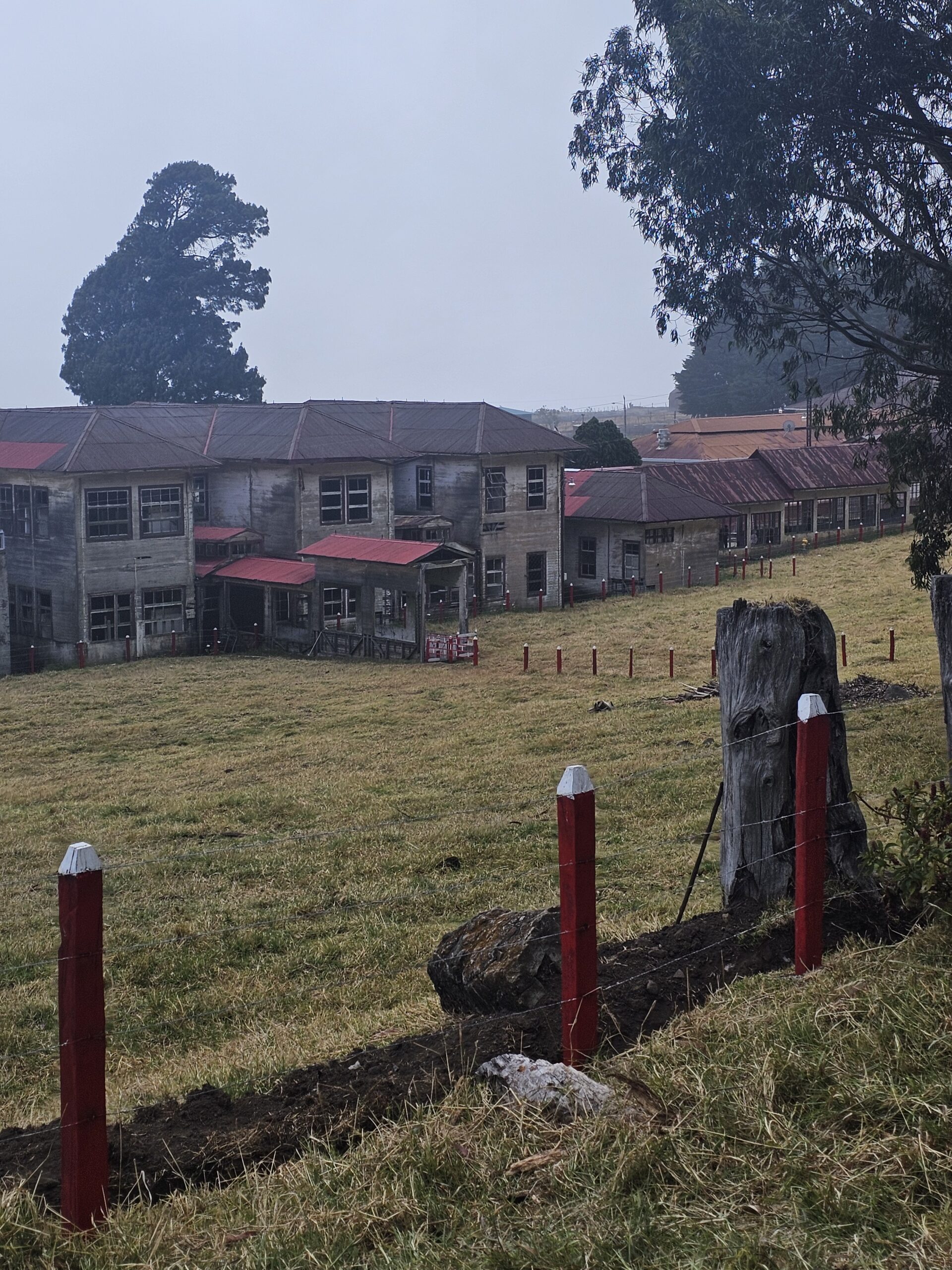
Climbing the hills toward Volcán Irazú, through the cold mist of the fertile region situated between Tierra Blanca and Potrero Cerrado de Cartago, lies a silent witness to time: the Durán Sanatorium. This imposing complex stands at around 2,335 metres above sea level, strategically located 7 kilometres north of the city of Cartago and 18 kilometres southeast of the volcanic colossus.
Today, its worn-down structures and empty corridors often evoke stories of ghosts and mystery in the minds of visitors. However, the true essence of this place transcends urban legends. Far from being simply a haunted house, the Sanatorium was inaugurated in 1918 as a cutting-edge institution, considered at the time a “first-world hospital” unique in Central America.
This sleeping giant was not built for fear, but as a monument to scientific hope. It was the brave response of an era against tuberculosis — known then as the “white plague” — erected in a place where it was believed that pure air, sunlight, and altitude were the best weapons for saving lives.
The Origin: A Father’s Promise
The history of the Sanatorium does not begin with bricks and cement, but with the anguish of a father. Dr. Carlos Durán Cartín was no ordinary citizen; he was an eminent physician who had graduated in London, a National Benefactor (Benémérito de la Patria), and had served as President of the Republic between 1889 and 1890. However, all his titles and political power could not shield him from the tragedy of the era: his own daughter, Elena, contracted tuberculosis.
At the beginning of the 20th century, treatment for this disease in Central America was practically nonexistent. Driven by desperation and his scientific vocation, Dr. Durán travelled with his daughter to the United States in search of a cure. Their destination was the prestigious Loomis Sanatorium in Liberty, New York, run by Dr. Charles Loomis, who was at the time the foremost authority on the treatment of the “white plague”.
There, the Costa Rican doctor not only sought Elena’s recovery, but also meticulously studied the hospital model. He observed how architecture, isolation, and the patient’s way of life were vital to treatment. He returned to Costa Rica in 1912 with a clear mission: to replicate that “first-world” model in his homeland.
His political influence was key to bringing this dream to fruition. On 16 August 1915, the Congress of the Republic, under the administration of Alfredo González Flores, approved the law for the creation of the sanatorium. After years of construction on a site carefully selected for its climatic conditions, the institution officially opened its doors on 1 November 1918.
Curiously, the building did not bear its champion’s name at first. In a gesture of recognition, it was inaugurated as Sanatorio Carit, in honour of Dr. Adolfo Carit Eva, who had made significant donations to the project. It would not be until 1931 that the institution was officially renamed Sanatorio Durán, perpetuating the legacy of the man who transformed his personal pain into a national health project.
Life in the Sanatorium: A Self-Sufficient City
Life in the Durán Sanatorium unfolded under a strict regime, dictated by a medical conviction that today might seem almost poetic: nature heals. At that time, before the widespread use of antibiotics, there was a fervent belief in the “altitude cure”. Doctors maintained that the cold mountain air, low atmospheric pressure, and direct sun exposure were vital for strengthening the immune system and healing the lungs damaged by the bacterium. At over 2,300 metres of altitude, the dry climate and luminosity of Potrero Cerrado became the primary medicine.
Architecture that Heals
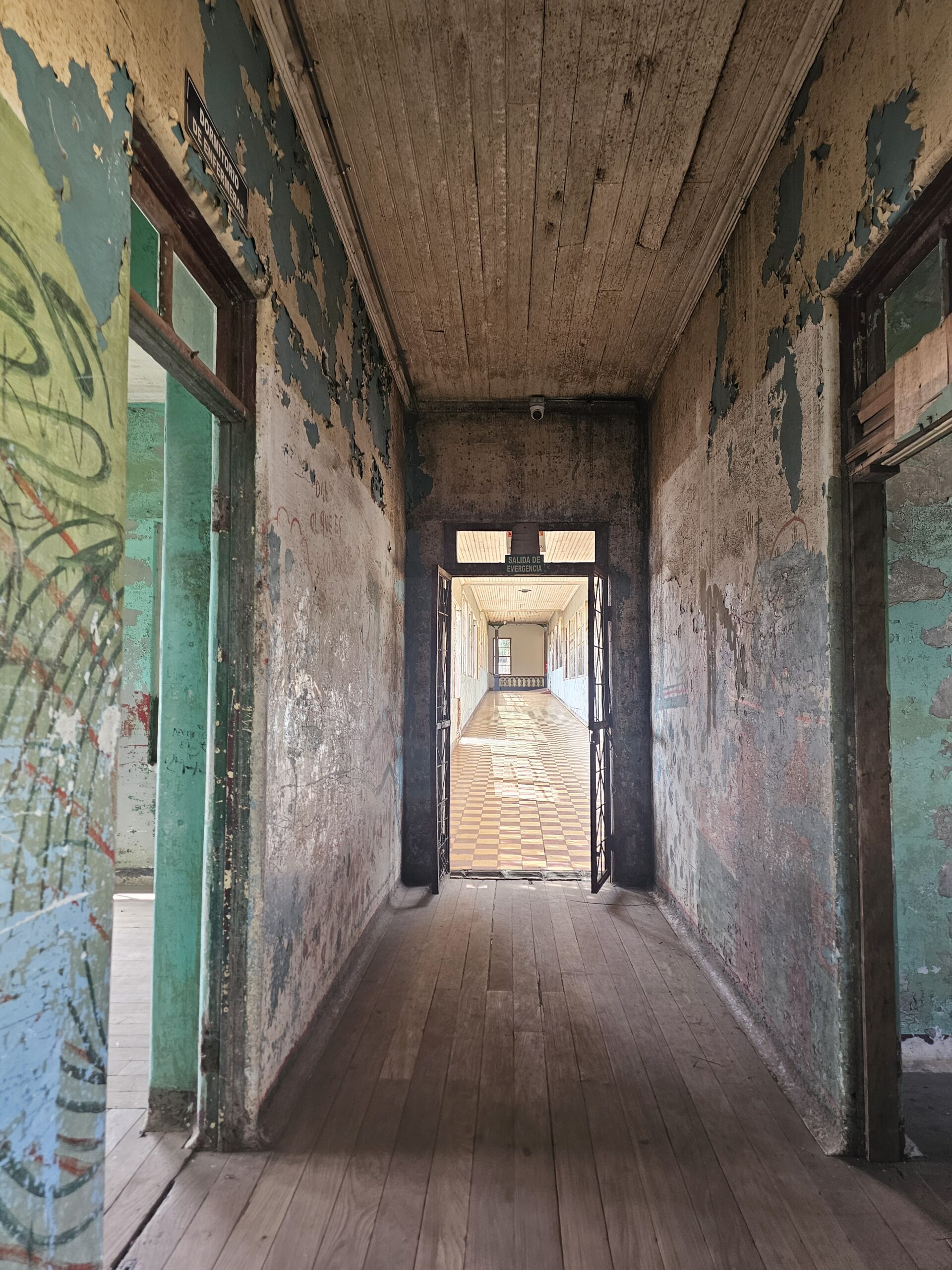
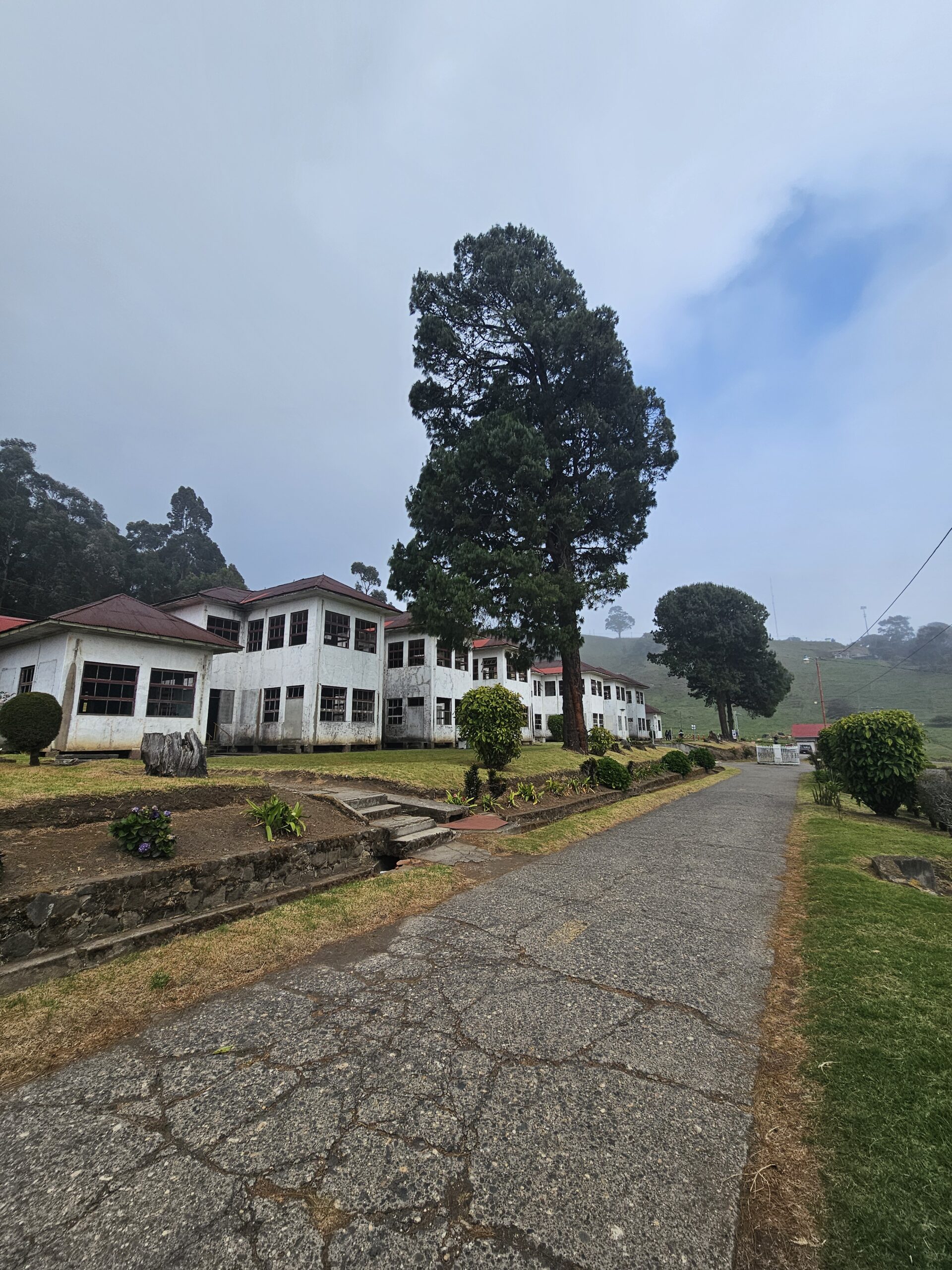
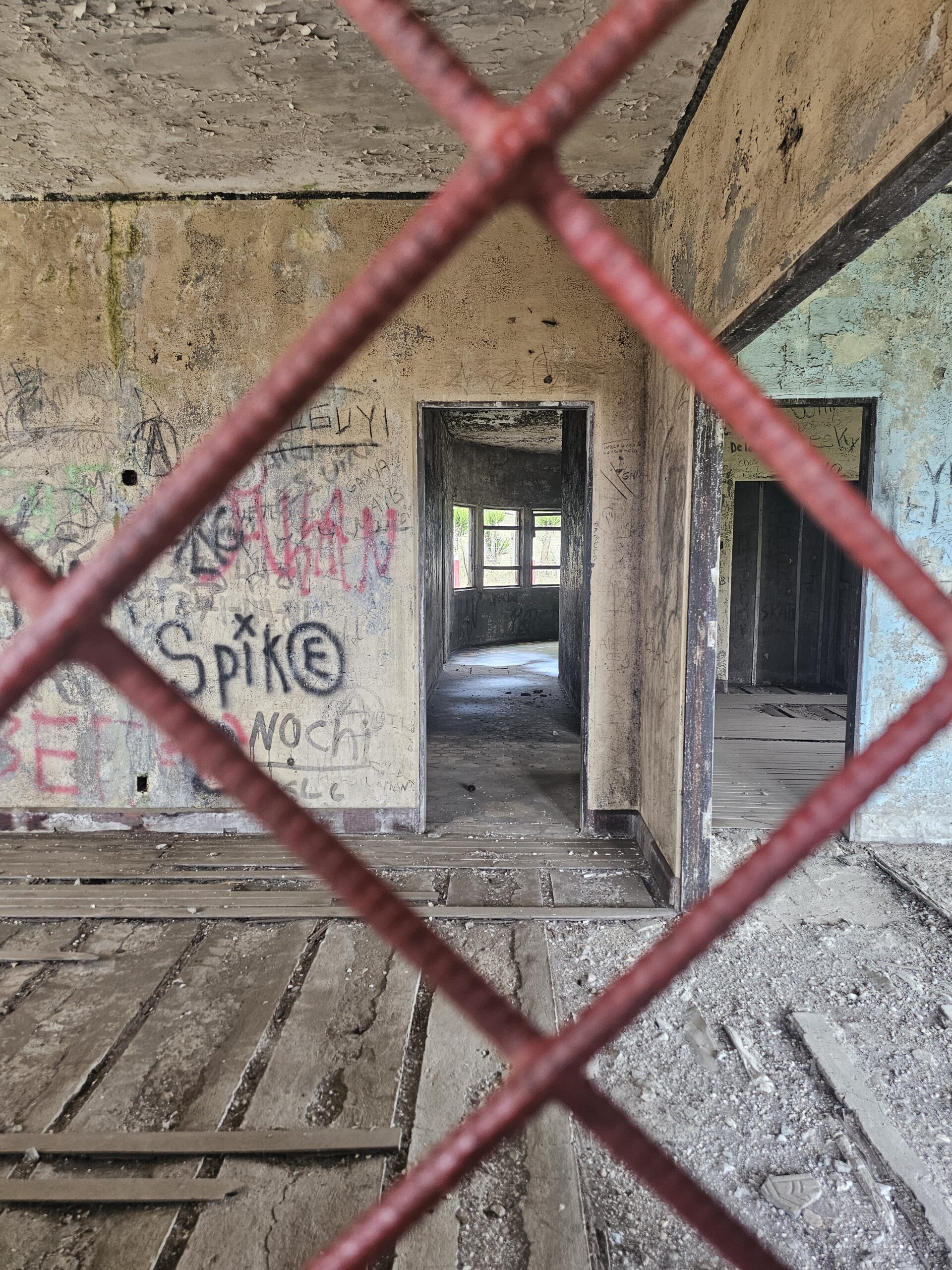
The building itself was designed as a medical instrument. Following hospital models from the United States, such as the Eudowood Sanitarium, the structure sought to maximise ventilation and sunlight. A fascinating architectural detail, which still surprises visitors today, is the rounded corners in the interior of the rooms and corridors. This was not an aesthetic whim, but an innovative hygienic measure to prevent the accumulation of dust and bacteria in corners, facilitating the absolute cleanliness that the treatment demanded.
An Autonomous Community
Due to its geographical isolation and the need to prevent contagion spreading outward, the Sanatorium functioned as a true self-sufficient city. It was a closed ecosystem capable of sustaining itself. The complex had its own dairy, farm, vegetable garden, butcher’s shop, and bakery, guaranteeing a high-calorie diet (of up to 3,500 calories per day) that was fundamental for combating the malnutrition of patients. It even had dental, pharmacy, and water treatment services, as well as an internal communications system.
The “Pensioners” and Social Life
Within its walls, Costa Rican society was replicated in miniature. The hospital, with a capacity of around 300 beds, was rigorously divided into wards for men, women, and children. However, there was also a clear class division: the so-called “pensioners” (pensionados). These were exclusive areas intended for patients of high economic means, who paid for superior comforts and private rooms, setting themselves apart from patients subsidised by the State or by charity.
The Spiritual and Operational Heart
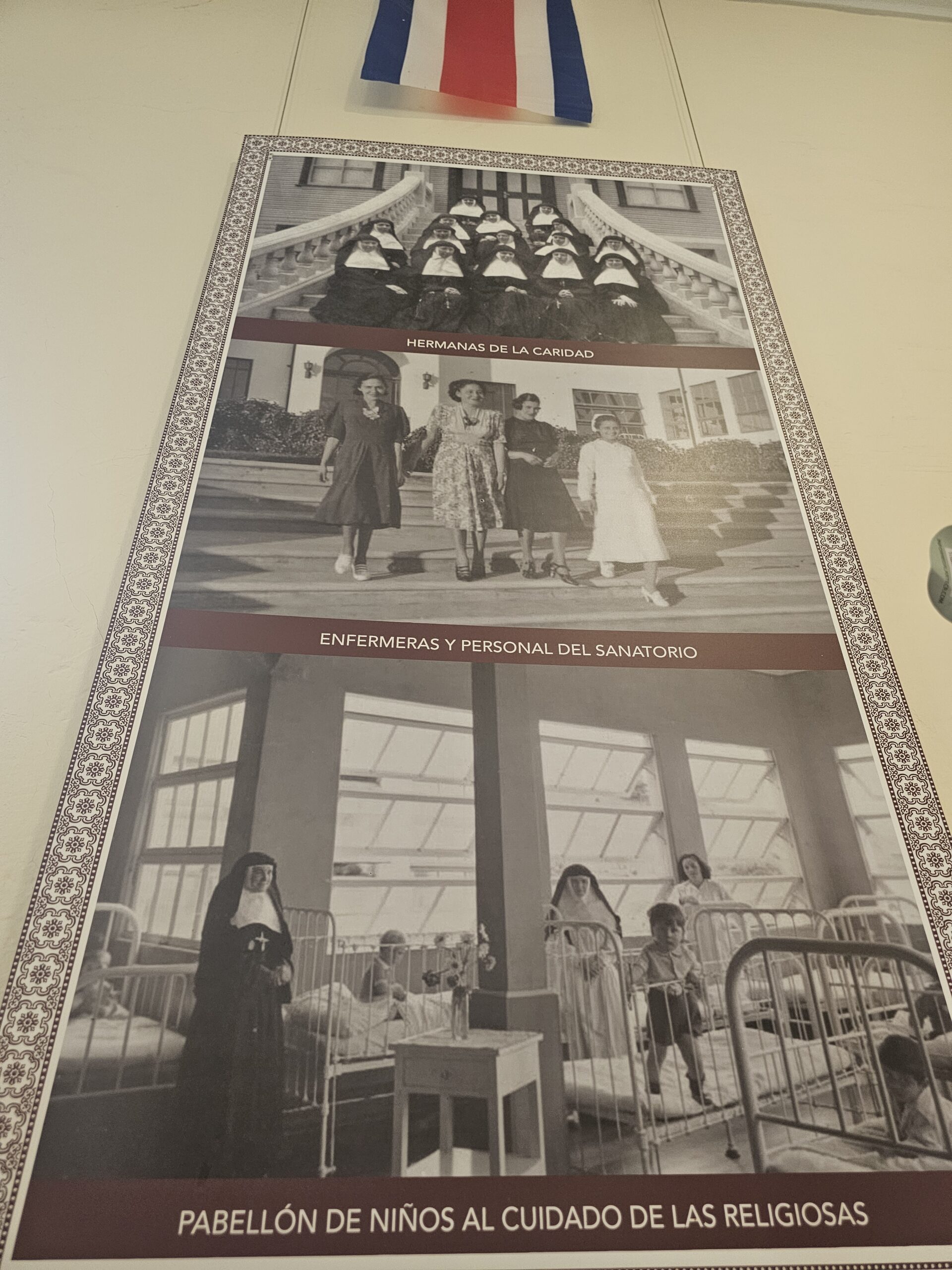
If Dr. Durán was the brain of the project, the Sisters of Charity of Saint Anne were its heart. Arriving at the sanatorium in 1925, these nuns became the right hand of the medical staff. Their work went far beyond spiritual assistance; they managed the kitchen, the laundry, and the pharmacy, and maintained discipline and comfort in the wards. They were the human cog that allowed this “city of health” to function with precision amid the misty mountains of Cartago.
The Decline: Ashes and Science
The fate of the Durán Sanatorium was not sealed by a lack of resources or by neglect, but by the convergence of two unstoppable forces: the advance of pharmacology and the fury of nature.
Medical Progress
From the 1940s and 1950s onwards, medicine took a quantum leap that, paradoxically, condemned this hospital giant to obsolescence. The arrival of effective antibiotics such as streptomycin, along with other drugs such as para-aminosalicylic acid (PAS), changed the rules of the game. Suddenly, tuberculosis was no longer a sentence of exile; the long hospital stays of months or years became unnecessary, and patients could be treated on an outpatient basis or in general hospitals close to their families. The “altitude cure” and absolute rest, while beneficial, were no longer the only hope. By the 1950s, the sanatorium had entered a frank operational decline due to its high maintenance costs and the decreasing number of patients.
The Fury of Irazú (1963)
The final blow, however, came from the very mountain that sheltered it. In March 1963, Volcán Irazú awoke with unusual violence. For almost two years, the colossus hurled tonnes of ash and sediment over the Central Valley, and the Sanatorium, located on its slopes, received the direct impact. The accumulation of volcanic material severely damaged the roofs and the drinking water systems. Most ironically and tragically, the pure air — the sanatorium’s principal asset for healing lungs — became toxic and laden with particles. Faced with the impossibility of guaranteeing a healthy environment for respiratory patients, the hospital was evacuated and its operations definitively ceased as a medical centre.
Subsequent Uses: Dark Echoes
After the hospital closed, the facilities did not immediately lie empty, but their purpose changed drastically, moving away from health and toward confinement. During the 1970s, the complex was repurposed as an orphanage and, later, as a correctional centre for minors (juvenile prison), operating under minimum and maximum security regimes. These phases, marked by the deterioration of the infrastructure and new stories of human suffering, ultimately cemented the gloomy atmosphere that now surrounds the place, before its definitive abandonment and transfer to local farmers (UPA Nacional) in subsequent years.
From Hospital to Legend: Paranormal Tourism
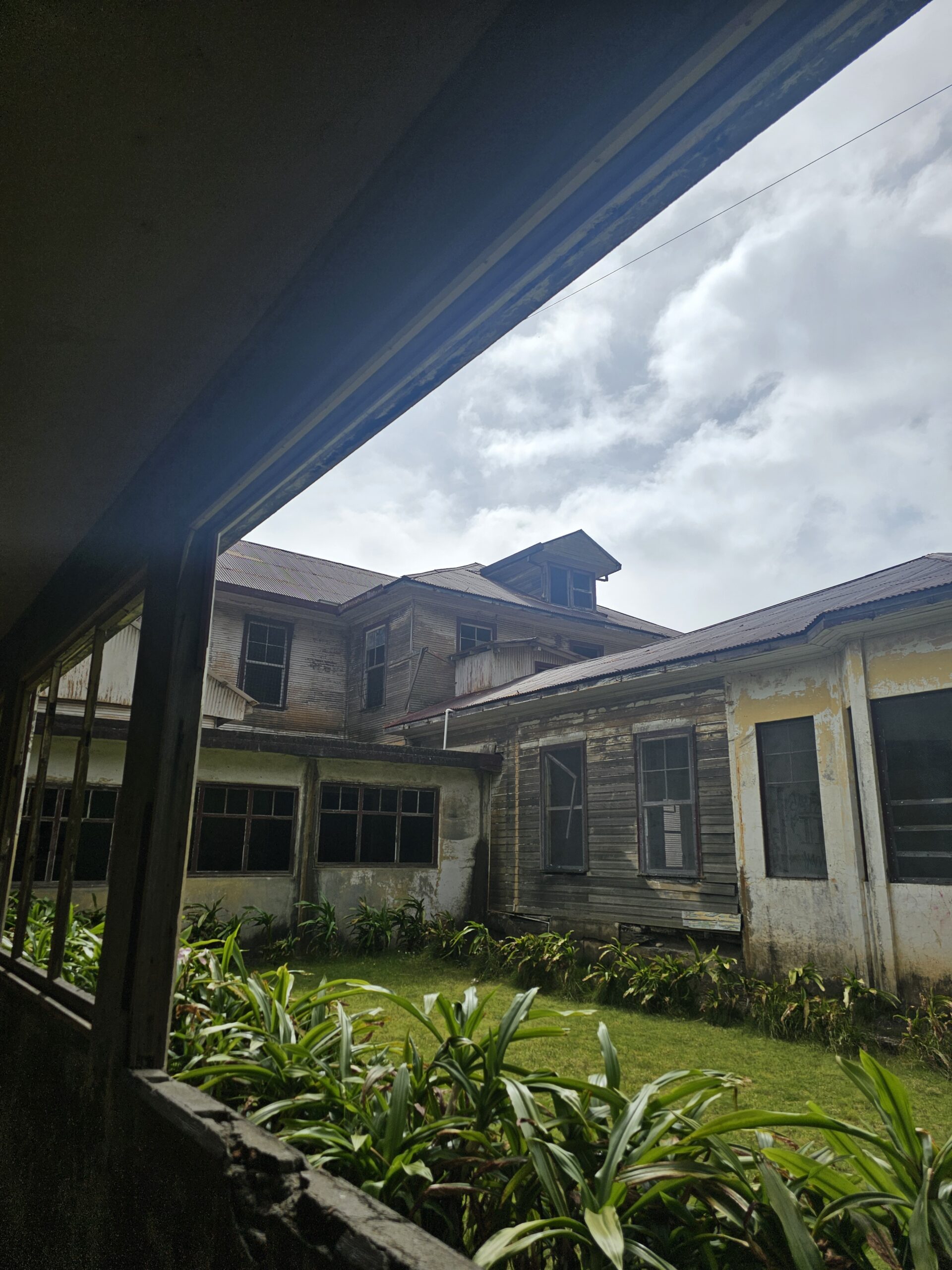
After the definitive closure and the failure of subsequent projects, the Durán Sanatorium was plunged into silence. However, the void of its corridors was soon filled with rumours. The state of decay, with its peeling walls revealing layers of paint from past decades, the graffiti that now covers the walls, and the imposing architecture amid the cold mist, created the perfect setting for the collective imagination to weave new stories. What was once a temple of science is today considered by many to be the most haunted place in Costa Rica.
The Ladies of the Mist
Among the legends that attract thousands of visitors, two spectral figures stand out above the rest. The most famous is that of the nun, a spirit who, according to the stories, wanders the dark corridors at night. Far from being a malevolent presence, oral tradition holds that this ghostly nun continues her eternal work: visiting the bedsides of the sick to bring them medicine and comfort, just as the Sisters of Charity did in life.
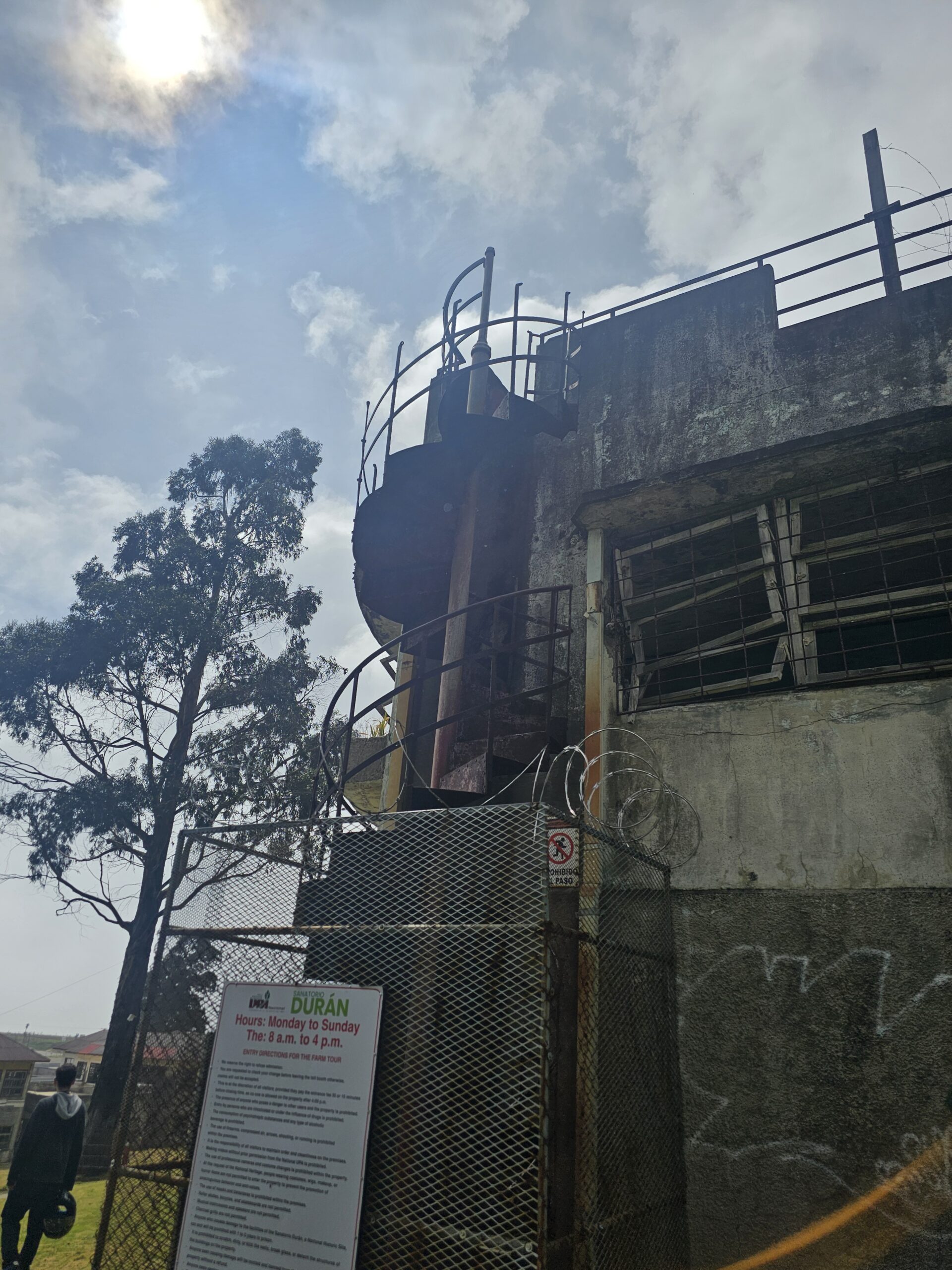
The other protagonist of these stories is a young girl, often seen playing on the stairs or peering through the windows of the former director’s house. Popular belief associates this apparition with Dr. Durán’s own daughter, who is said to have lived and died there, although historical records indicate that she survived the illness. Visitors and curious onlookers claim to have felt inexplicable icy breezes, heard children’s laughter, or captured strange shadows in their photographs, feeding the myth with each new anecdote shared on social media.
A Pop Culture Phenomenon
The mystery of the Sanatorium transcended local borders and became an international media phenomenon. Its reputation as a “haunted” site attracted the attention of the American programme “Ghost Hunters International”, which dedicated an episode to investigating the complex, consolidating its global reputation as a destination for paranormal tourism.
On the national stage, the building became a film star. In 2010, Costa Rican director Miguel Gómez released “El Sanatorio”, a horror-comedy film in the found footage style. The film, which narrates the misadventures of a group of young people attempting to shoot a documentary about the ghosts of the place, was a local box-office success and ultimately cemented the former hospital as an indispensable icon of Costa Rican pop culture and urban folklore.
A Legacy That Endures
Beyond the shadows and the echoes of empty corridors, the Durán Sanatorium stands firm as a giant that refuses to be forgotten. Despite the deterioration caused by time and vandalism, the value of its walls was finally officially recognised: on 7 November 2014, the complex was declared a Historical-Architectural Heritage Site of Costa Rica. This declaration seeks to protect what remains of this “hospital city”, acknowledging that its importance goes far beyond being a mere backdrop for ghost stories.
Life Among the Ruins
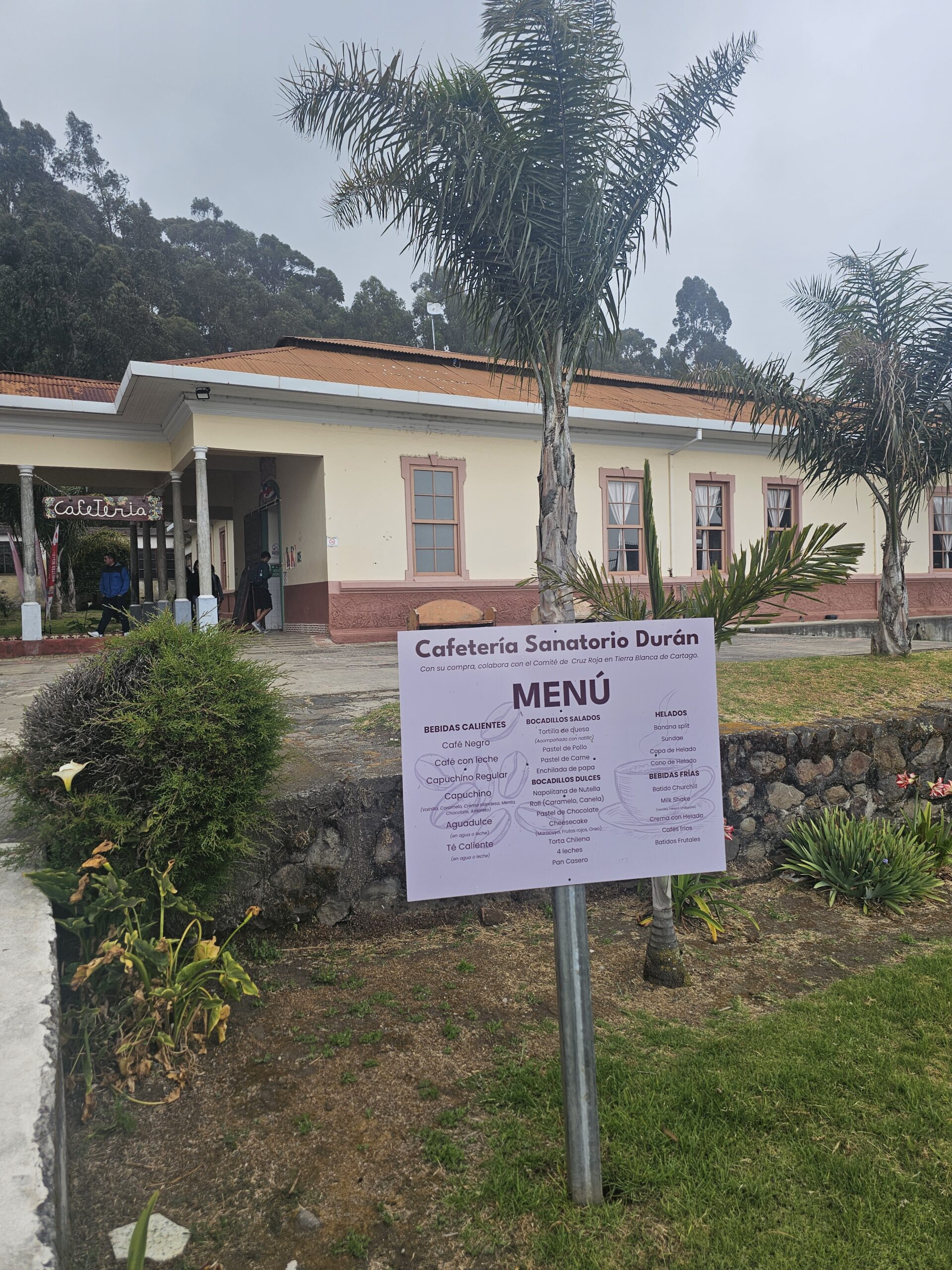
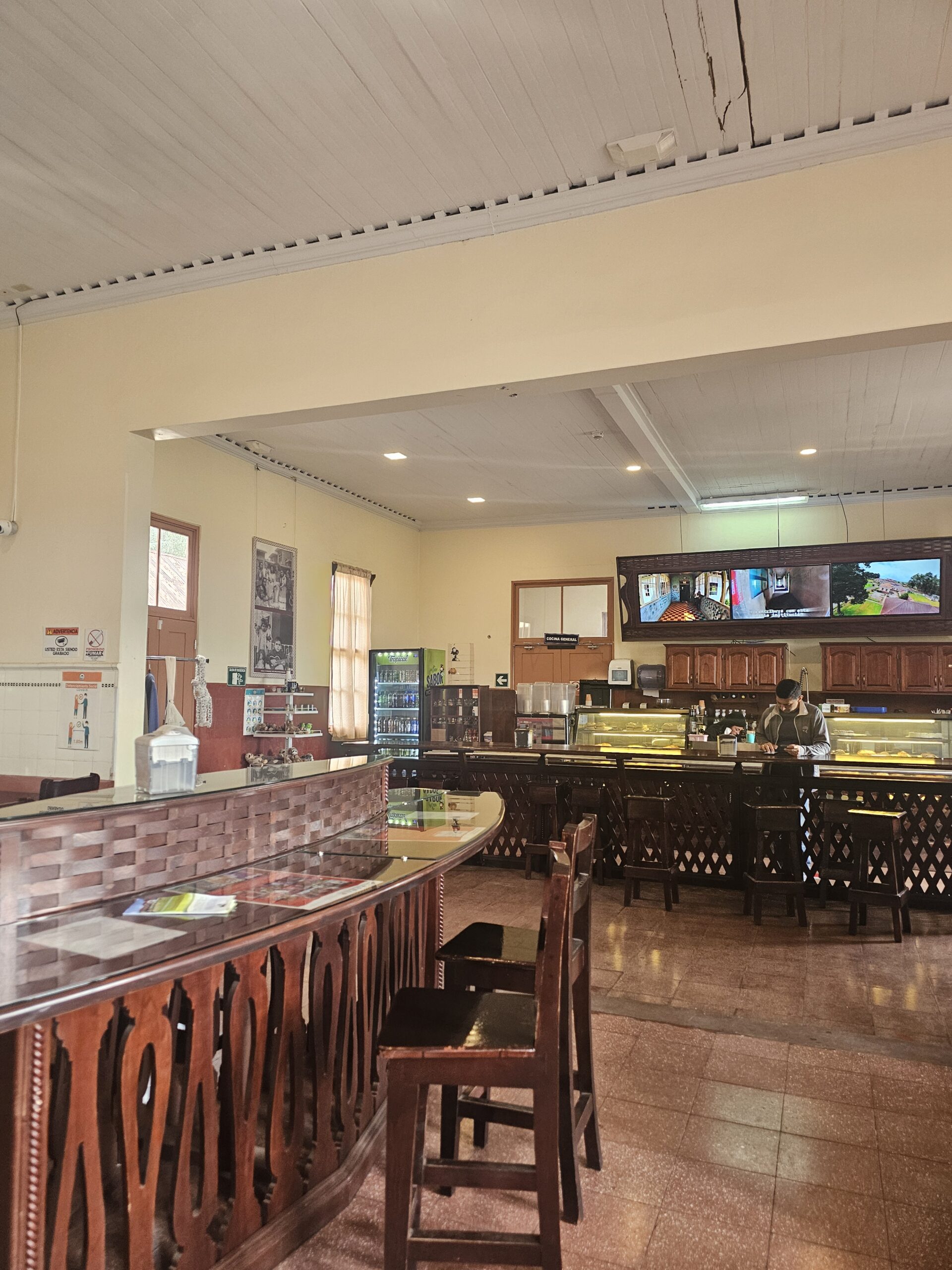
Today, the site is managed by UPA Nacional (Unión de Pequeños Productores Agropecuarios) and has found a new vocation as a recreational park and tourist destination. It is common to see whole families having picnics in the gardens where patients once took their sunbathing sessions, or touring the old kitchen and dining room, which were restored in 2019 and now function as a cafeteria. Life has bloomed again on its grounds, now devoted to the cultivation of vegetables, keeping alive that tradition of agricultural self-sufficiency that characterised the institution from its beginnings.
The True Spirit of the Place
At the end of the visit, when the afternoon mist begins to descend once more over Potrero Cerrado, what should endure is not the fear of the ghosts of a nun or a young girl. The true spirit of the Durán Sanatorium is that of solidarity and innovation. It is the stone-and-timber testimony of the vision of a father, Dr. Carlos Durán, who dreamed of a first-world hospital to save Costa Ricans, and of the hundreds of people who fought there for every breath. It is a monument to hope that, like the volcano that watches over it, continues to command respect in the heights of Cartago.