Strategic Infrastructure for Access to the Northern Caribbean
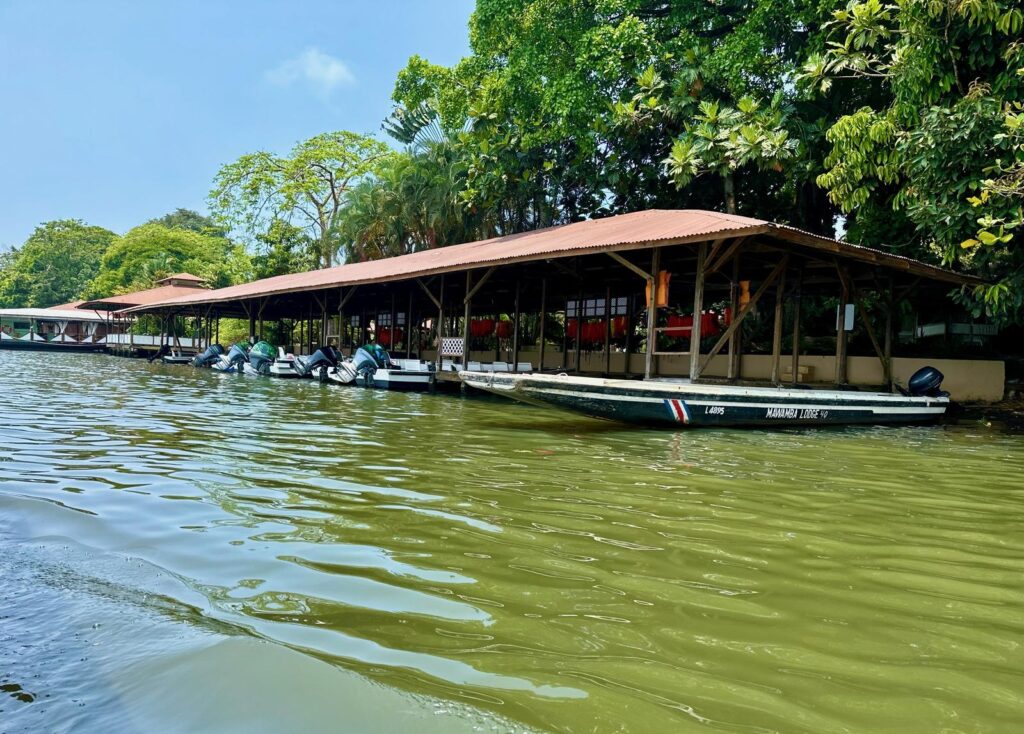
The La Pavona dock, the main river access point to Tortuguero, is progressing in its modernization process and will complete its first phase of construction in May. The project aims to improve safety, accessibility, and operational conditions for residents, tourists, and water transport operators who use this route in the country’s northern Caribbean region.
La Pavona is one of the most frequently used access points to reach Tortuguero National Park, one of Costa Rica’s most important environmental and tourist destinations.
Improvements in Infrastructure and Safety
The project includes improvements to port infrastructure, including safer boarding and disembarkation areas, as well as better conditions for the movement of people and goods. These enhancements aim to organize visitor flow and strengthen safety in an area that receives high tourist traffic throughout the year.
The intervention is part of broader institutional efforts to strengthen transportation infrastructure in strategic regions of the country.
Institutional Coordination and Regional Development
The development of this project involves interinstitutional coordination to ensure technical and safety standards. The Municipalidad de Pococí (Costa Rica) has participated in monitoring the project, given its relevance to the canton and its direct impact on the local economy.
Likewise, the Ministerio de Obras Públicas y Transportes (Costa Rica) holds responsibilities related to infrastructure and transport regulation, while the Instituto Costarricense de Turismo (Costa Rica) recognizes the importance of strengthening strategic access points to established tourist destinations.
Impact on Tourism and Local Economy
The modernization of the dock will help improve the experience of national and international visitors traveling to Tortuguero, facilitating transit and promoting more organized conditions for water transport.
Strengthening this infrastructure has a direct effect on the regional economy, benefiting tour operators, businesses, and communities that depend on the steady flow of visitors to the northern Caribbean.
With the completion of this first phase in May, the project represents an important step toward consolidating safe and functional infrastructure for one of the country’s most relevant tourist corridors.
Official Sources Consulted
• Municipalidad de Pococí (Costa Rica)
• Ministerio de Obras Públicas y Transportes (Costa Rica)
• Instituto Costarricense de Turismo (Costa Rica)