A project to expand access to electricity in rural areas
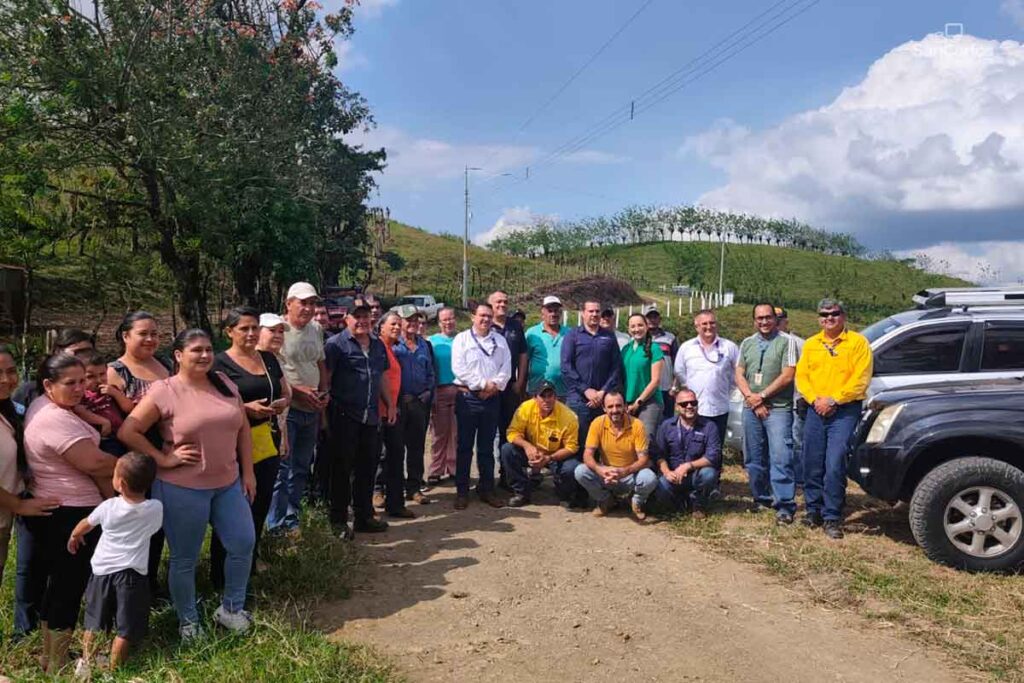
The Costa Rican Electricity Institute (ICE), together with the Rural Development Institute (INDER), is implementing an electrification project in the community of Venado de San Carlos, aimed at improving access to electrical power in rural areas and strengthening the living conditions of local residents.
The initiative is part of institutional efforts to reduce development gaps between urban and rural areas by promoting basic infrastructure that supports productive activities and improves social well-being.
Electrical infrastructure to improve quality of life
The project includes the expansion of electrical distribution networks and the installation of infrastructure that will provide electricity to households and local producers in the area.
This type of intervention seeks not only to ensure access to electricity but also to support local economic activities such as agriculture, livestock farming, and rural tourism, which are key sectors in the region of San Carlos.
The joint work between ICE and INDER is part of a national rural electrification strategy that has benefited multiple communities across the country.
Impact on local economic development
Rural electrification has a direct impact on productivity and quality of life in communities.
Access to electricity improves production processes, increases efficiency in agricultural activities, and enables the adoption of new technologies in small and medium-sized enterprises.
According to previous INDER reports, similar projects have helped boost local economies and create new development opportunities in rural territories.
A national rural electrification strategy
The Venado de San Carlos project is part of a broader set of initiatives led by ICE and INDER to bring electricity for the first time or improve existing services in remote communities.
In recent years, these institutions have developed projects in different regions of the country, including the installation of distribution lines and expansion of electricity coverage in rural territories.
For example, in 2025, projects were carried out benefiting communities in Limón with the construction of over 2,000 meters of electrical lines.
Electrification as a driver of social inclusion
Access to electricity is considered a key factor for social inclusion and human development.
It improves basic services such as lighting, communication, and refrigeration, while also enabling access to digital education and healthcare services in rural communities.
These projects also help reduce rural-to-urban migration by improving living conditions in local territories.
Institutional commitment to territorial development
Both ICE and INDER have reaffirmed their commitment to sustainable rural development through infrastructure projects focused on electricity, connectivity, and support for local production.
These actions are part of a broader state vision aimed at improving territorial equity and ensuring universal access to essential services.
Sources
- Costa Rican Electricity Institute (ICE) – Official press office
- Rural Development Institute (INDER)
- ICE Group – Electricity Generation Expansion Plan 2024–2040
- INDER Costa Rica – Rural electrification projects
- Original article published by Delfino.cr
- Ministry of Environment and Energy (MINAE)