Politics Beyond the Elites
For a long time, it was believed that nineteenth-century Costa Rica was the exclusive territory of the “Olimpos” (the coffee-growing elites). However, recent research by historians such as Iván Molina demonstrates that the electoral system of this period, although indirect, incorporated a much broader social base than previously thought. Peasants, artisans, and small merchants actively participated in first-degree voting.
1889: The Foundational Myth and Popular Civic Spirit
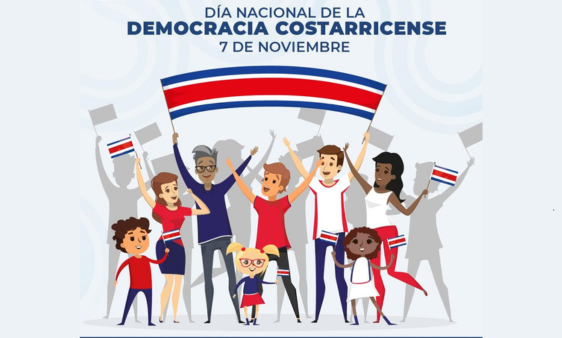
November 7, 1889, is a date engraved in the national identity. It was the moment when the people took to the streets to demand that the electoral victory of the opposition party (the Partido Constitucional Democrático) over the ruling party be respected. This event is considered a milestone because popular mobilization managed to prevent a possible dictatorship, consolidating the idea that power emanated from the will of the citizens and not from bayonets.
The Path Toward Direct Voting (1913)
As society became more complex, the indirect voting system (where the people elected “electors,” and these in turn elected the president) began to be seen as an obstacle to real democracy.
Reforms of Ricardo Jiménez Oreamuno: Under his leadership, the constitutional reform that ultimately established direct voting in 1913 was promoted.
The Electoral Roll: Analysis of the censuses of the time (such as that of 1892) reveals that the size of the electoral roll was significant compared to other countries in the region, suggesting that exclusion based on literacy or property was not as severe in practice as it was in the wording of the law.
Characteristics of the Period
Vulnerability to Fraud: Despite high participation, there was no independent electoral body, which allowed the manipulation of records and the “public vote” (voto cantado), facilitating coercion.
Transitory Parties: Political parties of this era tended to be personalist, emerging and disappearing with each electoral cycle, lacking permanent ideologies.
Ethnicity and Class: Unlike other Latin American nations, ethnicity was not a legal factor of exclusion in the electoral roll, allowing for the gradual integration of diverse social sectors into political life.
Sources consulted:
- Molina Jiménez, Iván. “Elections and democracy in Costa Rica, 1885–1913.”
- Molina Jiménez, Iván. “Demoperfectocracy. Pre-reform democracy in Costa Rica (1885–1948).”
- Estado de la Nación Report: “The long transition toward democracy in Costa Rica.”
- Supreme Electoral Tribunal (IFED): “Regarding the work Demoperfectocracia.”