Details of the recent volcanic activity
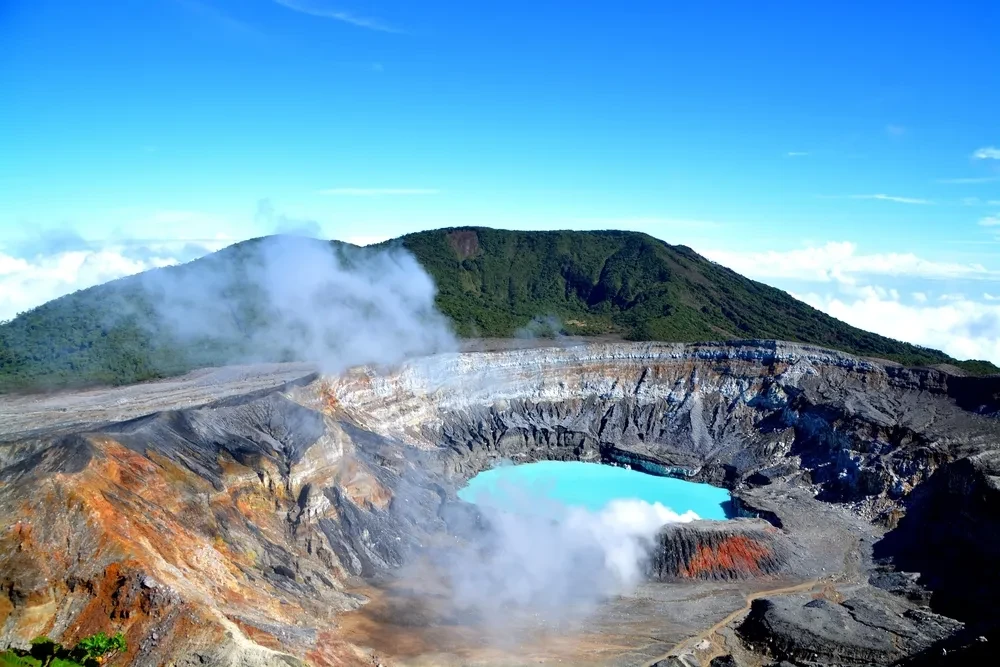
A volcanic eruption recorded on April 10, 2026, at Parque Nacional Volcán Poás caused significant changes to the crater’s morphology. According to the Observatorio Vulcanológico y Sismológico de Costa Rica (Ovsicori), a technical inspection revealed that a section of the southwestern inner crater wall collapsed, losing approximately 23 meters in height as a result of the eruptive activity. This highlights the volcano’s intense geological dynamism and the constant transformation of its internal structure.
The eruption occurred around 10:44 p.m., but monitoring equipment was unable to fully capture the height of the gas plume or additional parameters due to poor visibility at the time of the event.
What the crater wall collapse means
The loss of 23 meters from the inner crater wall is a clear indicator of the volcano’s internal processes. It may be linked to pressure release, structural weakening caused by volcanic gases and acidic fluids, or changes in the degassing system. These transformations are closely monitored by Ovsicori due to their importance for volcanic risk assessment and forecasting potential scenarios.
Current park status and safety measures
Access to Parque Nacional Volcán Poás remains restricted due to ongoing activity and hazardous conditions near the crater. Environmental and risk-management authorities maintain permanent technical surveillance and strongly advise the public to avoid unauthorized areas around the volcano.
Frequent activity in recent years has led to temporary closures and alerts to protect visitors from exposure to gases, ash, and phreatic explosions.
Geological significance of Poás Volcano
Volcán Poás is one of the most active volcanoes in Central America and features a large acidic crater lake, making it a major scientific and touristic point of interest. However, its high activity means conditions can change rapidly, affecting both the crater’s structure and visitor access.
Official and reference sources
• Ovsicori — technical monitoring and observations of the eruption and crater changes
• SINAC / Parque Nacional Volcán Poás — official information on park status and access restrictions
• National news coverage documenting the event and expert statements