Golfo Dulce, on Costa Rica’s southern Pacific coast, is at the heart of “Costa Rica: Cuna de Ballenas”, the first episode of a new season of El Planeta Azul, a nature documentary series produced by 7 Días de Teletica.
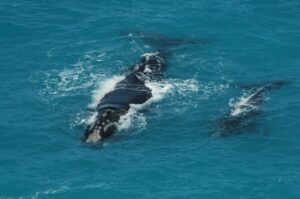
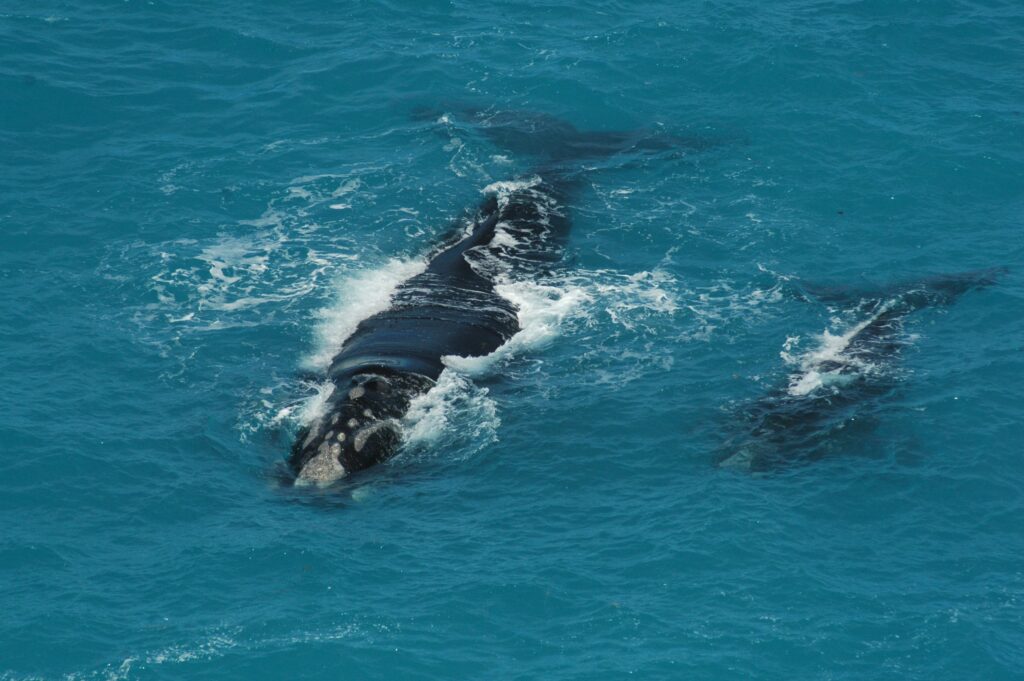
Released on August 19, 2026, the documentary follows humpback whales and their remarkable migrations from different parts of the world to the warm waters of Costa Rica, where they give birth and raise their calves. The production was filmed over three years in Golfo Dulce and Bahía Ballena.
Three Years Following the Whales
The production team spent several years documenting different stages of the whales’ reproductive cycle.
The footage follows the whales from their feeding grounds to tropical Costa Rican waters, as well as the birth, nursing and early development of their calves.
According to Teletica, some whales travel approximately 9,000 kilometers to reach these waters. Biologists, researchers and natural science specialists also participated in the project to review and validate the scientific information presented in the documentary.
Golfo Dulce: An Important Breeding Area
The documentary places particular emphasis on Golfo Dulce, one of the most important areas for humpback whales along Costa Rica’s Pacific coast.
The National System of Conservation Areas (SINAC) identifies Golfo Dulce as one of the areas where humpback whales can be observed. Its records indicate that populations from both the Northern and Southern Hemispheres use different parts of Costa Rica’s Pacific waters during their migrations.
The ecological importance of Golfo Dulce has also been recognized internationally. The Marine Mammal Protected Areas Task Force identifies the area as an Important Marine Mammal Area (IMMA) and highlights its importance as habitat for several cetacean species.
In particular, humpback whales from both the Northern and Southern Hemispheres have been documented in the area, including behaviors associated with reproduction and raising calves.
Two Populations Arriving From Different Hemispheres
One of the most interesting aspects of the documentary is the presence of whales from two distinct populations.
Humpback whales from the Northern Hemisphere reach the Costa Rican Pacific primarily during the boreal winter, while whales from the Southern Hemisphere arrive mainly during the austral winter.
Official SINAC material explains that Costa Rica receives populations from both hemispheres, making it possible to observe humpback whales during different periods of the year.
The national cetacean monitoring protocol also identifies Golfo Dulce as one of the areas in the Southern Pacific where humpback whales are observed.
Motherhood at the Heart of the Story
“Costa Rica: Cuna de Ballenas” uses motherhood as one of its main narrative themes.
The documentary shows the effort involved in gestation and the subsequent birth and care of calves. It also explores how young whales learn and develop during their first weeks of life.
The production presents these behaviors from a scientific perspective while also offering viewers a closer look at the relationship between mothers and their young.
The Song of the Humpback Whale
Another subject explored by the documentary is the characteristic song of humpback whales.
The production examines how these animals produce their vocalizations and explores the behavior of males, whose songs can change over different seasons.
The study of whale acoustics is also part of scientific research carried out in Golfo Dulce. The Costa Rican Cetacean Research Center (CEIC) lists acoustic and behavioral monitoring of the area’s breeding humpback whale population among its research objectives.
An Ecosystem of Major Marine Importance
Humpback whales are only one part of Golfo Dulce’s extraordinary marine biodiversity.
The Marine Mammal Protected Areas Task Force also documents resident populations of bottlenose dolphins and pantropical spotted dolphins, along with other marine mammal species.
The organization describes Golfo Dulce as a rare tropical fjord and highlights the diversity of habitats it provides for different cetacean species.
The CEIC likewise describes Golfo Dulce as a complex and unique ecosystem with important concentrations of marine predators and other species, including dolphins, sharks, humpback whales and sea turtles.
A Story About Conservation
Documenting the whales’ life cycle also helps explain why protecting their breeding grounds is important.
SINAC notes that humpback whales were historically affected by commercial whaling and that their populations declined significantly. Today, the species benefits from protection in different parts of its range.
Protecting the areas where whales reproduce and raise their young also means reducing potential disturbances associated with human activities at sea.
Scientific research in Golfo Dulce therefore plays an important role in understanding cetacean behavior and the possible effects of human activities on the marine ecosystem.
Nature and Science on Television
The return of El Planeta Azul also represents an effort to bring Costa Rica’s biodiversity closer to the public through audiovisual storytelling.
“Costa Rica: Cuna de Ballenas” was produced entirely by Teletica and combines high-definition and 4K footage with scientific research and fieldwork. The new season will follow a quarterly format, with documentaries dedicated to biodiversity and wildlife.
The first episode also revives the spirit of the original El Planeta Azul, remembered for its focus on Costa Rica’s natural world. The new season is dedicated to the memory of nature television pioneer Marco Picado.
Golfo Dulce as a Whale-Watching Destination
The ecological importance of the region has also contributed to the development of whale-watching tourism.
Golfo Dulce is part of a region where tourism operators offer excursions to observe whales and dolphins in their natural environment.
For nature tourism, the seasonal presence of these animals provides an opportunity to discover the area’s marine biodiversity, provided that whale-watching activities follow responsible practices designed to minimize disturbance.
A Window Into the Lives of Humpback Whales
“Costa Rica: Cuna de Ballenas” turns Golfo Dulce and Bahía Ballena into the setting for a story about migration, reproduction, motherhood and conservation.
Three years of filming have allowed the production team to document aspects of humpback whale behavior that would normally remain hidden from the public.
At the same time, the documentary highlights the importance of protecting the waters of Costa Rica’s Southern Pacific, where these remarkable travelers find suitable conditions to bring a new generation into the ocean.
Official and Scientific Sources
National System of Conservation Areas (SINAC): official information on humpback whales, their presence in Costa Rica and the areas where they are observed.
Ministry of Environment and Energy (MINAE) / SINAC: official information on cetacean protection, monitoring and conservation in Costa Rica.
Marine Mammal Protected Areas Task Force: scientific information on Golfo Dulce as an Important Marine Mammal Area (IMMA).
Costa Rican Cetacean Research Center (CEIC): information on research and monitoring of humpback whales and other cetaceans in Golfo Dulce.
Teletica / 7 Días: information about the documentary, its production process and the research behind Costa Rica: Cuna de Ballenas.