A scientific contribution positioning the country on the global biodiversity map
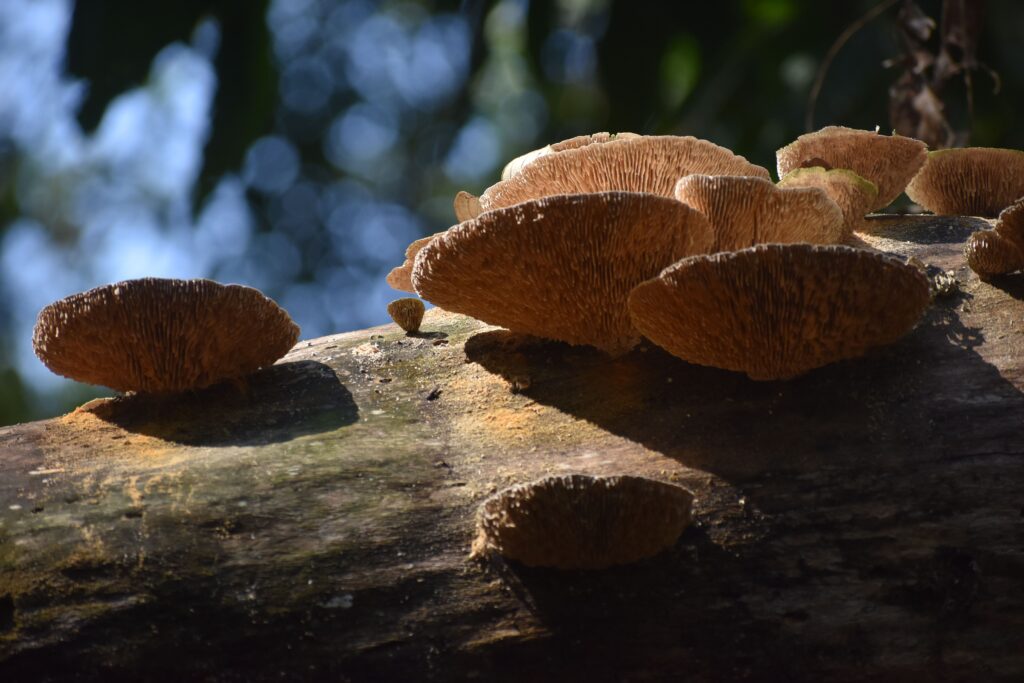
The University of Costa Rica (UCR) has developed a specialized fungal database that has positioned the country within an international biodiversity report. This scientific achievement highlights Costa Rica’s role as a reference in biological research and conservation, particularly in the study of fungi, one of the most diverse yet least understood groups of organisms.
The project is part of academic efforts to document, classify, and understand the country’s extraordinary biological richness, making Costa Rica one of the most biodiverse countries in the world.
The importance of fungi in ecosystems
Fungi play essential roles in ecosystems, even if they often go unnoticed. They are fundamental to processes such as organic matter decomposition, nutrient cycling, and soil formation.
They also form symbiotic relationships with plants through mycorrhizae, improving water and nutrient absorption. Without fungi, many terrestrial ecosystems would not function properly.
Key ecological roles include:
- Decomposition of organic matter
- Nutrient recycling in soils
- Symbiotic associations with plants
- Regulation of forest ecosystems
- Support for microbial biodiversity
A database organizing fungal biodiversity
The database developed by UCR compiles systematized information on fungal species found in Costa Rica, including scientific records, geographic distribution, and taxonomic classification.
Such tools help consolidate scattered information and provide easy access to key data for both national and international researchers.
It also contributes to identifying new, endemic, or poorly studied species, strengthening scientific knowledge of the country’s biodiversity.
Costa Rica as a natural biodiversity laboratory
Costa Rica is internationally recognized as a biodiversity hotspot due to its geographic location, variety of ecosystems, and long-standing conservation policies.
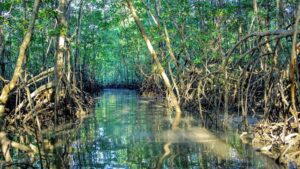
The country hosts tropical forests, mountains, coastal zones, and humid ecosystems that support thousands of plant and animal species, including a high diversity of fungi.
This context makes Costa Rica a natural laboratory for biological research.
Open science and access to knowledge
One of the most important aspects of this initiative is the promotion of open science, which allows data sharing with the global scientific community.
Biodiversity databases enable international collaboration, comparative studies, and evidence-based conservation policies.
This approach also supports the training of new researchers and strengthens local scientific capacity.
Impact on biodiversity conservation
Detailed knowledge of fungal species has direct implications for ecosystem conservation. Understanding which species exist, where they are found, and how they interact with their environment supports better environmental decision-making.
Key impacts include:
- Improved management of protected areas
- Identification of at-risk species
- Support for data-driven conservation policies
- Strengthening ecological research
- Better understanding of forest ecosystems
International recognition of academic work
The inclusion of this fungal database in a global biodiversity report reinforces international recognition of scientific work carried out in Costa Rica.
These achievements highlight the importance of investing in research and higher education, as well as the role of public universities in generating globally relevant knowledge.
Science, biodiversity, and a sustainable future
Studying and documenting fungi is not only academically valuable but also essential for the country’s sustainable future. Biodiversity is a key resource for ecosystem resilience in the face of climate change and environmental challenges.
Strengthening scientific knowledge supports more informed and sustainable natural resource management.
Official sources consulted
University of Costa Rica (UCR) – Biodiversity and Ecology Research Centers
National System of Conservation Areas (SINAC)
Ministry of Environment and Energy of Costa Rica (MINAE)
Global Biodiversity Information Facility (GBIF)
Intergovernmental Science-Policy Platform on Biodiversity and Ecosystem Services (IPBES)
UNESCO – Biodiversity and ecosystem services programs