A discipline returning after four years of absence
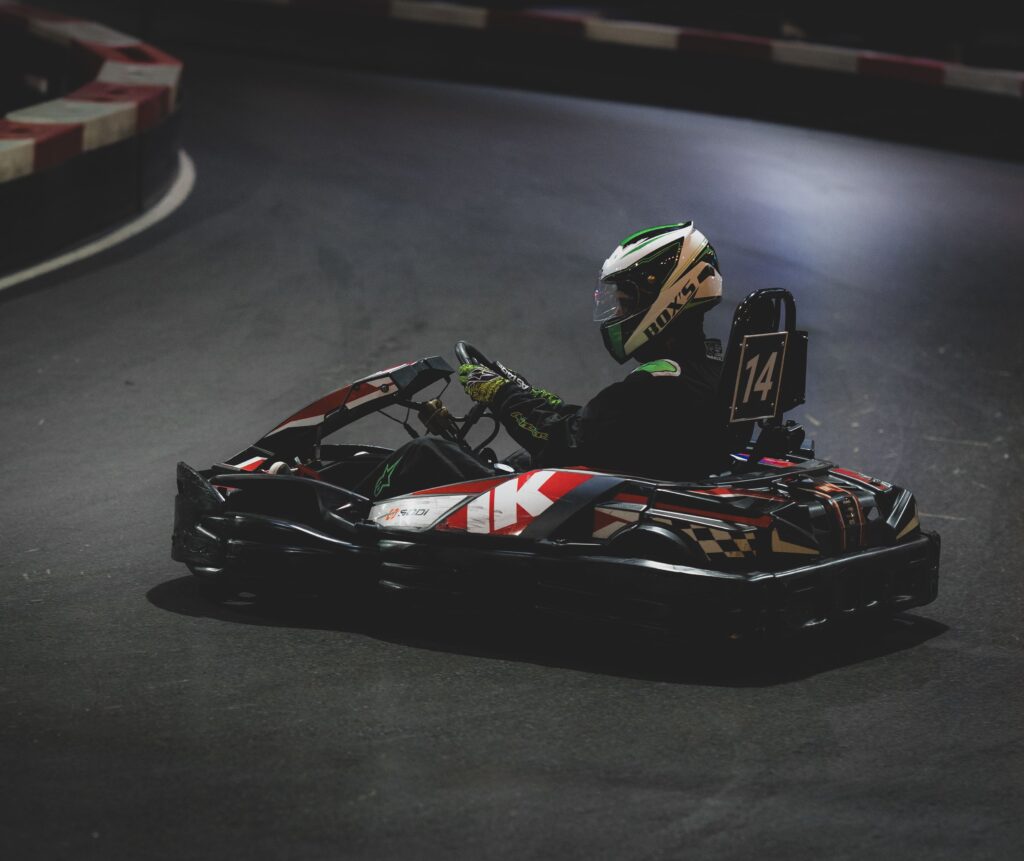
Endurance karting has returned to Costa Rica after a four-year hiatus, marking a renewed boost for national motorsport. This format of competition combines strategy, teamwork, and both mechanical and human endurance.
Unlike traditional sprint kart races, endurance events involve longer durations where multiple drivers share the same kart through organized driver changes, requiring constant coordination and planning.
What endurance karting is and how it works
Endurance karting is a motorsport discipline in which teams compete over extended periods, ranging from several hours to half-day events or longer.
Unlike sprint racing, the focus is not only on speed but also on consistency, pit strategy, and efficient management of mechanical wear.
Key features include:
- Teams composed of multiple drivers per kart
- Scheduled driver rotations during the race
- Tire and mechanical wear management
- Strategic pit stops and timing decisions
- Distance-based competition format
A boost for Costa Rican motorsport
The return of endurance racing represents an important opportunity for the development of motorsport in Costa Rica, especially at entry-level and semi-professional categories.
These events help strengthen karting culture, which has traditionally served as one of the main entry points into competitive motorsport.
They also allow emerging drivers to gain experience under more demanding race conditions, where strategy and endurance are as important as speed.
Driver training and talent development
Karting is internationally recognized as the foundation of professional motorsport. Many Formula 1 drivers and international racers began their careers in karting.
In Costa Rica, endurance racing provides an ideal environment to develop key skills such as:
- Vehicle control under varying conditions
- Teamwork under pressure
- Mechanical wear management
- Strategic decision-making during races
- Physical and mental endurance
This type of competition contributes to raising the technical level of national drivers.
Impact on the motorsport community
The return of endurance karting also positively impacts the broader motorsport community, including teams, mechanics, organizers, and fans.
Endurance events increase collective participation since they involve multiple drivers per team and require more complex organizational structures.
This fosters collaboration among different actors in the sport and strengthens the competitive ecosystem.
Infrastructure and motorsport growth
The development of endurance karting is closely linked to improved infrastructure and the consolidation of suitable racing circuits for long-duration events.
The growth of motorsport in the country depends on factors such as:
- Access to adequate racing tracks
- Clear sporting regulations
- Support from federations and organizations
- Technical training for drivers and teams
- Investment in safety and maintenance
The return of this discipline may encourage new investment in the sector.
A step forward in the evolution of national karting
The revival of endurance karting reflects a broader trend of growth and diversification in Costa Rica’s motorsport landscape.
Beyond competition, these events promote values such as discipline, strategy, teamwork, and consistency—key elements in the development of any motorsport discipline.
Official sources consulted
Costa Rican Federation of Motorsports (FECOM)
Fédération Internationale de l’Automobile (FIA) – Karting regulations
Commission Internationale de Karting (CIK-FIA)
Costa Rican Institute of Sport and Recreation (ICODER)
Official karting circuits and organizers in Costa Rica
Ministry of Public Works and Transport (MOPT) – safety regulations related to motorsport