
Context of the legislative decision
The Legislative Assembly of Costa Rica has approved an agreement authorizing the Refinadora Costarricense de Petróleo (Recope) to expand its scope of action to include the development and operation of projects related to green hydrogen and biofuels. This measure is part of national efforts aimed at the energy transition and the gradual reduction of dependence on fossil fuels.
This change reflects an international trend in which state-owned energy companies are being adapted to integrate cleaner technologies and move toward more sustainable energy models.
What this new authorization means for Recope
With this decision, Recope is no longer limited exclusively to its historical role in the importation, refining, and distribution of petroleum-based fuels. Under this expanded framework, the institution will be able to explore, develop, and implement projects related to alternative energy sources.
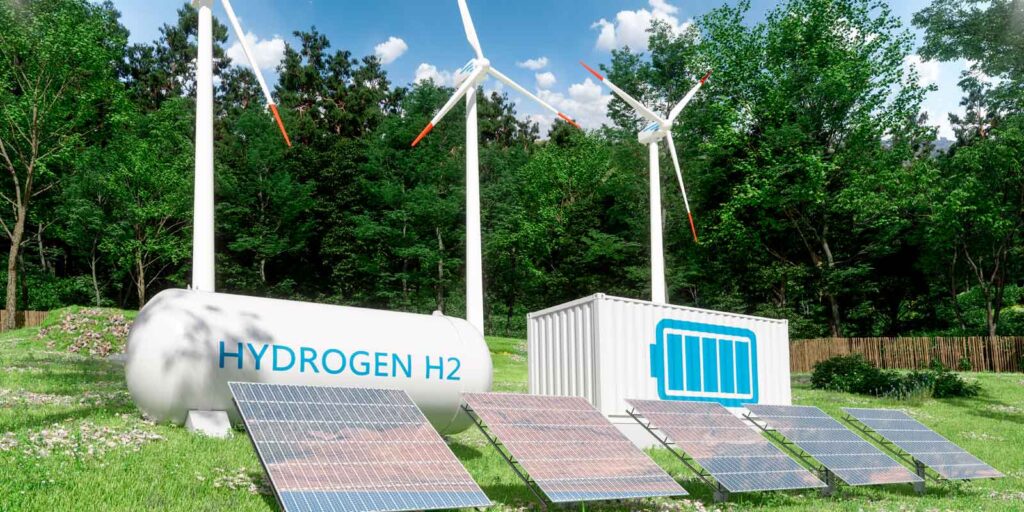
Green hydrogen, produced through electrolysis using renewable energy, is considered one of the most promising options for decarbonizing hard-to-electrify sectors. Biofuels, on the other hand, are derived from organic matter and waste and can be integrated into transport and industry as partial substitutes for fossil fuels.
This opening aims to allow the State to play a more active role in the development of new energy technologies.
Impact on the country’s energy transition
Costa Rica is internationally recognized for its renewable-based electricity matrix; however, the transport sector still relies heavily on fossil fuels. In this context, the integration of technologies such as green hydrogen and biofuels represents an opportunity for a structural transformation of the energy system.
Expected impacts include energy diversification, potential reductions in emissions, increased technological innovation, and the attraction of investment in clean energy projects.
However, the implementation of these solutions requires time, specialized infrastructure, and a solid regulatory framework to ensure sustainable development.
Relationship with the national decarbonization strategy
This decision aligns with the objectives of Costa Rica’s National Decarbonization Strategy, which aims to progressively reduce greenhouse gas emissions and transition toward a low-carbon economy.
Green hydrogen is considered particularly relevant for hard-to-electrify sectors such as heavy transport and certain industrial processes, where direct electric alternatives still face limitations.
In this sense, Recope could take on an expanded role within the national energy system, participating not only in fossil fuel management but also in the development of alternative energy solutions.
Challenges for implementation
Although the legal framework opens new possibilities, its effective implementation depends on multiple factors. These include the development of technical regulations, the creation of adequate infrastructure, the availability of public and private investment, and the training of specialized capabilities.
It will also be essential to assess the economic viability of these projects in the national context, as well as coordination between public institutions, the private sector, and international organizations.
The progress of these initiatives will determine the real pace of integration of these technologies into the country’s energy matrix.
Official informational sources consulted
Legislative Assembly of Costa Rica
Refinadora Costarricense de Petróleo (Recope)
Ministry of Environment and Energy (MINAE)
Presidency of the Republic of Costa Rica
National Printing Office of Costa Rica – La Gaceta